Runway Fashion Trends Moving Into Everyday Wardrobes
How to decode theatrical catwalk presentations from Milan, Paris, London, and New York and adapt their proportions for real-world dressing.

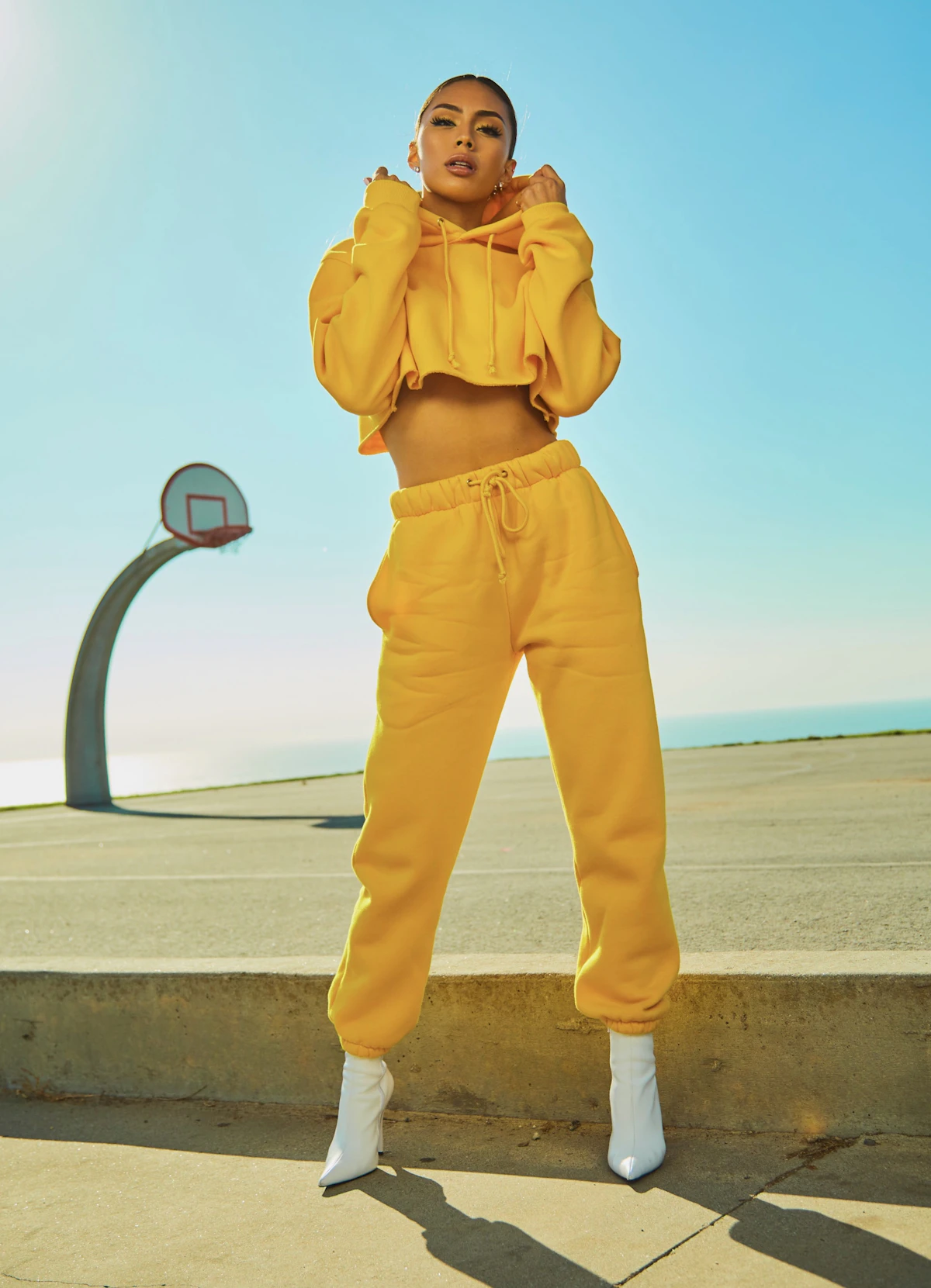
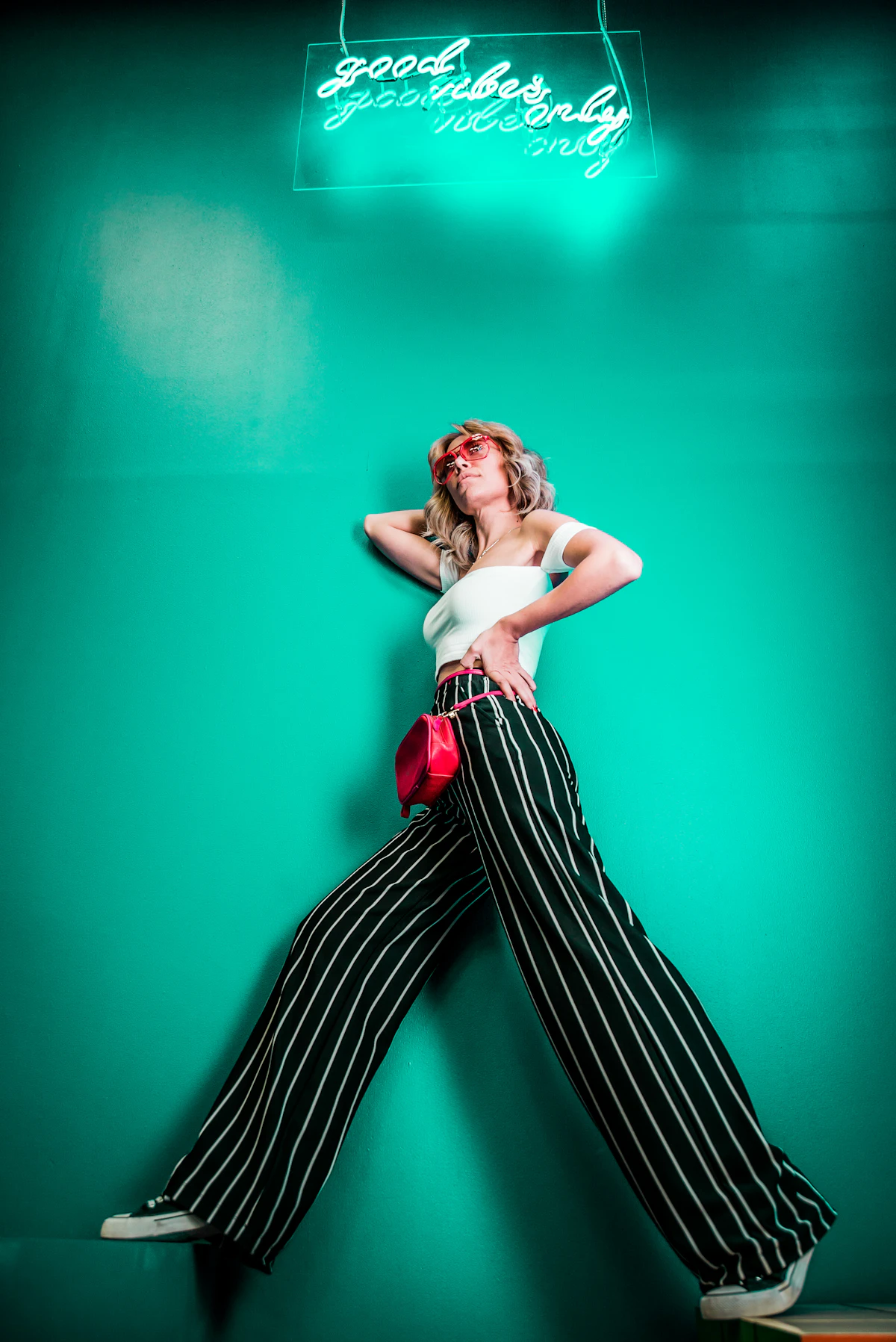
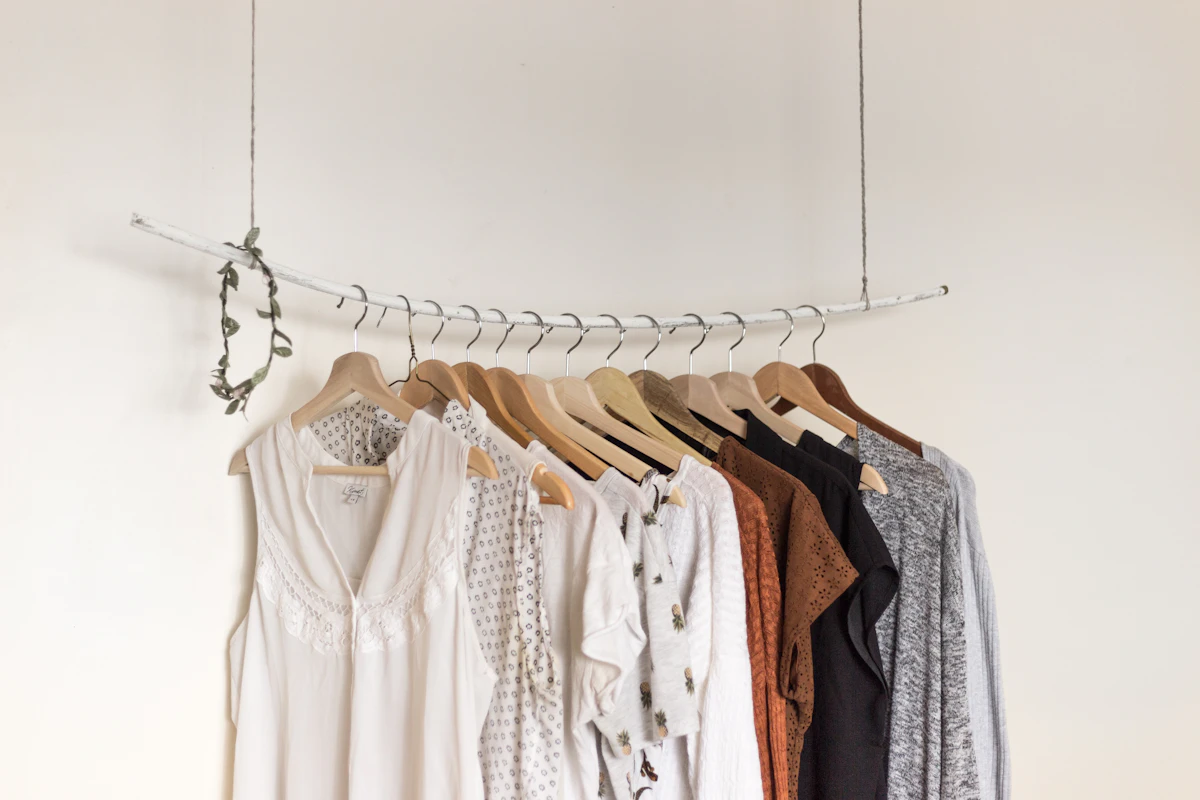
A runway show is a ten-minute exercise in concentrated storytelling. Under theatrical lighting in Paris, Milan, London, or New York, creative directors amplify proportions, layer unexpected garments, and send models down the catwalk in exaggerated silhouettes designed to capture the imagination of editors and buyers. To the casual observer, a floor-sweeping cape layered over sheer organza trousers might seem completely divorced from Tuesday morning reality. Yet beneath the theatrical styling of every major collection lies a blueprint of wearable ideas—color combinations, waist placements, collar shapes, and textile pairings—waiting to be decoded for everyday life.
Learning how to translate runway fashion into a functional wardrobe is one of the most empowering skills a style enthusiast can cultivate. Here is how the season’s most influential catwalk concepts are moving seamlessly into real-world closets.
1. Translating Exaggerated Proportions into the 80/20 Rule
On the runway, volume is often dialed to maximum: an extra-wide shoulder is paired with balloon-leg trousers and platform boots to create a dramatic silhouette from fifty feet away. In everyday environments, however, wearing head-to-toe extreme volume can overwhelm your frame and feel impractical in transit.
The Editorial Filtering Method
To bring runway proportions into your daily rotation, apply the 80/20 Balance Rule: let one hero garment carry the sculptural runway volume (the 20%), while keeping the remaining 80% of your outfit grounded in clean, classic lines.
- Runway Concept: Cocoon-shaped wool coats worn over voluminous pleated maxi skirts.
- Everyday Translation: Pair a sculptural cocoon coat with slim straight-leg dark denim or cigarette trousers and sleek ankle boots so your silhouette stays sharp and agile.
- Runway Concept: Ultra-slouchy, puddle-hem wide-leg trousers paired with oversized tunics.
- Everyday Translation: Tailor wide-leg pleated trousers so they graze the top of your shoe without dragging on the pavement, and balance them with a fitted fine-ribbed turtleneck or tucked-in poplin shirt.
For a broader overview of which silhouettes are leading this shift, explore our feature on the top fashion trends defining the current scene.
2. Sheer and Translucent Layering Made Practical
Sheer organza, fine silk chiffon, and open-weave mesh have appeared across nearly every major ready-to-wear presentation over the past two years. While the catwalk often presents these fabrics bare for visual shock value, their real-world value lies in lightweight, dimensional layering.
How to Wear Translucent Fabrics in Real Life
- Under Tailored Suiting: Wear a high-neck sheer mesh or silk organza blouse underneath a structured wool blazer or a sleeveless tailored vest. Only the sleeves and neckline remain subtly translucent, adding breathability and modern texture without sacrificing coverage.
- Over Opaque Foundations: Layer a sheer organza midi skirt over a fitted knee-length knit dress or even over slim tailored trousers to capture the runway’s architectural depth.
- Tone-on-Tone Matching: Keep camisoles and base layers in the exact same color family—such as deep espresso, charcoal, or plum—as the sheer outer piece for an intentional, cohesive finish.
3. Runway to Reality: The Translation Matrix
When reviewing collections in the Fashion Trends category, use this reference table to filter catwalk theatre into wearable daily outfits:
| Runway Presentation | Core Design Signal | Real-World Wardrobe Equivalent | Ideal Setting |
|---|---|---|---|
| Micro-Shorts with Opera Coats | Contrast between long outerwear and leg line | Knee-length tailored Bermuda shorts or a structured mini skirt with opaque tights and a trench | Creative office or weekend gallery visit |
| Head-to-Toe Leather Suiting | Tactile sheen and structured weight | A single supple leather blazer or A-line midi skirt paired with soft merino knitwear | Dinner dates and transitional autumn days |
| Dramatic Cape Silhouettes | Fluid movement around the shoulders | Scarf-coat hybrids or draping a heavyweight cashmere wrap asymmetrically over a blazer | Evening events and chilly morning commutes |
| Utility Pockets & Belted Corsetry | Waist definition with functional hardware | Safari-style belted linen-wool jackets or cinching an oversized blazer with a leather belt | Smart-casual workdays and travel |
If your focus is adapting these tailored concepts specifically for professional settings, read our comprehensive guide on how to build a versatile workwear wardrobe.
4. Color Blocking Borrowed Straight from the Catwalk
Perhaps the easiest—and completely free—way to bring runway authority into your closet is to adopt catwalk color theory. Design houses spend months testing textile dye lots to discover unexpected shade pairings that vibrate with visual sophistication. You do not need to purchase a designer garment to replicate the exact chromatic harmony shown in Milan or Paris.
Three Runway Color Formulas to Try Right Now
- Aubergine + Warm Ochre: Pair a deep plum knit sweater with tobacco-gold trousers or camel suede accessories for a rich, autumnal warmth.
- Olive Slate + Powder Blue: Soften utilitarian olive green cargos or trench coats with a crisp icy-blue poplin button-down shirt.
- Espresso Brown + Cobalt or Ruby: Use deep chocolate brown as your grounding neutral and introduce a single saturated pop via a silk scarf, sock, or structured handbag.
You can explore the complete breakdown of these emerging palettes in our fashion forecast on colours and styles to watch.
5. Footwear and Accessory Micro-Shifts
Often, the bridge between a standard outfit and a runway-informed look comes down to how accessories are positioned:
- Glove and Cuff Styling: Longer leather gloves scrunched at the wrist with three-quarter-sleeve coats.
- Double Belting: Looping two slim leather belts in complementary tones through wide trouser loops.
- Brooches and Sculptural Pins: Pinning a geometric silver or brushed-gold brooch onto the lapel of a coat or using it to gather the waist of a cardigan.
To see how fashion week attendees test these exact details outside the shows, visit our roundup of street style trends worth trying this season.
Conclusion: Becoming Your Own Creative Director
The runway was never meant to be copied verbatim; it is an open-source visual language meant to spark creativity. Next time you browse collection lookbooks, train your eye to look past the theatrical hair, lighting, and extreme styling. Notice the angle of a lapel, the harmony between two unexpected colors, or the way a crisp shirt collar peeks out from beneath a chunky knit—and bring that editorial spirit straight into your everyday wardrobe.
Tanisha
Tanisha is the Senior Fashion & Beauty Editor at The Fashion Edit. With over eight years of experience in fashion journalism, runway critique, and textile curation, she specializes in translating directional couture concepts into wearable everyday silhouettes. Her coverage spans women’s wardrobe architecture, modern Indian and global ethnic craftsmanship, dermatology-informed skincare routines, and fine jewellery styling.
Related Fashion Stories
Top Fashion Trends That Are Defining the Current Fashion Scene
An editorial breakdown of the architectural tailoring, tactile knitwear, and rich color harmonies shaping the modern fashion landscape.

How Celebrity Fashion Influences Everyday Style
An inside look at how red-carpet archival revivals, airport uniforms, and stylist collaborations trickle down into everyday capsule wardrobes.
Fashion Forecast: Colours and Styles to Watch
A forward-looking guide to the emerging color stories—from deep royal plum and tobacco ochre to olive slate—plus the silhouettes set to dominate next season.