Top Fashion Trends That Are Defining the Current Fashion Scene
An editorial breakdown of the architectural tailoring, tactile knitwear, and rich color harmonies shaping the modern fashion landscape.

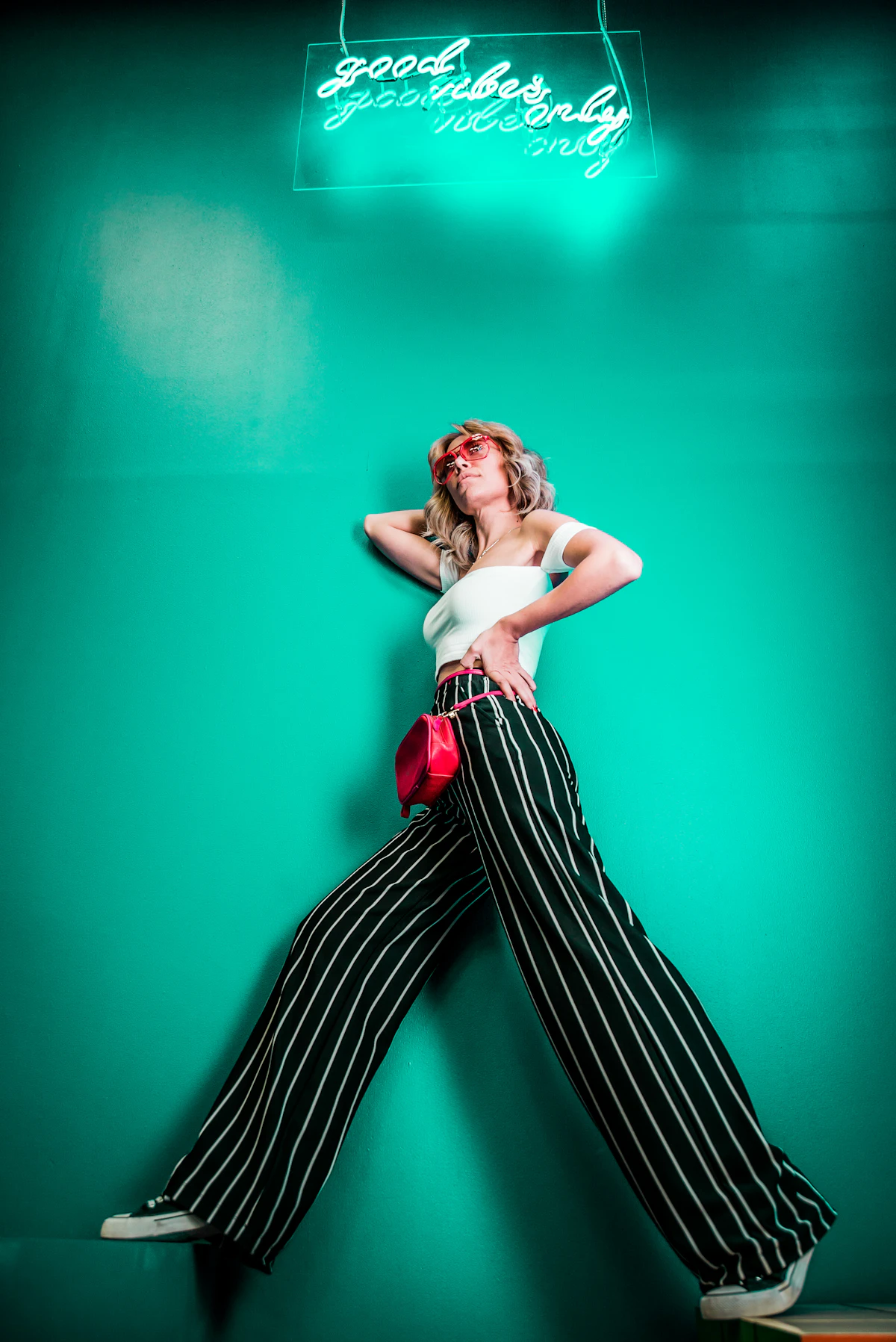
The contemporary fashion landscape has moved decisively past fleeting micro-aesthetics, settling into a period defined by tactile craftsmanship, intentional proportion play, and deeply saturated color harmonies. Across international design capitals and urban streets alike, the prevailing mood balances structural precision with fluid comfort. Rather than chasing novelty for its own sake, today’s most compelling silhouettes reimagine foundational wardrobe pieces—blazers, trench coats, pleated trousers, and fine-gauge knits—through the lens of architectural volume and heritage textile engineering.
At The Fashion Edit, we look closely at how seasonal movements translate from creative direction into enduring personal style. Whether you are refining a daily professional uniform or looking to introduce fresh visual tension into your off-duty rotation, understanding the structural pillars of the current fashion scene allows you to dress with clarity and authority.
1. Architectural Tailoring with Fluid Movement
For several seasons, suiting oscillated between hyper-oversized nineties boxy cuts and rigid, corset-inspired waists. The current movement synthesizes these two extremes into what tailors call “soft architecture.” Shoulders remain clearly defined—often extended slightly past the natural acromion bone with lightweight canvas roping—while the torso skims the body before flaring gently at the hip or pooling into wide-leg trousers.
Key Elements of Modern Suiting
- Double-Breasted Peak Lapels: Positioned slightly lower on the torso to elongate the neckline and frame layered shirting or high-neck knitwear.
- Double-Pleated Trousers: Forward-facing or reverse deep pleats that create dynamic movement when walking while sitting cleanly against the waist.
- Unlined and Half-Lined Construction: Replacing heavy synthetic linings with breathable cupro or self-faced wool interiors so jackets drape like cardigans rather than armor.
- Collarless and Shawl Variations: Clean necklines that transition effortlessly from daytime meetings to evening gatherings.
If you are building a foundational closet around these silhouettes, explore our companion guide on essential wardrobe pieces every woman should own to see how one well-proportioned blazer anchors dozens of outfits.
2. Tactile Contrast: Mixing Surface Textures
Visual depth in contemporary dressing comes just as much from surface friction as it does from cut. Monochromatic and tonal outfits dominate the Fashion Trends conversation precisely because designers are pairing matte, brushed, and high-sheen textiles within a single look. When color stays within a tight family, the eye immediately registers the interplay of grain and weave.
How to Layer Textures Like an Editor
- Start with a Crisp Base: Use high-twist cotton poplin, lightweight silk crepe, or fine merino wool directly against the skin to establish clean edges at the collar and cuffs.
- Introduce a Brushed Mid-Layer: Ribbed cashmere vests, boiled wool cardigans, or suede overshirts add warmth and absorb light, grounding the look.
- Finish with Structured Outerwear or Leather: Smooth full-grain leather belts, structured calfskin bags, or tightly woven gabardine coats provide a sleek counterpoint that keeps brushed knits from appearing overly casual.
3. The New Color Authority: Deep Plum, Ochre, and Slate
Neutral minimalism—long dominated by stark white, cool grey, and camel—has evolved into a richer, pigment-dense palette. Deep royal plum, aubergine, warm tobacco-ochre, espresso brown, and olive slate now function as the new neutrals. These shades carry the versatility of black and navy while flattering a much broader spectrum of skin undertones under natural daylight.
| Trend Pillar | Core Silhouette | Primary Textiles | Best Color Pairings | Everyday Styling Application |
|---|---|---|---|---|
| Soft Architecture | Hourglass blazer + wide-leg trouser | Barathea wool, heavy crepe, flannel | Deep plum with warm ivory | Pair with leather loafers and a structured tote for work |
| Sculptural Drapery | Asymmetric cowl top + column skirt | Silk jersey, viscose twill, cupro | Tobacco gold with espresso brown | Anchor with minimal geometric gold jewelry for dinner |
| Utilitarian Polish | Belted trench + straight selvedge denim | Cotton gabardine, waxed canvas | Olive slate with heather grey | Layer over a crisp poplin shirt for weekend errands |
| Artisanal Knitwear | Heavy cable crewneck + fluid midi skirt | Brushed mohair, unbleached merino | Oatmeal cream with burgundy | Tuck the front hem slightly to define the natural waist |
For a deeper examination of upcoming chromatic shifts and fabric weights, read our full fashion forecast on colours and styles to watch.
4. Sculptural Drapery and Bias-Cut Proportions
Alongside sharp tailoring, fluid drapery has returned as a centerpiece of both daywear and eveningwear. Drawing inspiration from classical grecian folds and 1930s bias-cut engineering, dresses and blouses feature built-in twists, asymmetric gathers at the collarbone, and scarves integrated directly into the neckline.
Styling Fluid Pieces Without Losing Structure
The secret to wearing draped garments in everyday environments lies in juxtaposition. When a blouse or dress features liquid movement, pair it with accessories that possess unmistakable geometry:
- Footwear: Choose square-toe ankle boots, architectural slingbacks, or heavy-soled penny loafers rather than delicate, overly ornate sandals.
- Outerwear: Throw a boxy leather jacket or a sharp-shouldered wool coat over a bias-cut slip dress to temper its evening connotations for daytime wear.
- Belts: Use a wide, sculptural leather belt with a brushed brass buckle to cinch fluid knit dresses at the natural waist.
You can see how these catwalk techniques are adapted for daily wear in our analysis of runway fashion trends moving into everyday wardrobes.
5. Elevated Utilitarian Outerwear
Outerwear is no longer treated merely as a protective shell discarded indoors; it is the defining focal point of the outfit. Floor-grazing trench coats with exaggerated storm flaps, funnel-neck wool car coats, and chore jackets cut in luxurious cashmere blends lead the street style trends worth trying this season.
Proportion Rules for Longline Coats
- The Rule of Thirds: Ensure your outerwear either hits cleanly at the hip bone (one-third of your height) or extends well below the knee (two-thirds of your height). Mid-thigh lengths often bisect the leg at an awkward visual point unless worn with slim trousers.
- Collar Framing: Turn up funnel collars or button storm tabs across the throat to create an instant frame for statement earrings and sleek hair.
- Cuff Turnbacks: Roll or cinch oversized coat sleeves slightly so a sliver of your shirt cuff or knitwear peeks through, signaling intentional styling.
Conclusion: Curating Trends with Permanence
The most compelling aspect of the current fashion scene is its respect for longevity. By focusing on architectural tailoring, rich pigment combinations like deep plum and tobacco gold, and tactile fabric pairings, these trends invite you to shop your own wardrobe first and invest selectively. Rather than replacing your closet each quarter, adopt one or two silhouette shifts—such as swapping slim pants for pleated wide-leg trousers or trading black outerwear for deep espresso or aubergine—to keep your personal style sharp, modern, and unmistakably your own.
Tanisha
Tanisha is the Senior Fashion & Beauty Editor at The Fashion Edit. With over eight years of experience in fashion journalism, runway critique, and textile curation, she specializes in translating directional couture concepts into wearable everyday silhouettes. Her coverage spans women’s wardrobe architecture, modern Indian and global ethnic craftsmanship, dermatology-informed skincare routines, and fine jewellery styling.
Related Fashion Stories
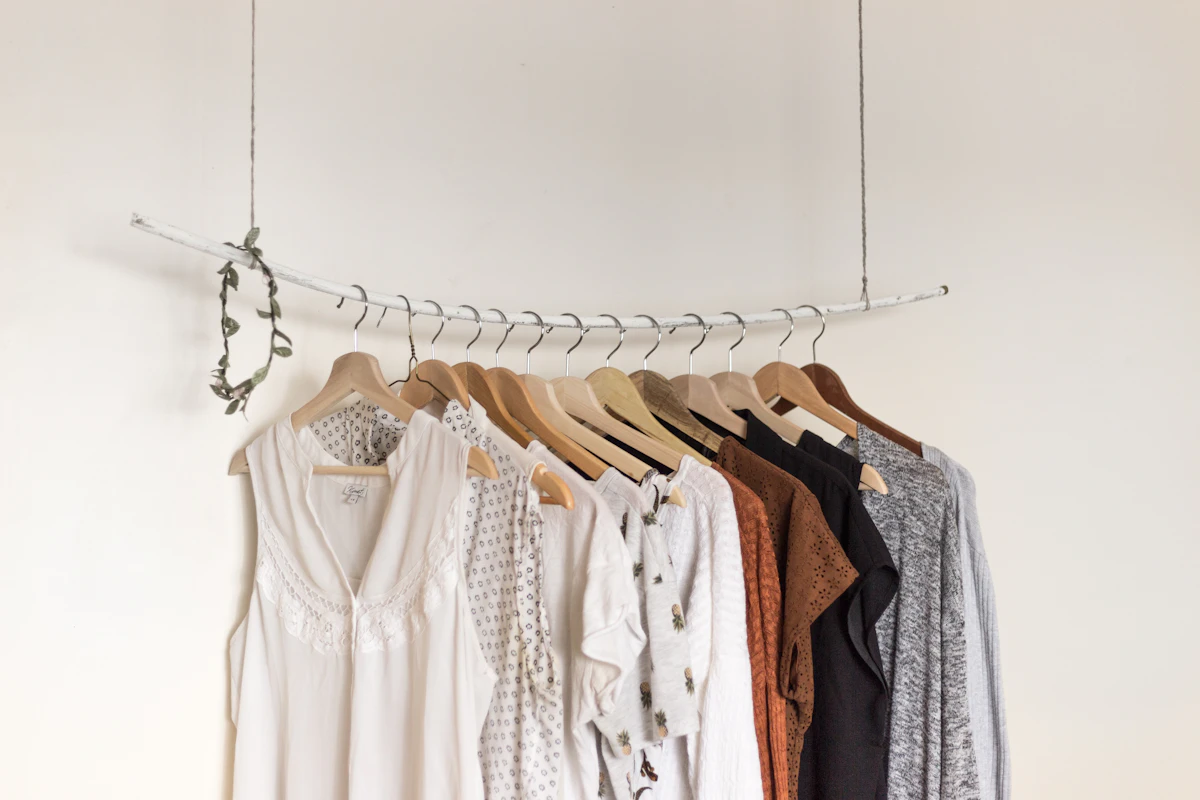
Fashion Forecast: Colours and Styles to Watch
A forward-looking guide to the emerging color stories—from deep royal plum and tobacco ochre to olive slate—plus the silhouettes set to dominate next season.
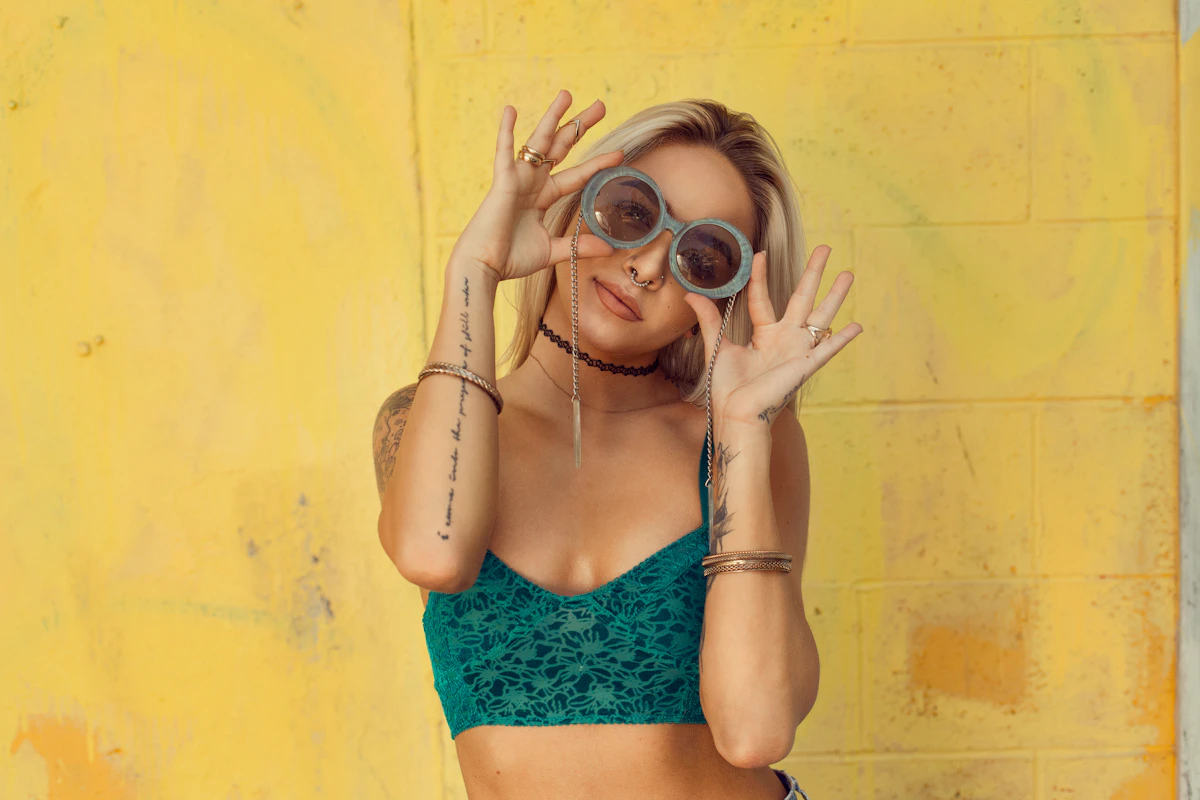
How Celebrity Fashion Influences Everyday Style
An inside look at how red-carpet archival revivals, airport uniforms, and stylist collaborations trickle down into everyday capsule wardrobes.
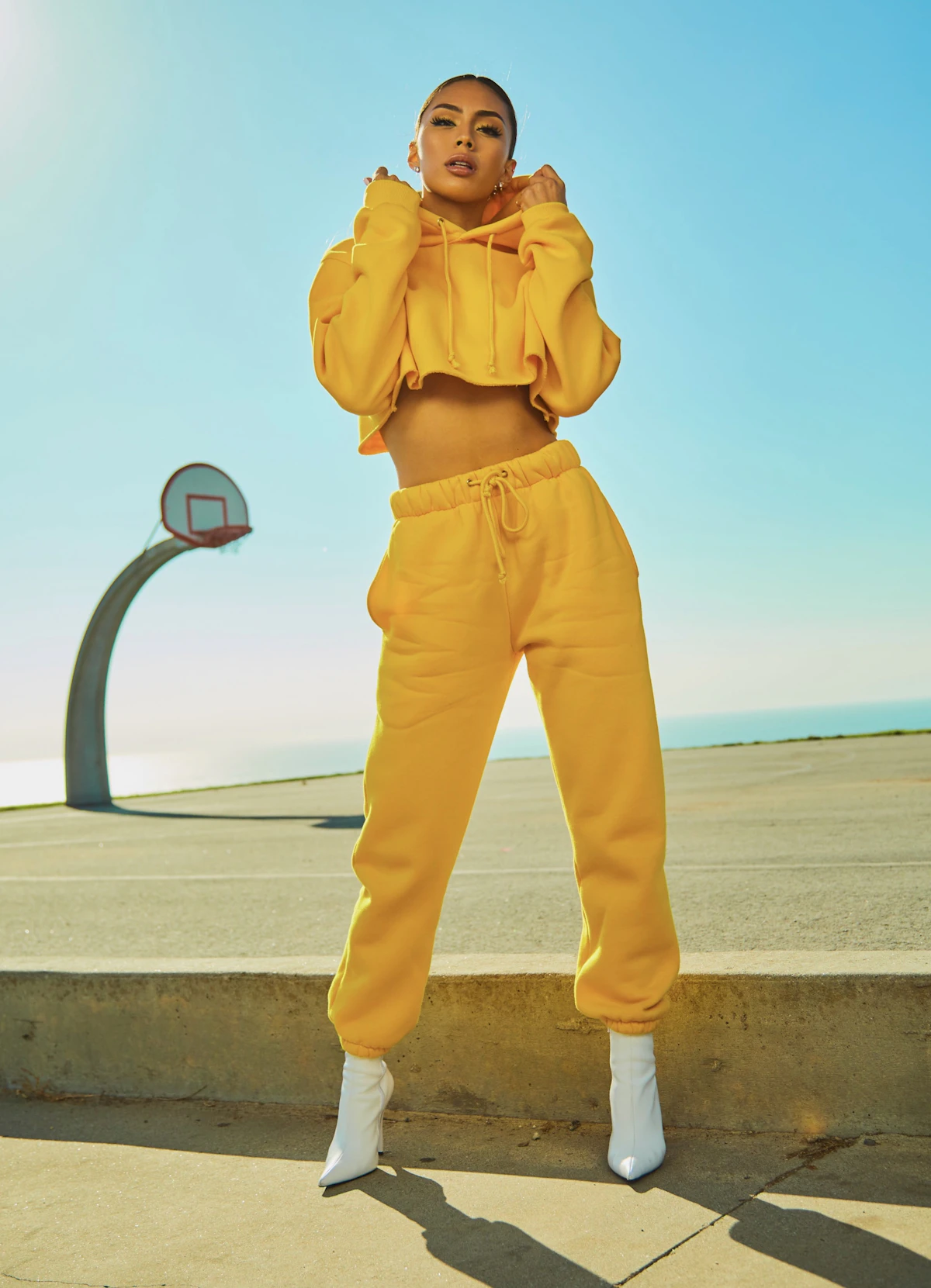
Runway Fashion Trends Moving Into Everyday Wardrobes
How to decode theatrical catwalk presentations from Milan, Paris, London, and New York and adapt their proportions for real-world dressing.