How to Shop Smart Without Overspending
Master the cost-per-wear equation, seam-and-fabric inspection checklists, and wishlist cooling periods to build a luxury-grade wardrobe on a realistic budget.

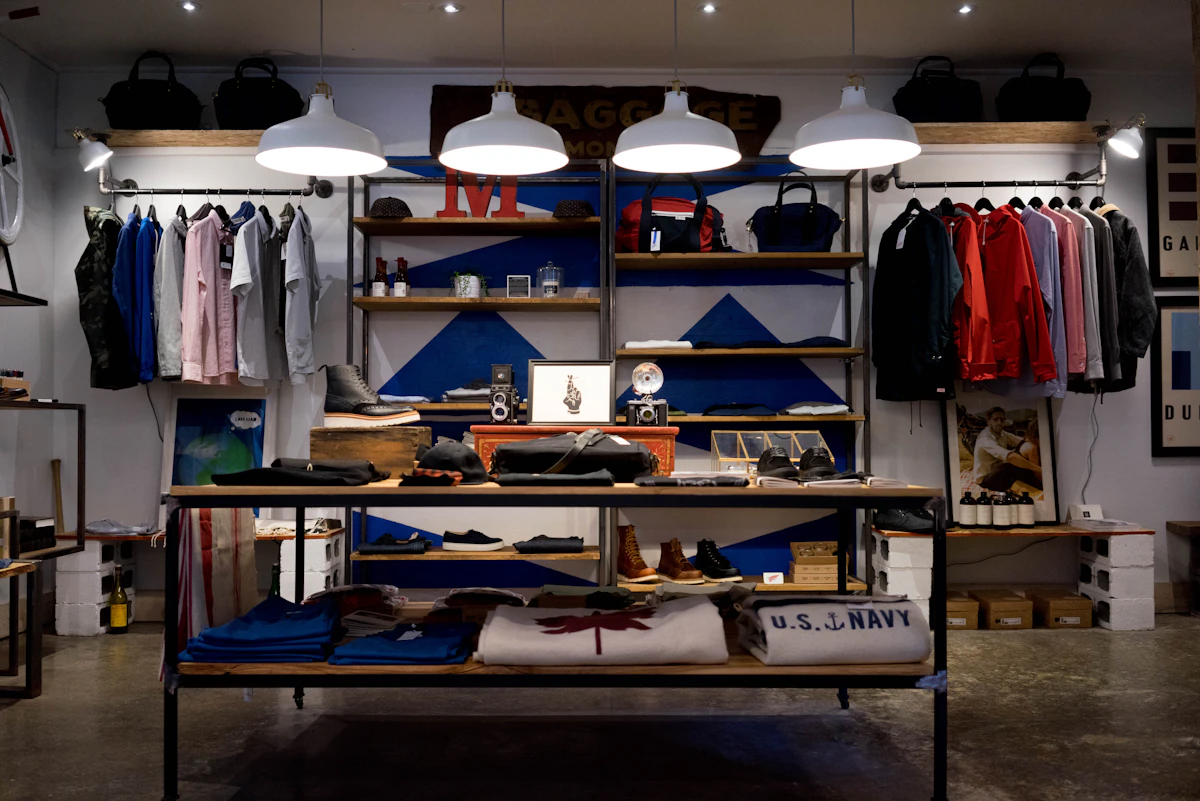
In an era of algorithmic flash sales, countdown timers, and one-click checkout buttons, modern retail is engineered to bypass rational decision-making. Yet anyone who has ever bought a heavily discounted jacket in a moment of excitement—only to leave it hanging unworn with the tags still attached—knows that a low price tag does not equal good value. True smart shopping is never about accumulating the largest volume of discount clothing; it is about directing your budget toward garments that deliver exceptional mileage, physical comfort, and aesthetic longevity.
At The Fashion Edit, we approach shopping with the same analytical rigor a creative director brings to a showroom buy. When you replace emotional impulse buying with a clear framework for evaluating garment construction, cost-per-wear math, and seasonal timing, you can assemble a wardrobe that looks and feels remarkably luxurious without ever overextending your finances.
The Mathematics of Value: Real Cost Per Wear (CPW)
Sticker price is the most deceptive metric in fashion. A $45 synthetic knit sweater that pills after four wears, loses its rib elasticity in the wash, and is relegated to the donation pile before spring has an actual cost of $11.25 per wear. Conversely, a $240 two-ply Scottish merino or Geelong wool sweater worn twenty-five times each autumn and winter over five years costs $1.92 per wear—and still retains resale value if you ever decide to part with it.
How to Estimate CPW Before You Head to the Register
Before purchasing any item—whether in a brick-and-mortar boutique or while shopping for fashion online—run it through this three-part calculation:
Cost Per Wear Formula:
(Purchase Price + Alteration & Care Costs) ÷ Realistic Number of Wears Over 3 Years
Notice the inclusion of maintenance costs in the numerator. A delicate silk-blend blouse priced at $90 on the sale rack that requires $18 specialist dry cleaning after every second wear is rapidly more expensive to own than a $140 washable high-twist wool or long-staple cotton shirt.
The 60-Second Inside-Out Quality Inspection
Price and brand prestige are no longer reliable indicators of how well a garment is made. Many contemporary mid-luxury labels cut corners on interlinings and fabric density, while certain heritage workwear and accessible specialist brands still over-engineer their seams. Whenever you evaluate a garment in person, turn it inside out first and check these five structural markers:
| Construction Element | Sign of High Quality & Longevity | Red Flag to Walk Away From |
|---|---|---|
| Stitch Density (SPI) | 10 to 14 tight, even stitches per inch; flat-felled or French seams on shirting | Loose, wide stitches (under 7 SPI) that gap when you gently pull the seam apart |
| Seam Allowance & Hem | 1.5 cm to 2 cm interior seam allowance and deep 4 cm trouser hems for tailoring | Overlocked raw edges shaved right up to the stitch line with zero room to let out |
| Lining Textile | 100% Bemberg cupro, viscose twill, or silk that breathes and glides over knitwear | Stiff, non-breathable 100% virgin polyester lining that traps heat and static |
| Pattern Matching | Stripes, plaids, and herringbones align seamlessly across side seams and pockets | Mismatched checks at the shoulder seam or center back—a hallmark of rushed cutting |
| Hardware & Buttons | Corozo nut, mother-of-pearl, or genuine horn buttons sewn with a reinforced shank | Thin plastic buttons sewn flat against the cloth with loose, unknotted thread tails |
Four Rules to Eliminate Impulse Regret
Even the highest-quality garment is a waste of money if it duplicates something you already own or clashes with the rest of your closet. Protect your budget with these four habits from our Shopping & Style Guides desk:
1. The “Rule of Three Outfits” Test
Never buy an “orphan garment”—a piece so specific in color or cut that it demands you buy three new items just to make it wearable. Before purchasing any top, trouser, coat, or shoe, you must be able to visualize three complete, distinct outfits using pieces that are already clean and hanging in your closet today. If you have to buy new shoes and a new belt just to wear a pair of trousers, walk away.
2. The 72-Hour Wishlist Cooling Period
When browsing online, ban yourself from checking out on the same day you discover an item. Instead, bookmark the piece in a centralized wishlist spreadsheet or browser folder that lists the item, its fiber composition, the price, and which wardrobe gap it fills. Wait seventy-two hours. Once the initial dopamine spike of discovery fades, you will find that roughly 70% of the items on that list no longer feel urgent or necessary.
3. Shop Counter-Seasonally for Heavy Investments
Retail calendars operate six months ahead of actual weather. The worst time to buy a heavyweight wool overcoat or cashmere knitwear is during the first cold snap of October, when demand and full-price markups peak. Instead, maintain a running list of your core staples—guided by our 30-piece capsule wardrobe blueprint—and shop for heavy winter coats in late January/February, and linen tailoring or leather sandals in late August.
4. Never Buy a “Goal Size” or a Compromise Fit
One of the fastest ways to drain a clothing budget is buying a garment on final sale that is one size too small (“for when I get back in shape”) or uncomfortably tight across the shoulders because your true size was sold out. Only buy clothes that fit your body comfortably today—or that are slightly generous in a way a local tailor can easily nip in at the waist, a secret we explore in budget-friendly fashion finds worth considering.
Conclusion: Buy Less, Choose With Conviction
Smart shopping is not about denying yourself the pleasure of great clothes; it is about respecting your hard-earned resources enough to demand real craft in return. Combine these inspection habits with the long-term maintenance routines in our sustainable wardrobe guide, and every single hanger in your closet will hold an item that earns its keep.
Shivam
Shivam is the Menswear, Footwear & Style Contributor at The Fashion Edit. Blending a sharp eye for classic sartorial tailoring with deep roots in global sneaker and streetwear culture, he writes practical, no-nonsense guides on building resilient wardrobes, evaluating garment construction, and navigating online and archival fashion retail without overspending.
Related Fashion Stories
Budget-Friendly Fashion Finds Worth Considering
Which garment categories deliver exceptional quality at accessible price points—and how small tailoring tweaks make affordable pieces look bespoke.
A Practical Guide to Shopping for Fashion Online
Eliminate return headaches by measuring your best-fitting garments flat, decoding textile mill compositions, and reading studio model styling cues accurately.

How to Choose Clothes That Suit Your Personal Style
Using the Rule of Thirds, shoulder-seam alignment, fabric drape, and undertone harmony to select garments that feel natural and flattering from day one.