Sneakers Every Fashion Enthusiast Should Know About
From low-profile leather court trainers and 1970s suede runners to vulcanized canvas classics, explore the enduring sneaker archetypes and how to style them with tailoring.

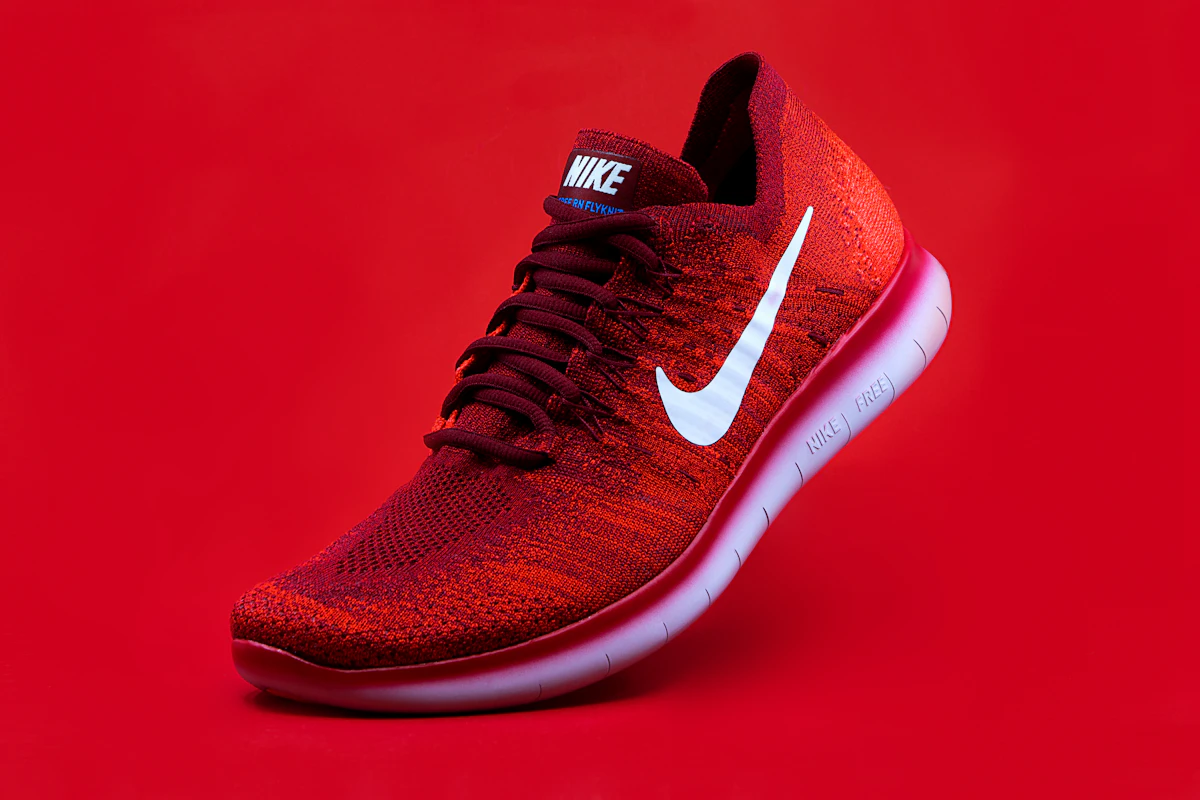
Over the past half-century, the athletic sneaker has completed one of the most remarkable migrations in dress history: moving from wooden gymnasium floors and cinder running tracks onto Savile Row, Milanese runways, and everyday creative workplaces. Yet as seasonal sneaker releases multiply at breakneck speed, distinguishing between fleeting hype and enduring design becomes increasingly important for anyone building a thoughtful wardrobe.
True sneaker icons share a common trait: their silhouettes were originally shaped by athletic necessity—whether lateral court stability, track traction, or board feel—which gave them clean, functional lines devoid of superfluous plastic overlays. When you understand the five foundational sneaker archetypes and how their sole thicknesses interact with trouser hems, you can anchor everything from casual weekend denim to unstructured wool suiting with effortless authority.
The Five Enduring Sneaker Archetypes
Rather than chasing limited-edition colorways that feel dated within six months, build your rotation around these five historical silhouettes. You can see how they fit within a complete shoe wardrobe in our Footwear archive.
1. The Minimalist Leather Court Trainer
Born on 1960s and 1970s tennis courts, the low-profile white or tonal calfskin court sneaker is the undisputed cornerstone of smart-casual footwear. Characterized by a stitched rubber cupsole (typically featuring a Margom-style side profile), a clean rounded toe box, and minimal perforations, it acts as the modern equivalent of a casual derby shoe. Look for full-grain Italian calfskin uppers with buttery kidskin leather linings that mold to the foot rather than cracking across the vamp crease.
2. The 1970s German Trainer & Indoor Gum-Sole
Originally commissioned for indoor military physical training and European handball courts, this silhouette combines a smooth white or ecru leather body with a signature T-shaped suede toe-bumper overlay and a translucent honey-gum rubber sole. Its flat, narrow last and tactile contrast between matte suede and smooth leather make it arguably the easiest sneaker on earth to pair with wide-leg trousers, mid-wash denim, and relaxed tailoring.
3. The Vulcanized Canvas Classic
Constructed by curing a flexible canvas upper directly to a foxing-wrapped rubber outsole under high heat and steam (vulcanization), low-top and high-top canvas sneakers have remained virtually unchanged since the 1920s. Because canvas lacks thick foam padding, it hugs the ankle closely, allowing wide or straight-leg trousers to drape cleanly over the shoe without catching on a bulky padded tongue.
4. The Heritage 1970s–1980s Suede Runner
Defined by a wedge-shaped EVA foam midsole, a jagged waffle or lugged rubber outsole wrapping up the heel counter, and panels of breathable nylon mesh framed by brushed suede, the vintage runner introduces dynamic geometry and rich color. In muted palettes of slate grey, navy, burgundy, or forest green, a heritage runner provides superior arch support for 15,000-step city days—a topic we expand on in the ultimate guide to comfortable everyday shoes.
5. The Retro Mesh-and-Metallic Technical Runner
Drawing from late-1990s and early-2000s marathon footwear, technical runners feature open-cell mesh uppers, sculpted multi-density gel or foam midsoles, and subtle metallic silver or cream synthetic overlays. In contemporary styling, they serve as an intentional textural counterpoint—used to “break” the formality of crisp pleated wool trousers or a minimalist maxi skirt.
Archetype Comparison & Styling Reference
| Sneaker Archetype | Sole Construction | Visual Weight | Best Trouser Hemline | Ideal Outfit Pairing |
|---|---|---|---|---|
| Minimalist Leather Court | Stitched rubber cupsole (25–30 mm) | Medium-Light | No break to slight quarter break; tapered or straight cut | Unstructured navy blazer, merino knit polo, tailored chinos |
| Indoor Gum-Sole Trainer | Low-profile flat gum rubber (18–22 mm) | Light & Sleek | Full puddle break or relaxed wide-leg drape | Pleated wide-leg wool trousers, crisp poplin shirt, trench coat |
| Vulcanized Canvas (Low/High) | Heat-fused rubber foxing (20 mm) | Ultra-Light | Cropped ankle hem or straight selvedge cuff | Raw selvedge denim, heavyweight white tee, chore jacket |
| 1970s Suede Wedge Runner | Die-cut EVA wedge + waffle rubber | Medium | Straight-leg or relaxed tapered hem | Cashmere crewneck, corduroy trousers, flannel overshirt |
| 90s/00s Technical Mesh Runner | Multi-density sculpted foam + TPU shank | Heavy / Bold | Wide puddle hem or cropped relaxed trousers | Oversized wool coat, relaxed grey trousers, tonal hoodie |
Mastering the Trouser-to-Sneaker Interface
How a sneaker looks on foot depends 50% on the shoe itself and 50% on where your trouser hem meets the collar of the shoe. For a deeper analysis of sole volume versus garment cut, read our dedicated guide on how to choose footwear that complements your outfit.
- Avoid the “Tongue Catch”: When wearing slim or tapered trousers with chunky basketball or running sneakers, the narrow leg opening often gets stuck behind an oversized padded tongue, creating a sloppy accordion bunch at the ankle. Pair slim trousers exclusively with sleek court or canvas models, and save chunky runners for wider leg openings (20 cm / 8 inches or wider at the hem) that fall smoothly over the tongue.
- The Sock Rule: Never let thin black polyester dress socks show above athletic sneakers. Instead, wear substantial cream or off-white ribbed organic cotton crew socks with retro runners and canvas trainers, or use true low-cut invisible liner socks with minimalist leather court sneakers in warm weather. As noted in our guide to accessories that can transform a simple outfit, the ankle bridge can make or break an ensemble.
Care and Maintenance for Longevity
A pair of luxury leather or suede sneakers loses its sartorial edge the moment the midsole turns dingy yellow-grey from street grime, even if a bit of natural upper patina looks great.
- Insert Unfinished Cedar Shoe Trees: Place cedar trees inside leather sneakers immediately after unlacing. Cedar absorbs moisture from the footbed and pulls out deep toe-box creases while the leather cools.
- Clean Rubber Sidewalls Separately: Keep a dedicated stiff-bristle brush and mild saddle soap or micellar sneaker cleanser to scrub the rubber cupsole edges every few wears without soaking the suede panels above.
- Brush Suede Dry: Use a brass-and-nylon suede brush and a crepe rubber eraser block to lift dry mud spots from suede runners before applying a breathable fluorocarbon-free water repellent spray.
Conclusion
A disciplined sneaker rotation does not require fifty boxes stacked to the ceiling. By owning a crisp leather court shoe for tailored days, a suede gum-sole trainer for everyday versatility, and a supportive heritage runner for long city walks, you cover the entire spectrum of contemporary casual and smart-casual dressing with timeless poise.
Shivam
Shivam is the Menswear, Footwear & Style Contributor at The Fashion Edit. Blending a sharp eye for classic sartorial tailoring with deep roots in global sneaker and streetwear culture, he writes practical, no-nonsense guides on building resilient wardrobes, evaluating garment construction, and navigating online and archival fashion retail without overspending.
Related Fashion Stories
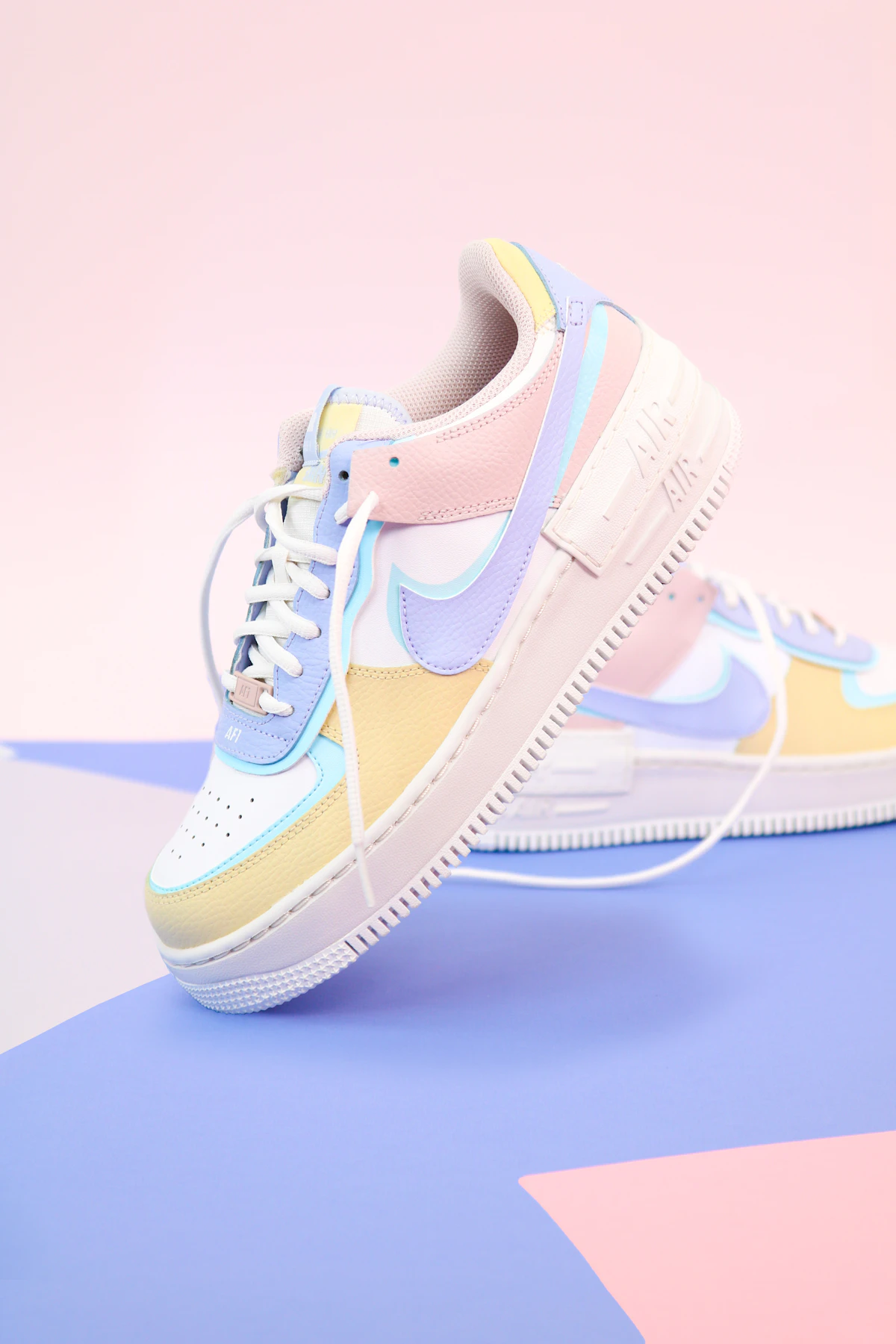
How to Choose Footwear That Complements Your Outfit
The visual weight principle explained: matching shoe sole thickness, vamp height, and color contrast to wide-leg trousers, tapered hems, and midi silhouettes.
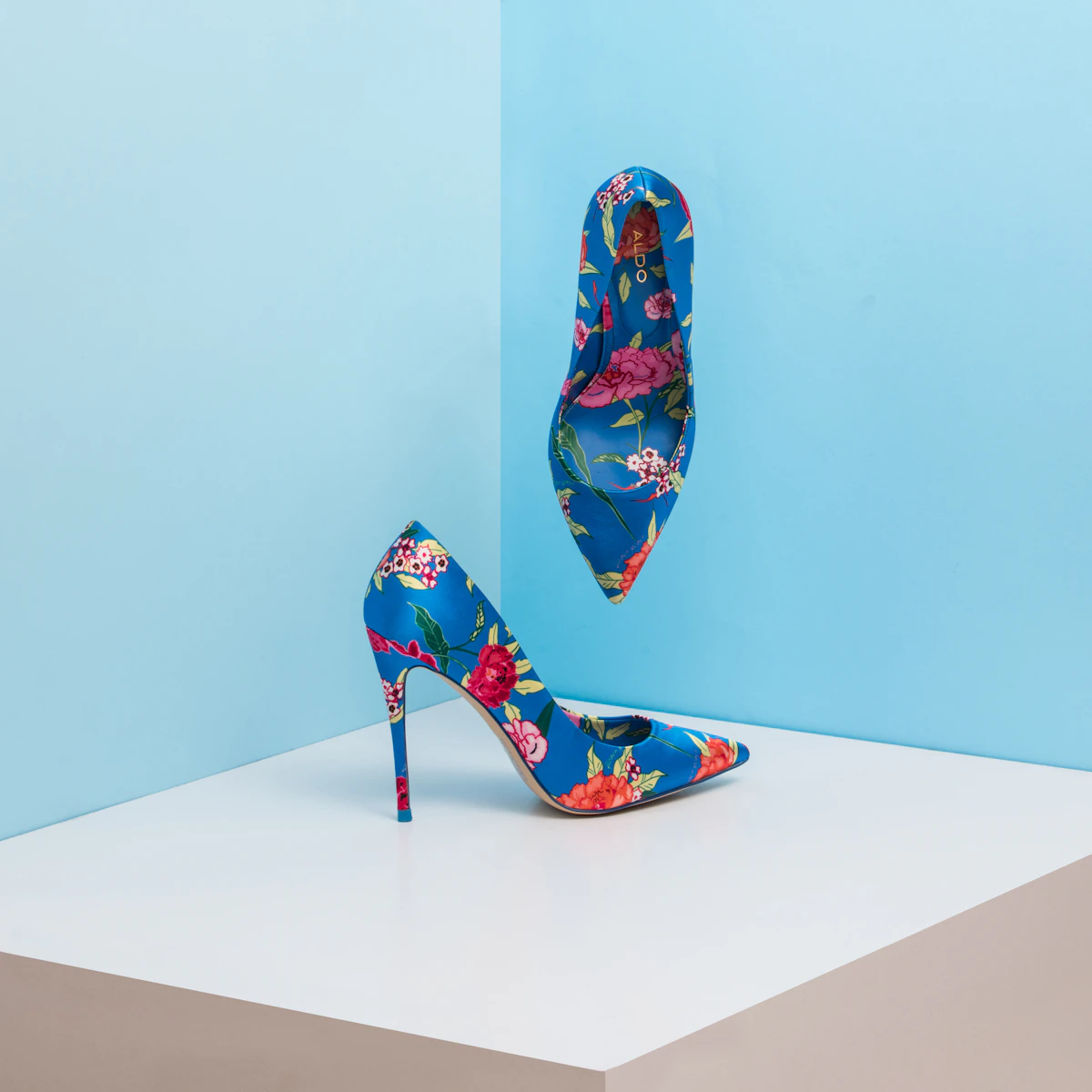
How to Style Heels for Different Occasions
Balancing heel geometry—from sculptural kitten heels and architectural block heels to pointed slingbacks—across tailored trousers, midi skirts, and evening gowns.
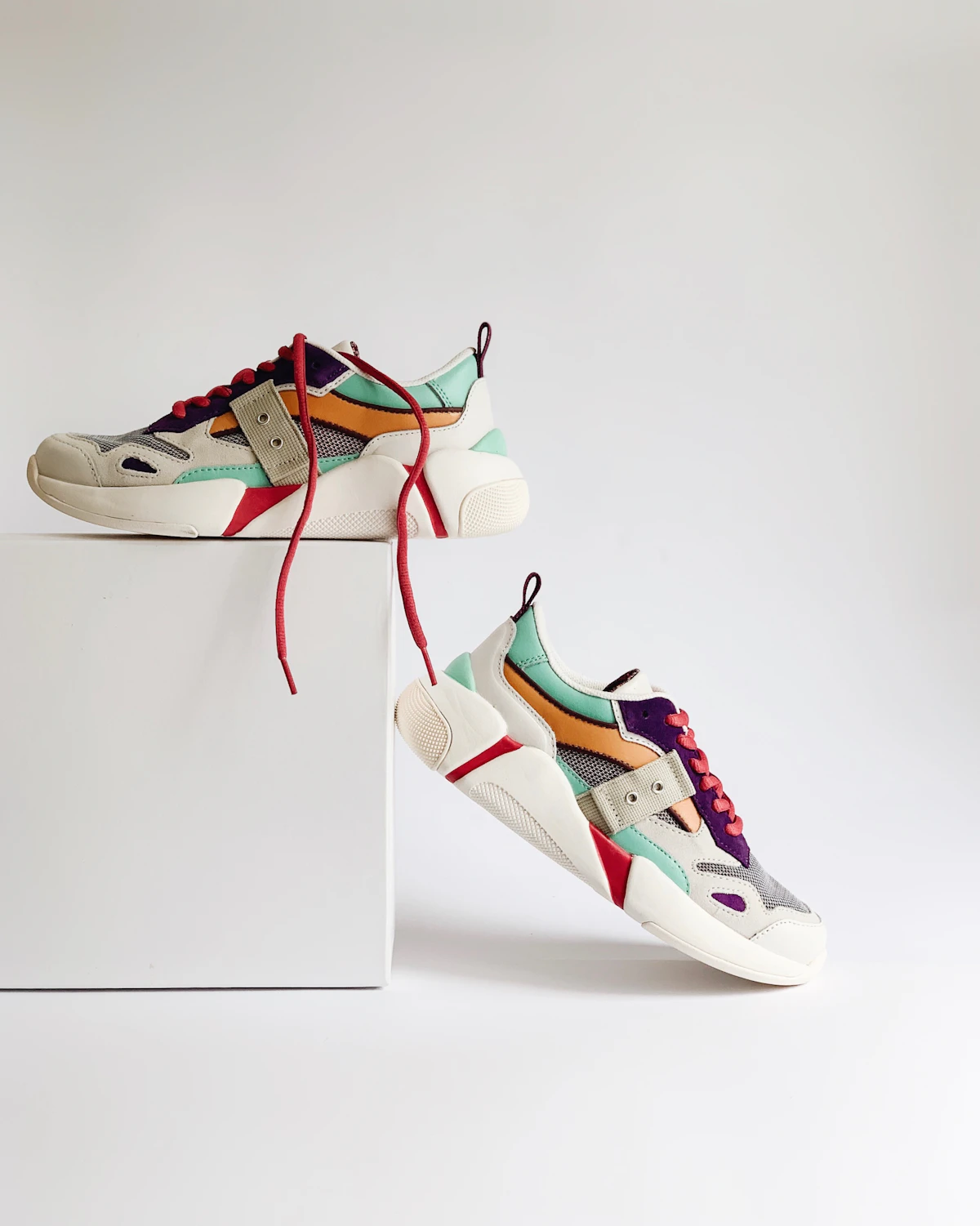
The Ultimate Guide to Comfortable Everyday Shoes
Why anatomical toe boxes, Goodyear-welted cork footbeds, penny loafers, glove-leather flats, and leather sandals are the secret to high-mileage city dressing.