How to Style Heels for Different Occasions
Balancing heel geometry—from sculptural kitten heels and architectural block heels to pointed slingbacks—across tailored trousers, midi skirts, and evening gowns.

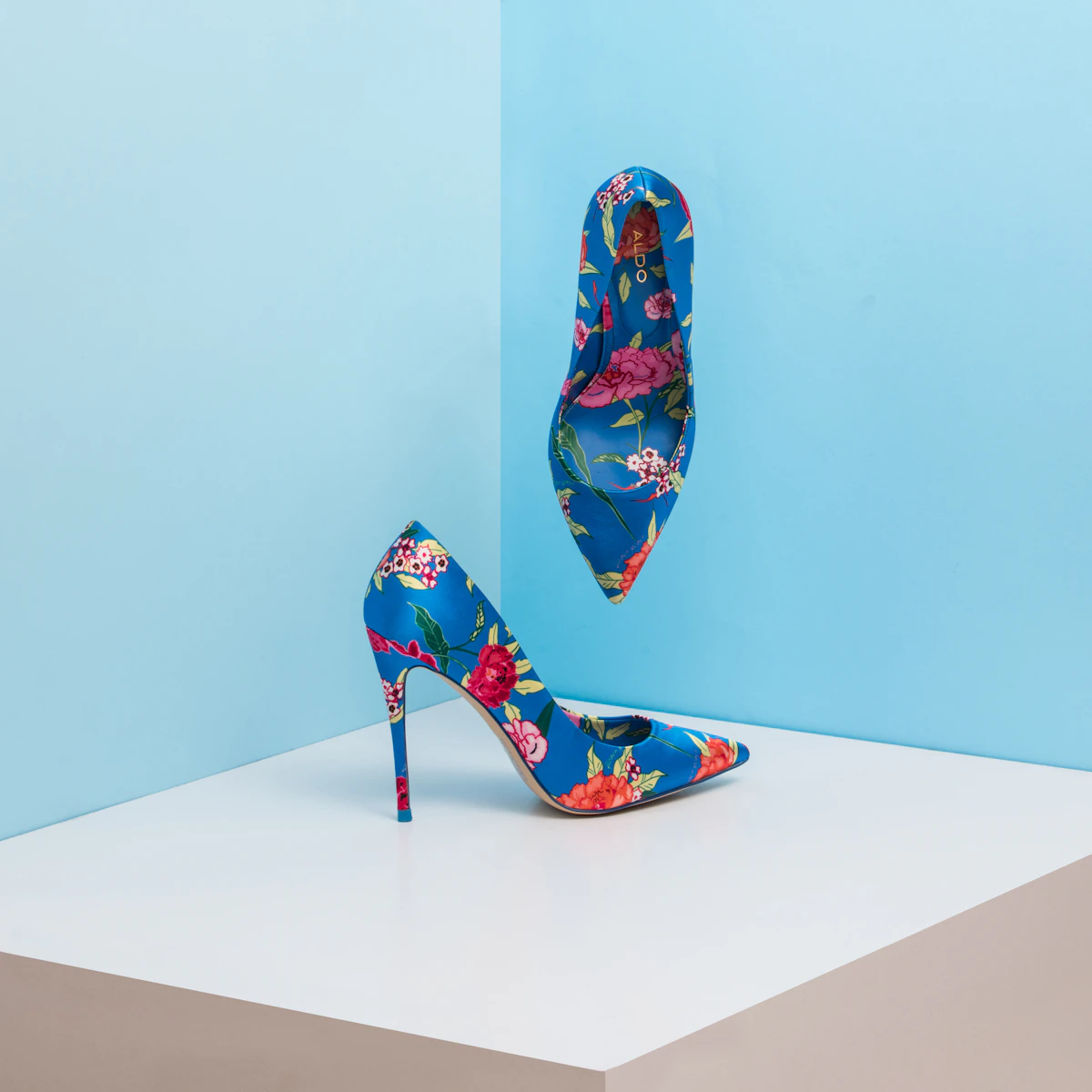
A well-engineered heel changes more than physical height; it alters posture, shifts the center of gravity, and recalibrates how fabric drapes from the hip to the floor. Yet for years, occasion footwear was dominated by an unhelpful binary: punishing four-inch stilettos or purely utilitarian flats. Modern footwear design has dismantled that compromise, ushering in an era of architectural block heels, angled kitten heels, and glove-leather slingbacks that prioritize biomechanical stability alongside razor-sharp aesthetics.
Learning how to style heels for different occasions requires looking simultaneously at three structural elements: heel pitch and surface area (which govern comfort and terrain suitability), toe-box geometry (pointed, almond, square, or open), and vamp cut (how much of the top of the foot remains exposed). When these three variables align with your hemline and venue, your footwear elevates the entire silhouette effortlessly.
Decoding Toe Shapes and Vamp Cuts
Before considering heel height, look down at the toe box and vamp—the parts of the shoe that actually remain visible beneath trousers and skirts.
Pointed vs. Almond vs. Square Toes
- The Elongated Pointed Toe: Extends the visual line of the leg beyond the natural foot length. When peeking out from beneath full-length wide-leg trousers or puddle-hem denim, a pointed toe prevents heavy fabric from looking boxy or stumpy.
- The Classic Almond or Chiselled Toe: Softens the severity of a sharp point while maintaining a refined, feminine taper. It is the most versatile choice for knee-length skirts, tailored cigarette pants, and conservative corporate environments.
- The Architectural Square Toe: Introduces a contemporary, graphic edge that grounds fluid bias-cut slip dresses and minimalist leather outerwear.
The Leg-Lengthening Power of a Low-Cut Vamp
The vamp is the front section of the shoe that covers the toes and instep. A low-cut vamp (or a D’Orsay cut, where the side arches of the shoe are cut away) exposes the full length of the instep, making the foot appear as a continuous extension of the lower leg. Conversely, a high-vamp pump or thick ankle strap creates a horizontal line across the ankle—flattering on long hemlines or bare legs with mini lengths, but requiring careful placement with midi skirts so the calf is not visually shortened.
Matching Heel Silhouettes to the Occasion
Every social and professional environment places different demands on both dress code and underfoot terrain. Browse our full Footwear section for seasonal inspiration across categories.
| Heel Silhouette | Typical Height | Terrain & Stability | Ideal Garment Pairing | Best Occasions |
|---|---|---|---|---|
| Pointed-Toe Slingback (Kitten Heel) | 35 mm – 55 mm (1.5”–2.2”) | High stability; elasticized back strap allows natural stride | Tailored wool trousers, pencil skirts, cropped straight denim | Full workdays, business lunches, museum openings, daytime events |
| Architectural Block Heel Pump / Mule | 50 mm – 70 mm (2”–2.75”) | Exceptional weight distribution; won’t sink into grass or cobblestones | A-line midi skirts, wide-leg linen suits, structured shirt dresses | Outdoor garden weddings, cobblestones, all-day conferences |
| Classic Court Pump (Stiletto / Tapered) | 70 mm – 90 mm (2.75”–3.5”) | Best suited for indoor hard floors and carpeted venues | Sharp double-breasted suits, cocktail sheath dresses, evening tailoring | Boardroom presentations, formal dinners, theatre evenings |
| Minimalist Two-Strap Evening Sandal | 65 mm – 85 mm (2.5”–3.3”) | Lightest visual footprint; delicate ankle support | Floor-sweeping silk gowns, velvet cocktail dresses, bias-cut satin slips | Black-tie galas, formal receptions, summer evening soirées |
| Sculptural Platform / Wedge Heel | 80 mm – 100 mm (with 25 mm front platform) | Reduces actual foot arch pitch while adding dramatic vertical height | Flare-leg trousers, maxi dresses, dramatic wide-leg jumpsuits | Evening parties, fashion events, tall-hemline formal wear |
Styling Heels by Hemline Length
How your heel interacts with your garment’s hem is the secret to balanced proportions—a core principle we explore in detail in how to choose footwear that complements your outfit.
1. Full-Length Wide-Leg Tailored Trousers
Tailored wide-leg trousers look sharpest when the back hem skims just 1 cm to 1.5 cm above the pavement—covering the heel counter nearly to the ground while letting a pointed or square toe box slice cleanly out the front. Because the heel shaft itself is mostly concealed, an angled 50 mm kitten heel or a sturdy 65 mm block heel delivers the exact same polished drape as a towering stiletto with infinitely greater walking comfort.
2. Midi Skirts and Bias-Cut Dresses
Because a midi hem terminates right at the widest curve of the calf, pairing it with a thick, high ankle strap or a heavy platform can make the lower leg feel visually compressed. Opt for a slingback with an open heel counter, a V-cut vamp mule, or a tonal leather pump that matches either your skin tone or your hosiery, keeping the vertical line unbroken.
3. Cropped Denim and Cigarette Trousers
When 5 cm to 8 cm of bare ankle is exposed between a cropped hem and the shoe, the heel silhouette becomes the star focal point. This is the ideal canvas for sculptural heels—such as brushed metal comma heels, flared spool heels, or patent leather Mary Janes with fine double straps. Coordinate the shoe’s buckle hardware with your bag using our guide on how to choose the right handbag for every occasion.
The Biomechanics of Comfortable Heels
You can evaluate whether a pair of heels will remain comfortable after four hours of standing before you ever leave the fitting room:
- Check the Steel Shank Placement: Press firmly on the arch of the sole between the ball of the foot and the heel stem. It should be completely rigid, supported by an internal tempered steel shank. If the arch flexes or twists, your plantar fascia will bear all the strain.
- Measure the Pitch Angle (Heel-to-Ball Distance): Look at where the heel stem sits under the rear of the shoe. A heel stem positioned directly beneath the center of your calcaneus (heel bone) supports your skeletal column naturally; a stem pushed to the very back edge of the shoe tips your weight forward onto the metatarsal heads.
- Keep a Backup Strategy for Commutes: Even the finest Italian leather soles wear down quickly on rough asphalt. Have a cobbler apply a 1.5 mm Topy rubber half-sole before your first outdoor wear to add slip resistance and protect the stitched leather sole, and rely on our ultimate guide to comfortable everyday shoes for long transit stretches.
Conclusion
Styling heels with confidence has nothing to do with enduring discomfort for the sake of altitude. By matching heel geometry to the venue’s terrain, selecting toe shapes that flatter your trouser or dress hems, and prioritizing centered heel placement with low-cut vamps, you can command every occasion from Monday morning meetings to midnight formal receptions.
Tanisha
Tanisha is the Senior Fashion & Beauty Editor at The Fashion Edit. With over eight years of experience in fashion journalism, runway critique, and textile curation, she specializes in translating directional couture concepts into wearable everyday silhouettes. Her coverage spans women’s wardrobe architecture, modern Indian and global ethnic craftsmanship, dermatology-informed skincare routines, and fine jewellery styling.
Related Fashion Stories
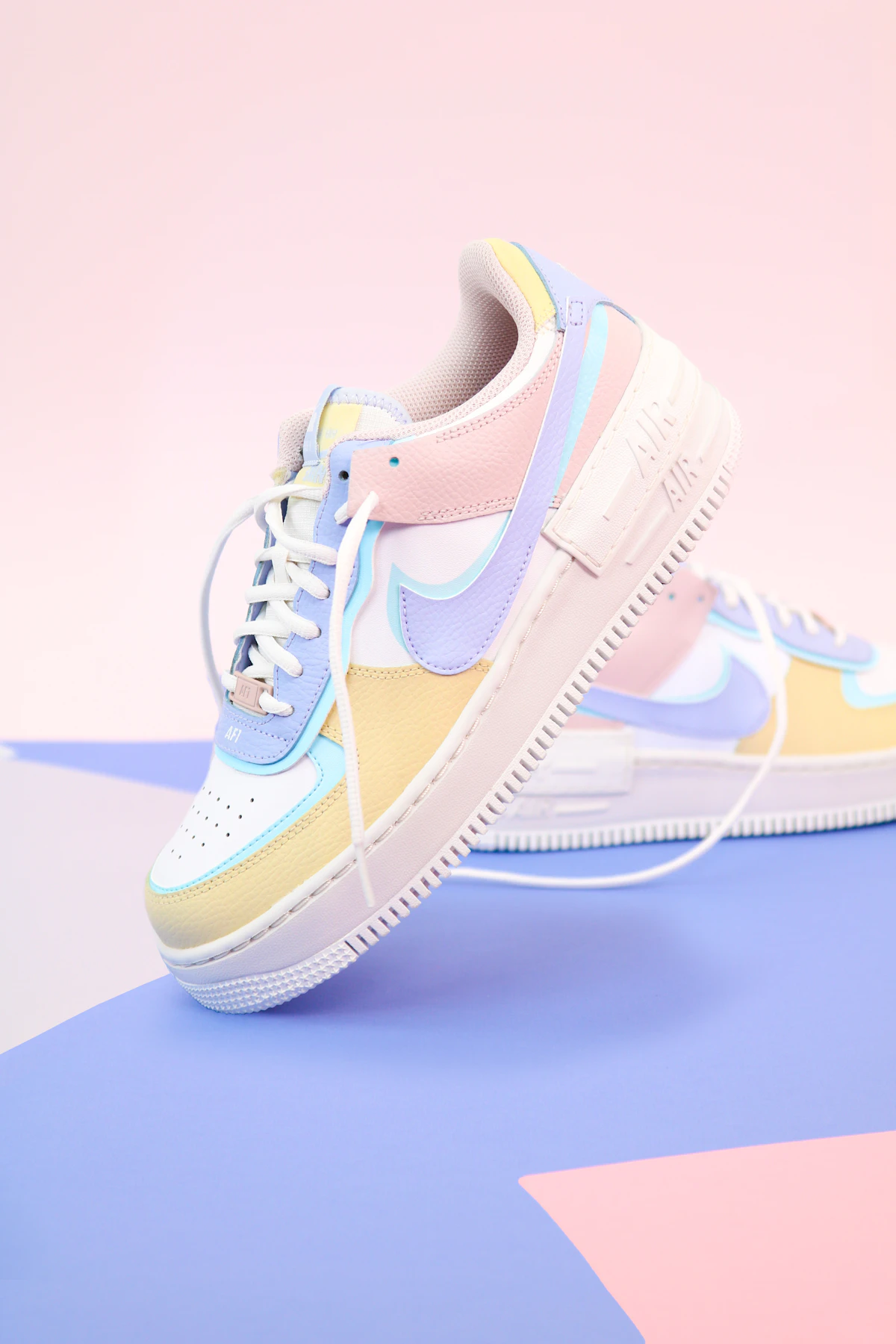
How to Choose Footwear That Complements Your Outfit
The visual weight principle explained: matching shoe sole thickness, vamp height, and color contrast to wide-leg trousers, tapered hems, and midi silhouettes.
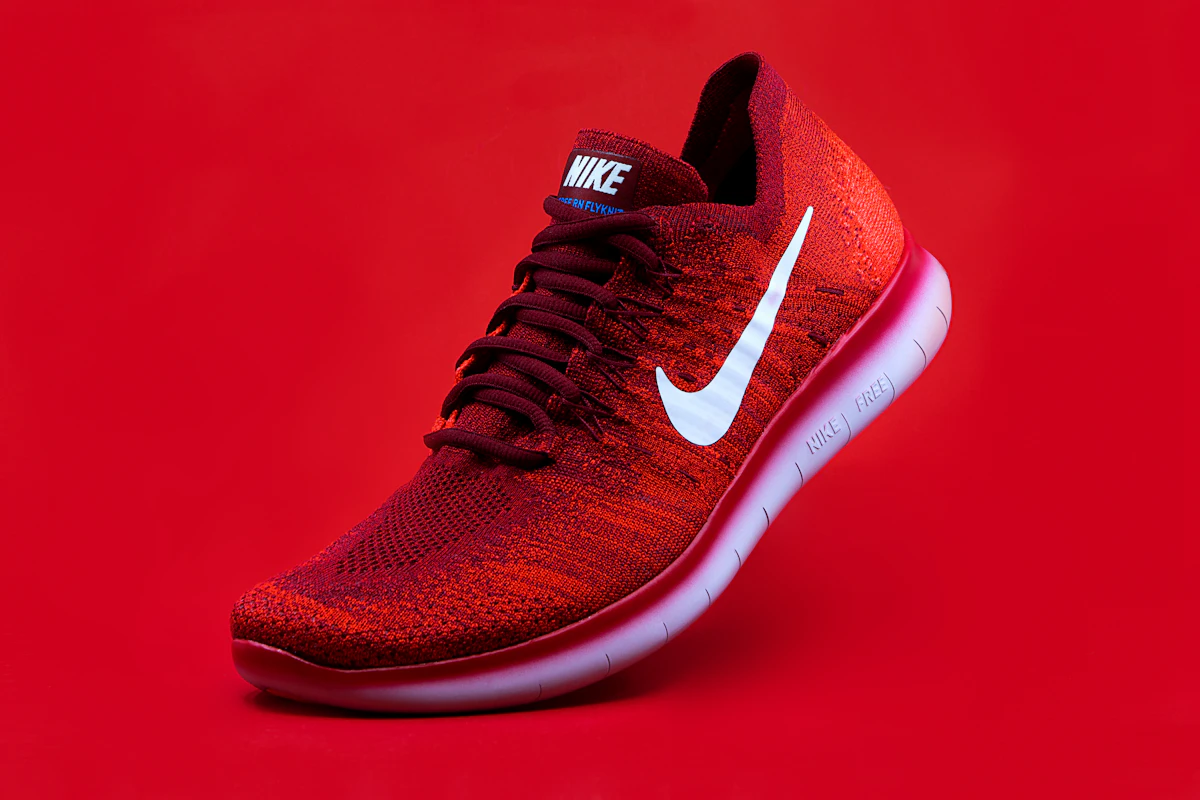
Sneakers Every Fashion Enthusiast Should Know About
From low-profile leather court trainers and 1970s suede runners to vulcanized canvas classics, explore the enduring sneaker archetypes and how to style them with tailoring.
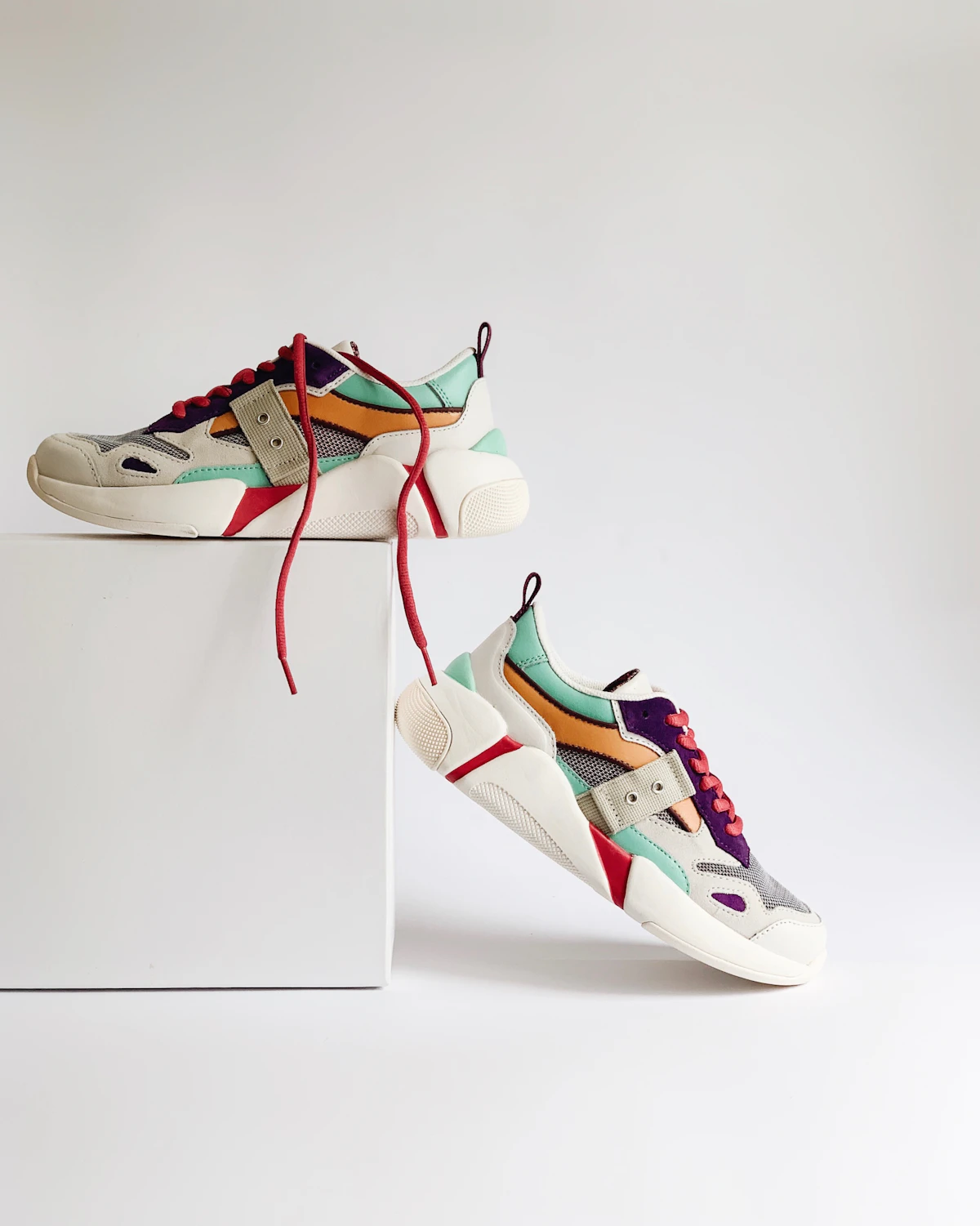
The Ultimate Guide to Comfortable Everyday Shoes
Why anatomical toe boxes, Goodyear-welted cork footbeds, penny loafers, glove-leather flats, and leather sandals are the secret to high-mileage city dressing.