The Ultimate Guide to Comfortable Everyday Shoes
Why anatomical toe boxes, Goodyear-welted cork footbeds, penny loafers, glove-leather flats, and leather sandals are the secret to high-mileage city dressing.

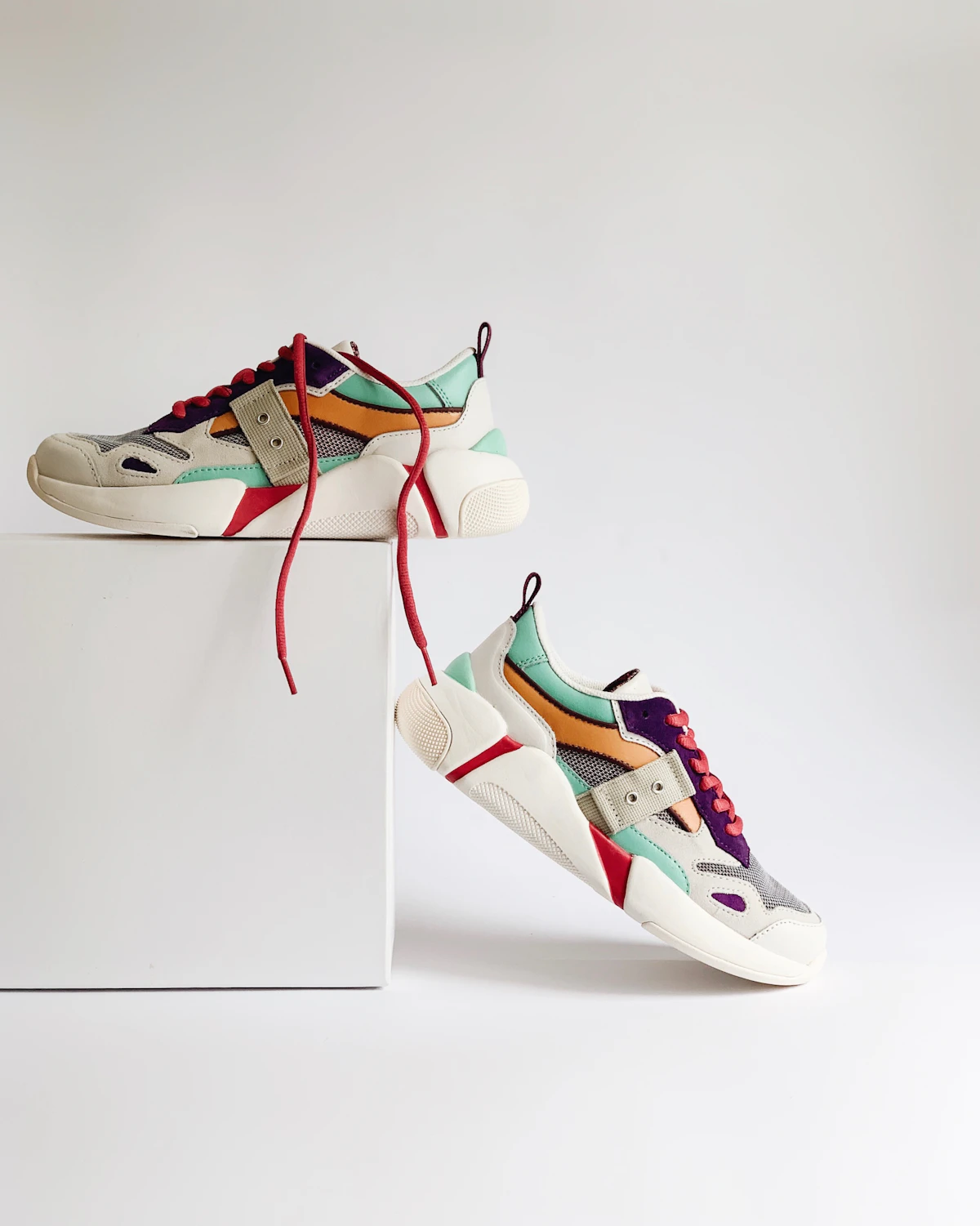
There is a persistent myth in fashion that true all-day walking comfort requires surrendering to bulky orthopedic foam shoes that clash with tailored clothing—or conversely, that stylish leather flats must inevitably cause blisters on a ten-thousand-step city day. In reality, the discomfort associated with flat everyday shoes rarely stems from a lack of three-inch foam cushioning. Instead, it comes from cardboard insoles, zero arch support, synthetic plastic linings that trap heat, and overly narrow toe boxes that pinch the forefoot.
When a flat shoe is constructed with breathable full-grain leather, a slight 15 mm to 20 mm stacked heel lift that relieves Achilles tendon tension, and a molded cork or leather footbed that conforms to your arch, it becomes the most versatile workhorse in your closet. Here is how to identify, select, and style comfortable everyday shoes that look every bit as sharp at 8:00 PM as they did when you stepped out the door at 8:00 AM.
What Actually Makes an Everyday Shoe Comfortable?
Before exploring specific silhouettes, it helps to understand the anatomy of high-mileage footwear. Cloud-soft memory foam feels plush for the first fifteen minutes in a store, but under sustained body weight it compresses flat, leaving your joints pounding directly against the pavement.
1. Firm Arch Support vs. Soft Squish
For long hours of standing and city walking, firm anatomical support always outperforms overly soft cushioning. Shoes built with Goodyear welt or Blake stitch construction often feature a cavity between the leather insole and outsole filled with granulated cork resin. Over the first two weeks of wear, body heat and pressure mold that cork layer into a custom orthotic imprint of your exact foot shape.
2. A Slight Heel Drop (10 mm – 25 mm)
Completely dead-flat shoes—such as paper-thin ballet flats or cheap flip-flops with a 0 mm drop and no shank—force your heel strike to absorb 100% of the pavement shock while stretching the plantar fascia. A stacked leather heel measuring 15 mm to 22 mm (roughly three-quarters of an inch) shifts your weight into a neutral biomechanical alignment.
3. Unlined or Vegetable-Tanned Leather Interiors
Friction plus moisture equals blisters. Avoid everyday flats lined with polyurethane (PU) “vegan leather,” which cannot breathe or stretch. Instead, choose shoes lined with soft kidskin, calfskin, or unlined suede (such as reverse calf or peccary), which wick perspiration and gently give over the widest points of your toe joints.
The Five Pillars of Stylish Everyday Footwear
Build your daily rotation around these five flat and low-heeled silhouettes, all of which bridge casual and tailored wardrobes effortlessly. Explore more options across our Footwear hub.
| Everyday Silhouette | Construction Highlights | Ideal Seasonality | Best Outfit Pairings |
|---|---|---|---|
| Classic Penny or Horsebit Loafer | Stacked 20 mm heel, leather or Dainite rubber sole, moc-stitched apron | Year-round (sockless in summer; with ribbed wool socks in winter) | Pleated chinos, straight-leg selvedge denim, tailored blazer and trousers |
| Glove-Leather Mary Jane / Ballet Flat | Supple lambskin or nappa upper, instep strap for security, 15 mm heel | Spring, Summer, Early Autumn | Midi slip skirts, cropped kick-flare jeans, crisp poplin shirt dresses |
| Goodyear-Welted Derby / Blucher | Open-lacing system (accommodates high insteps), storm welt, commando or crepe sole | Autumn, Winter, Rainy Spring | Relaxed wool trousers, chore coats, heavy knitwear, raw denim |
| Anatomical Leather Footbed Sandal | Contoured cork-latex footbed with deep heel cup and wide leather straps | High Summer & Resort | Linen drawstring trousers, maxi dresses, relaxed Bermuda shorts |
| Suede Boat Moccasin / Camp Moc | Hand-sewn moccasin construction wrapping under the foot, siped rubber sole | Late Spring through Early Autumn | Rolled chinos, oxford cloth button-downs, lightweight cotton cardigans |
Styling Everyday Flats Without Losing Polish
Because flat shoes sit close to the ground and carry less vertical lift than heels or boots, how you style the ankle transition determines whether the outfit looks crisp and editorial or unintentionally casual.
Mastering the Loafer-and-Trouser Break
The penny loafer—whether in dark chocolate suede, black box calf, or burgundy cordovan—is the undisputed champion of smart-casual dressing.
- With Cropped or Ankle-Length Trousers: Leave a 3 cm to 5 cm gap between the hem and the top of the loafer. In warm weather, wear invisible no-show liners; in cooler seasons, showcase a pair of ribbed merino or cream cotton socks—one of the easiest accessories that can transform a simple outfit.
- With Full-Length Relaxed Trousers: Ensure the trouser hem rests with a clean quarter break just above the heel welt so the back of the fabric never drags beneath your heel on wet pavement. You can review exact hemline ratios in our guide on how to choose footwear that complements your outfit.
Elevating Mary Janes and Glove Flats
Traditional round-toe ballet flats without an instep strap often force your toes to claw downward to keep the shoe on while walking, leading to foot fatigue. Switching to an almond-toe or square-toe Mary Jane flat solves both aesthetic and ergonomic challenges: the buckle strap locks your heel securely into the counter, while the hardware adds a jewel-like detail against bare skin or sheer black tights. Pair them with a structured leather tote selected using our guide on how to choose the right handbag for every occasion.
When to Choose Derbies, Sneakers, or Boots
For days involving uneven cobblestones, unpredictable rain, or ten miles of transit, rotate your loafers with a rubber-soled derby shoe, a supportive retro runner from our roundup of sneakers every fashion enthusiast should know about, or a crepe-soled desert boot featured in our guide to boots styling ideas for different seasons.
Breaking In Quality Leather Shoes Painlessly
Even the finest bench-made leather loafers require five to ten wears for the leather midsole and heel counter to soften:
- Wear thick merino socks around the house for two-hour intervals before taking stiff new loafers on an all-day walk.
- Apply a light coat of lanolin-free leather conditioner to the inside and outside of the vamp flex points to relax the hide fibers.
- Always alternate your everyday shoes every 24 hours so the leather insole can dry completely, extending the life of the footbed by years.
Conclusion
Comfortable everyday footwear does not mean dressing down. By investing in breathable leather linings, supportive cork or leather footbeds, and timeless silhouettes like the penny loafer, derby, and strapped flat, you can navigate the longest city days with effortless posture and enduring style.
Shivam
Shivam is the Menswear, Footwear & Style Contributor at The Fashion Edit. Blending a sharp eye for classic sartorial tailoring with deep roots in global sneaker and streetwear culture, he writes practical, no-nonsense guides on building resilient wardrobes, evaluating garment construction, and navigating online and archival fashion retail without overspending.
Related Fashion Stories
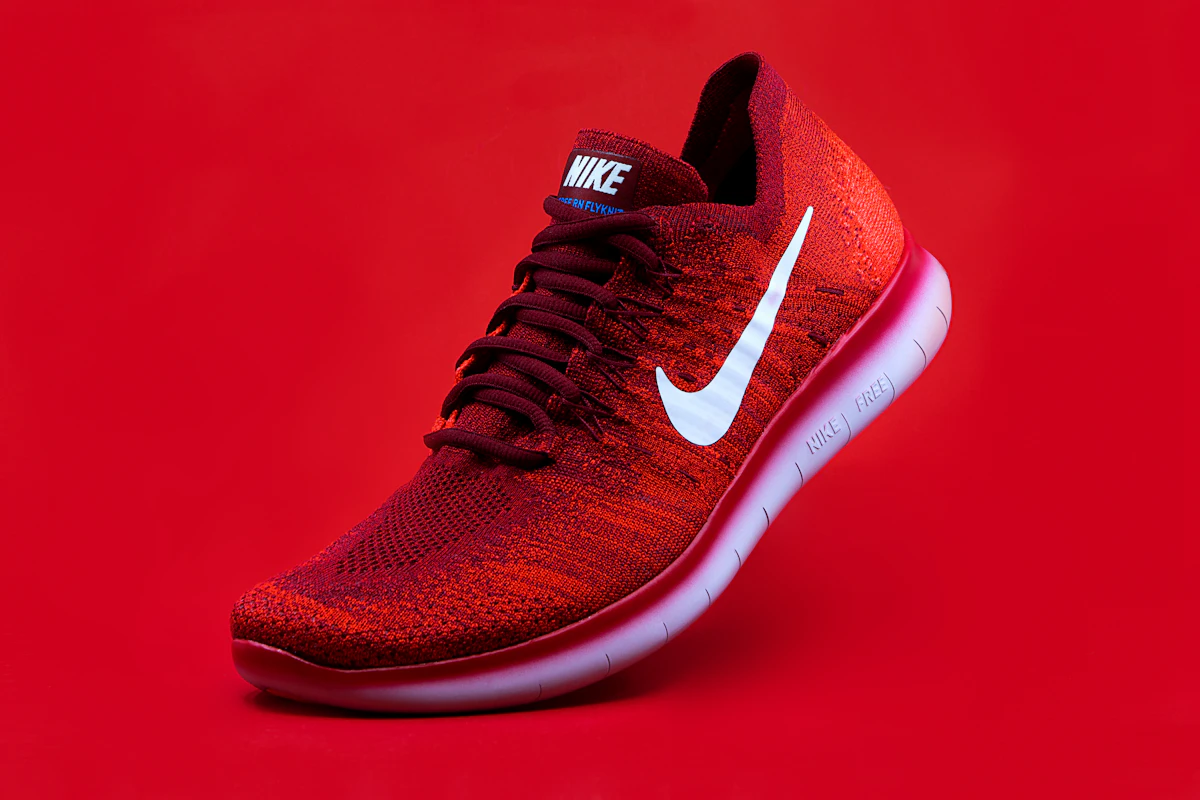
Sneakers Every Fashion Enthusiast Should Know About
From low-profile leather court trainers and 1970s suede runners to vulcanized canvas classics, explore the enduring sneaker archetypes and how to style them with tailoring.
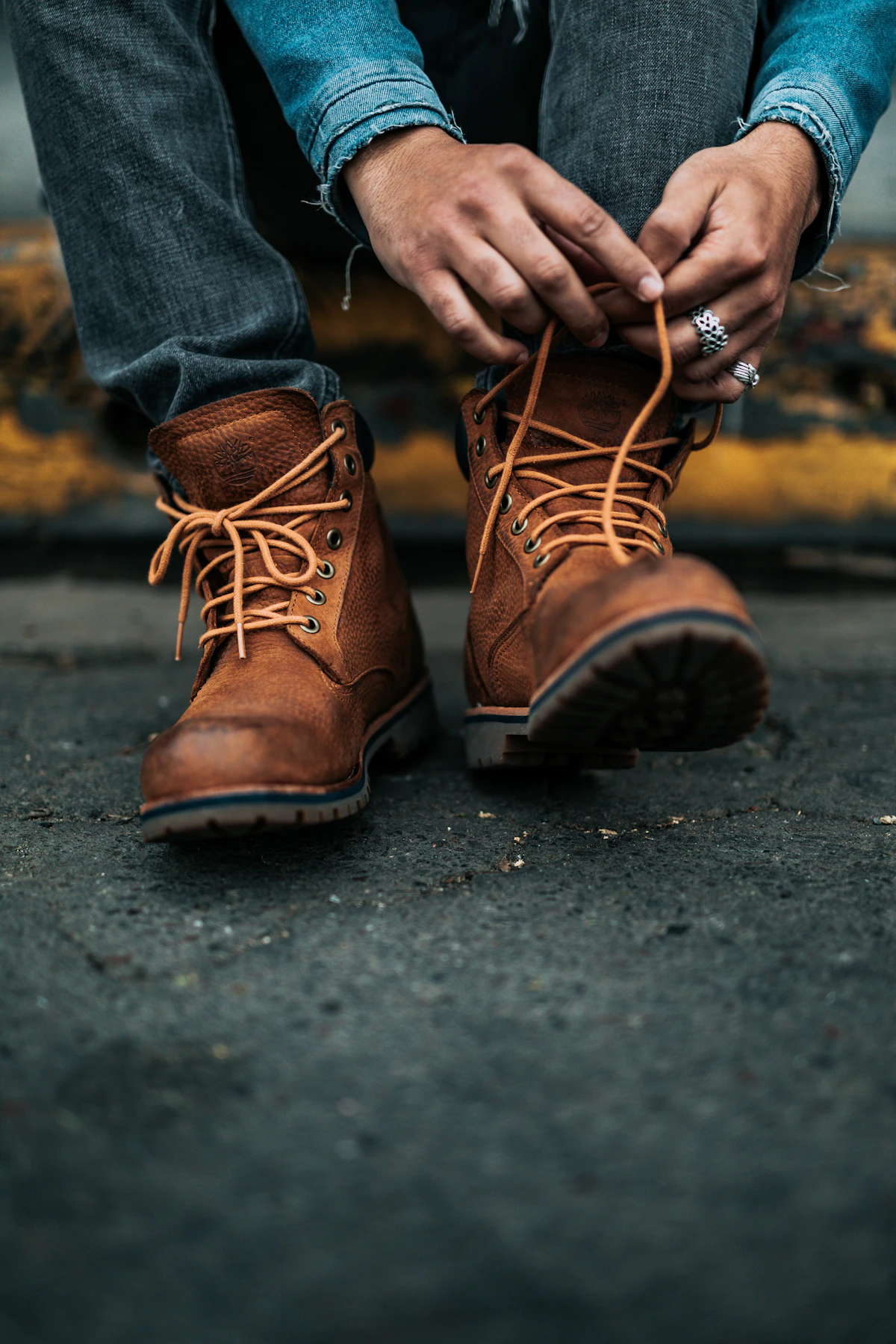
Boots Styling Ideas for Different Seasons
How to transition suede desert chukkas, sleek Chelsea boots, knee-high riding silhouettes, and lug-sole lace-up boots from crisp autumn days through spring showers.
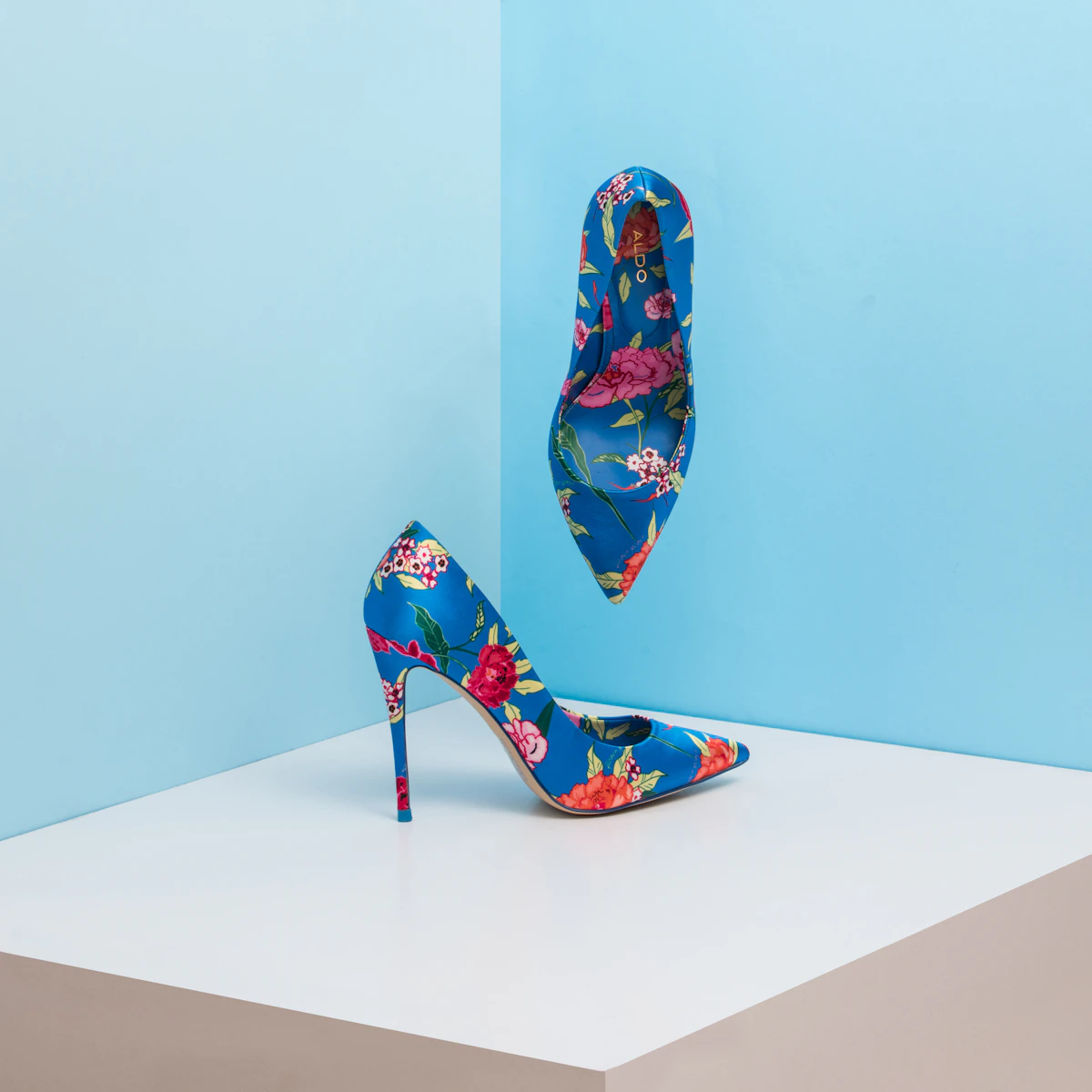
How to Style Heels for Different Occasions
Balancing heel geometry—from sculptural kitten heels and architectural block heels to pointed slingbacks—across tailored trousers, midi skirts, and evening gowns.