How to Style Watches With Different Outfits
Understanding case diameter, lug-to-lug proportions, leather straps versus steel bracelets, and how to pair dress, field, and dive watches with your wardrobe.

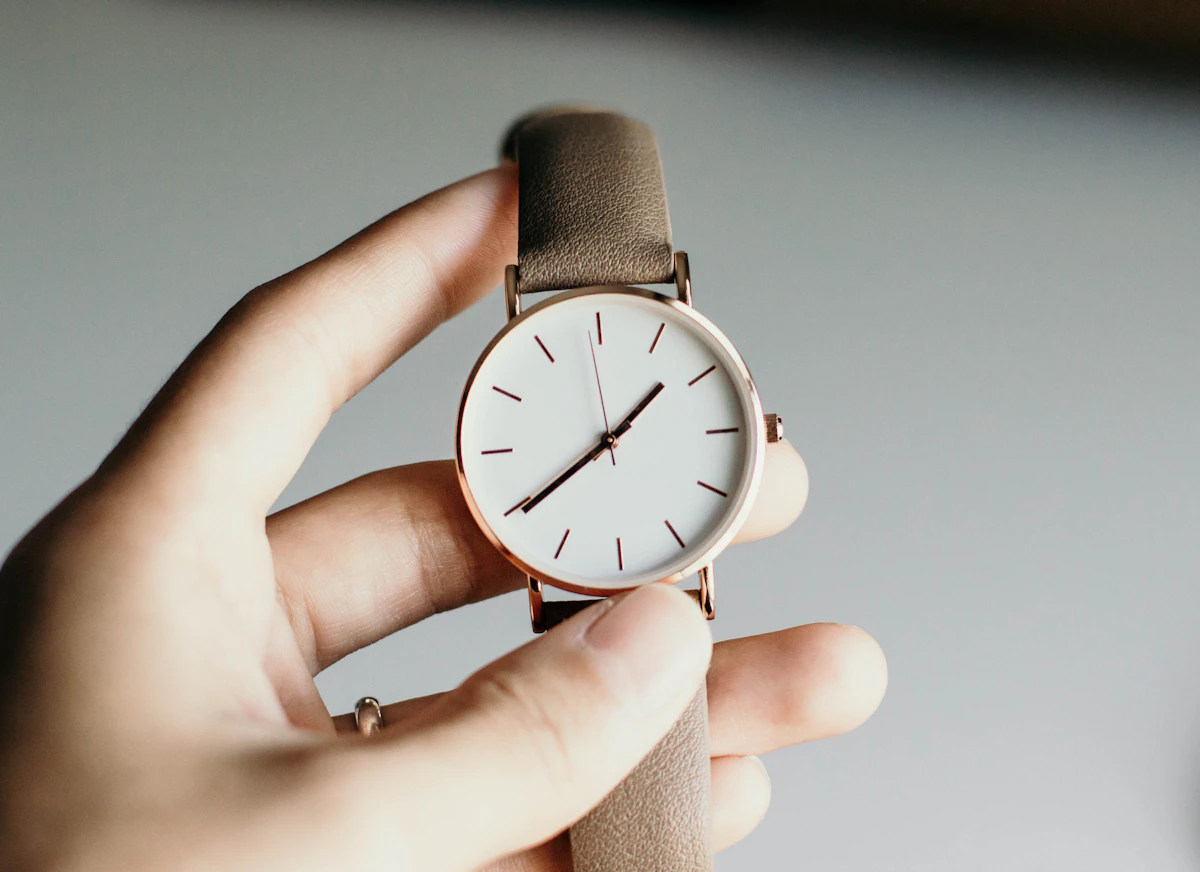
In an era where every screen in our pocket displays atomic time to the millisecond, wearing a wristwatch is a deliberate aesthetic and cultural choice. A well-proportioned timepiece sits at the intersection of micro-mechanical engineering and sartorial restraint. Unlike loud logos or trend-driven apparel, a watch communicates through subtle cues: the curvature of its crystal, the brushed vs. polished chamfer of its lugs, the thickness of its case beneath a French cuff, and the texture of its strap.
Yet even the finest mechanical watch looks out of place when its tool-watch DNA clashes with formal tailoring—or when an ultra-thin gold dress piece is paired with rugged utilitarian outerwear. Learning how to style watches with different outfits comes down to three core variables: case geometry, complication complexity, and strap material.
The Golden Rule of Watch Proportions
Before matching a watch to a dress code, it must fit the physical architecture of your wrist and the cut of your sleeves. For years, oversized 44 mm to 46 mm cases dominated the market, but enduring horological style favors restraint and anatomical harmony.
Case Diameter vs. Lug-to-Lug Distance
While shoppers fixate on case diameter (36 mm, 38 mm, 40 mm), the true determinant of fit is the lug-to-lug measurement—the total vertical span from the tip of the top strap horn to the tip of the bottom horn.
- The Overhang Test: Regardless of wrist circumference, the lugs of a watch should never extend past the flat top plane of your wrist bone.Ideally, at least 15% to 20% of the strap or bracelet should be visible when viewing the wrist straight down from above.
- Case Thickness and the Cuff Rule: For tailored shirts and suiting, case height matters just as much as width. A dress or smart-casual watch measuring between 7 mm and 10.5 mm thick glides effortlessly beneath a buttoned barrel cuff. Once a watch exceeds 13 mm (common in automatic chronographs and deep-sea divers), it catches on shirt plackets, forcing the cuff to bunch awkwardly on the forearm.
Matching Watch Archetypes to Dress Codes
Every timepiece belongs to a historical design lineage originally engineered for a specific environment—whether a 1930s opera house, a mid-century cockpit, or a coral reef. Respecting that lineage is the fastest shortcut to cohesive styling.
| Watch Category | Typical Dimensions | Dial & Bezel Characteristics | Default Strap / Bracelet | Ideal Outfit Pairing |
|---|---|---|---|---|
| Classic Dress Watch | 34 mm – 38 mm diameter; < 9 mm thick | Clean white, cream, or lacquered black dial; Roman or baton indices; time-only or small seconds | Alligator, Saffiano, or smooth box calfskin leather | Tuxedos, dark worsted business suits, silk blouses, formal evening wear |
| Sports Steel / GADA (Go Anywhere, Do Anything) | 36 mm – 40 mm diameter; 9.5 mm – 11.5 mm thick | Smooth polished or fluted bezel; sunburst or textured dial; 100m water resistance | Integrated steel bracelet, Oyster, or Jubilee links | Unstructured blazers, merino knitwear, dark selvedge denim, smart-casual office attire |
| Chronograph (Racing / Aviation) | 38 mm – 42 mm diameter; 12 mm – 14 mm thick | Two or three sub-dials, tachymeter bezel scale, dual pump or piston pushers | Perforated rally leather, suede, or brushed steel bracelet | Leather jackets, chore coats, cashmere crewnecks, oxford shirts with chinos |
| Dive Watch | 38 mm – 42 mm diameter; 11.5 mm – 14 mm thick | Unidirectional rotating timing bezel, luminous markers, screw-down crown | Brushed steel bracelet, vulcanized FKM rubber, or NATO nylon strap | Linen shirts, polo knits, relaxed fatigues, coastal and weekend casual wear |
| Field / Military Watch | 34 mm – 39 mm diameter; 8.5 mm – 11 mm thick | High-contrast matte dial, Arabic numerals (1–12 and 24-hour track), bead-blasted case | Canvas, two-piece Horween chromexcel leather, or woven nylon | Flannel shirts, field jackets, raw denim, utilitarian workwear |
The Transformative Power of Strap Swapping
A single versatile watch—such as a 38 mm silver-dial steel timepiece or a vintage-inspired chronograph—can span three distinct dress codes simply by changing its 18 mm or 20 mm strap. Keeping a spring-bar tool and three replacement straps in your wardrobe multiplies the versatility of your watch box:
1. Smooth Alligator or Box Calfskin for Tailoring
Metal bracelets carry an inherent sporty, utilitarian visual weight. When dressing for a wedding, board presentation, or formal dinner, swap a steel bracelet for a slim, minimally padded matte alligator or smooth calfskin strap. Match the leather color to your belt and dress shoes—black leather with black oxfords, dark espresso or cognac with brown loafers—a coordination principle that connects directly to accessories that can transform a simple outfit.
2. Textured Suede and Nubuck for Smart-Casual Texture
A steel watch that looks overly severe on black leather softens immediately when mounted on a taupe, tobacco, or olive suede strap with contrast side-stitching. Suede bridges the gap between tailored wool trousers and casual knitwear, echoing the tactile warmth of autumn boots or suede loafers.
3. Woven Perlon, Canvas, and NATO Straps for Warm Weather
During high summer, heavy leather traps perspiration and degrades rapidly. Switching a field or dive watch onto a breathable braided Perlon strap, ribbed single-pass nylon, or molded tropical rubber instantly aligns the watch with rolled-up linen sleeves, camp-collar shirts, and warm-weather footwear.
Coordinating Metals and Accompanying Accessories
A wristwatch rarely sits in isolation. Its case finish, dial warmth, and buckle hardware interact with every other metal accent on your body:
- Harmonizing Case Metals with Jewellery: If you wear a wedding band, signet ring, or cufflinks, look at your watch case finish. Brushed stainless steel, white gold, and platinum pair seamlessly with sterling silver rings. Yellow gold, rose gold, and bronze cases warm up earth-toned palettes (camel, olive, chocolate brown, cream). If you enjoy mixing gold and silver, use our jewellery styling tips for everyday outfits to establish visual balance across both wrists.
- Dial Color vs. Garment Palette: You do not need to match your dial color directly to your shirt. Instead, consider tonal temperature. Champagne, salmon, cream, and gilt-black dials flatter warm autumn and earth-toned outfits, whereas crisp polar white, silver sunburst, and deep navy dials sharpen cool grey, charcoal, and blue tailoring.
- Balancing Eyewear and Leather Goods: Notice how the tortoiseshell or metal frame of your glasses and the hardware on your briefcase or tote interact with your wrist. Pairing a vintage gold tank watch with warm acetate frames—chosen using our guide to sunglasses styles for different face shapes—creates an effortless, cohesive editorial polish.
Conclusion
Styling a watch well is never about status signaling; it is an exercise in proportion, context, and tactile harmony. When the case diameter respects your wrist geometry, the thickness clears your shirt cuff cleanly, and the strap material echoes the formality of your shoes and outerwear, your timepiece elevates every outfit you wear. Explore our wider Accessories & Jewellery coverage for more ways to refine your daily wardrobe details.
Shivam
Shivam is the Menswear, Footwear & Style Contributor at The Fashion Edit. Blending a sharp eye for classic sartorial tailoring with deep roots in global sneaker and streetwear culture, he writes practical, no-nonsense guides on building resilient wardrobes, evaluating garment construction, and navigating online and archival fashion retail without overspending.
Related Fashion Stories
Sunglasses Styles for Different Face Shapes
Balance facial geometry with the right eyewear silhouette—comparing acetate thickness, bridge keyholes, lens tints, and UV400 optical standards.
How to Choose the Right Handbag for Every Occasion
An architectural guide to leather grains, strap drop lengths, hardware finishes, and silhouettes—from work totes and saddle crossbodies to sculptural evening clutches.
Jewellery Styling Tips for Everyday Outfits
How to layer necklaces by chain weight, balance hoop proportions with collarlines, stack rings without clutter, and mix gold and silver tones intentionally.