Sunglasses Styles for Different Face Shapes
Balance facial geometry with the right eyewear silhouette—comparing acetate thickness, bridge keyholes, lens tints, and UV400 optical standards.

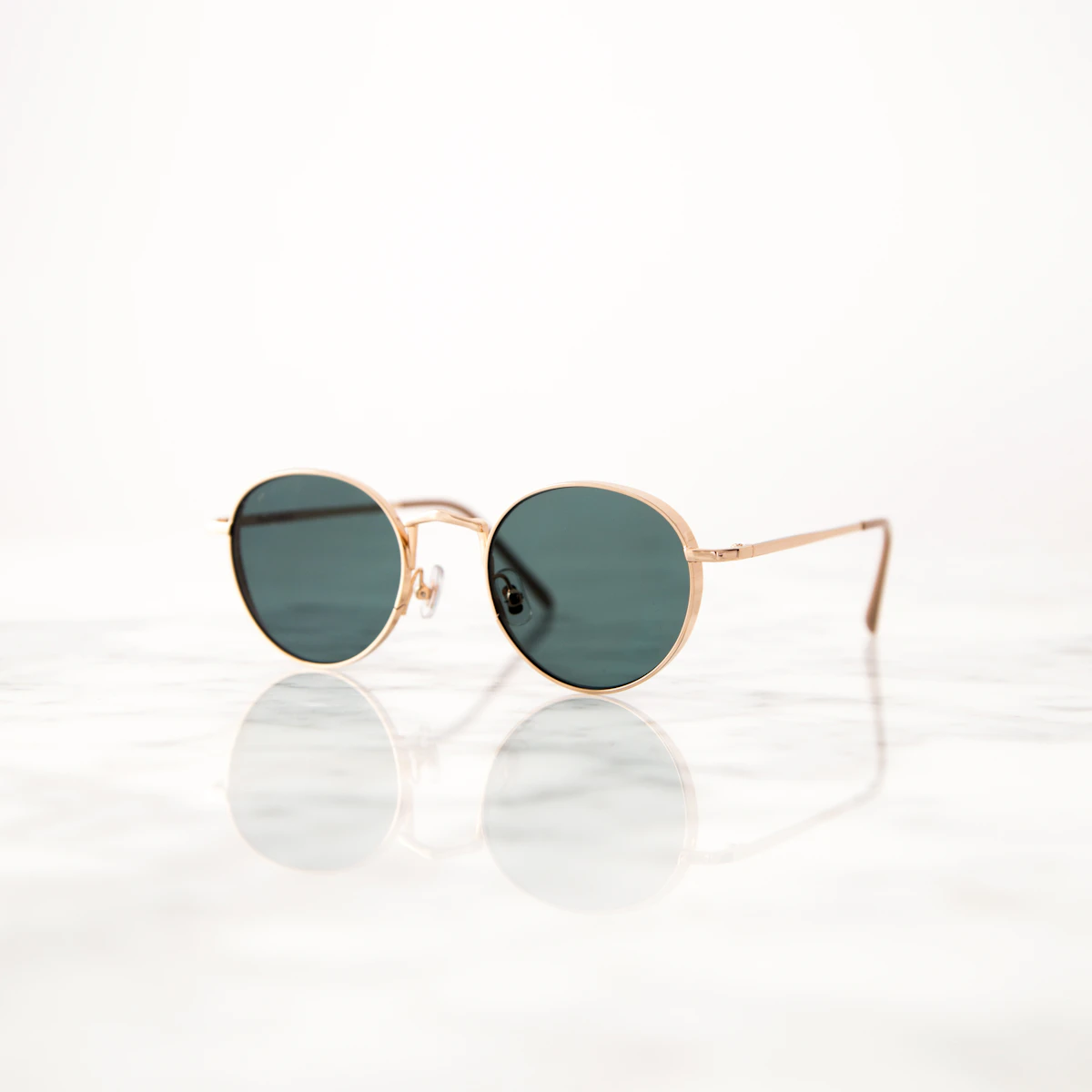
No other accessory sits directly at the center of human communication quite like a pair of sunglasses. Positioned right over the brow line and cheekbones, eyewear acts as architectural framing for the face. A difference of just two millimeters in bridge width or lens height can alter how angular a jawline appears, how wide a forehead reads, and whether an outfit looks sharp and intentional or slightly off-balance.
Yet shopping for sunglasses often feels frustrating because frames that look striking on a retail display shelf can sit crookedly, pinch the nose bridge, or overwhelm your features once worn. The secret to choosing flattering eyewear lies in understanding two complementary principles: geometric opposition (balancing soft facial contours with structured angles, and vice versa) and proportionate scale (matching frame width and acetate gauge to your bone structure).
Step One: Identifying Your Facial Geometry
Before evaluating frame silhouettes, stand in front of a mirror with your hair pulled back from your temples and assess three horizontal measurements—forehead width, cheekbone width, and jawline width—alongside your overall vertical face length:
- Round Face: Cheekbones and face length measure nearly equal, with soft, curved cheek contours and a rounded chin devoid of sharp angles.
- Square Face: Forehead, cheekbones, and jawline share a similar width, anchored by a strong, horizontal jaw angle and a broad brow.
- Oval Face: Face length is roughly one-and-a-half times the width of the cheekbones, with a gently rounded jawline that is slightly narrower than the temples.
- Heart / Inverted Triangle Face: The widest point sits across the forehead and temples, tapering steadily downward to a narrow, defined chin.
- Oblong / Rectangular Face: Noticeably longer than it is wide, featuring straight cheek lines and a tall forehead.
Matching Frame Silhouettes to Face Shapes
Once you recognize your dominant facial lines, apply geometric contrast to create visual equilibrium.
| Face Shape | Primary Proportional Goal | Best Sunglasses Silhouettes | Styles to Avoid |
|---|---|---|---|
| Round | Add angular definition and lengthen the face visually | Square wayfarers, rectangular D-frames, sharp geometric browlines, angular cat-eyes | Small round John Lennon wire frames, curved sporty wraps |
| Square | Soften strong jaw angles and introduce curved fluidity | Round P3 pantos frames, classic tear-drop aviators, oval acetate silhouettes | Boxy, sharp-cornered square frames with thick flat brow bars |
| Oval | Maintain natural balance without extending width or height excessively | Virtually any silhouette: square, aviator, retro round, clubmaster, or soft cat-eye | Oversized shield frames that cover the entire cheekbone-to-brow span |
| Heart / Triangle | Draw visual weight downward and balance a broader forehead | Bottom-heavy aviators, keyhole-bridge round frames, rimless or light wire-frame silhouettes | Top-heavy browline frames or wide, winged cat-eyes that widen the temples |
| Oblong / Long | Break up vertical length and add horizontal presence | Tall-lens wayfarers, oversized vintage squares, thick acetate frames with decorative temple hinges | Narrow, shallow micro-rectangles that emphasize vertical length |
Reading the Numbers Stamped Inside the Temple Arm
Every quality pair of sunglasses features three numbers stamped in millimeters on the inside of the temple arm—for example, 50 □ 21 – 145. Understanding these optical measurements saves you from ill-fitting eyewear:
- Lens Width (e.g., 46 mm – 54 mm): The horizontal diameter of a single lens. Narrow faces generally suit 46 mm to 49 mm lenses; medium faces thrive in the 50 mm to 52 mm range; broader faces require 53 mm to 56 mm lenses so the temple arms do not splay outward under tension.
- Bridge Width (e.g., 18 mm – 23 mm): The gap between the lenses resting over your nose. Pay close attention to saddle bridges (a smooth curve that distributes weight evenly across higher, narrower nose bridges) versus keyhole bridges (shaped like an old-fashioned keyhole, touching only the sides of the nose and offering superior comfort and grip on flatter or wider bridges).
- Temple Length (e.g., 140 mm – 150 mm): The length of the side arm from the front hinge over the ear. The bend of the temple tip should curve directly behind the top of your ear without pressing into your mastoid bone or sliding down when you look toward the pavement.
Material Matters: Cellulose Acetate vs. Metal Wire
Beyond geometric shape, the thickness and material of the frame dictate its visual weight—a concept just as critical in eyewear as it is when you choose footwear that complements your outfit.
Mazzucchelli and Bio-Acetate Frames
Derived from cotton cellulose fibers and wood pulp rather than brittle injection-molded petroleum plastic, high-grade cellulose acetate offers rich depth of color (such as Havana tortoiseshell, amber honey, and translucent champagne) and contains an internal metal wire core that allows an optician to heat-adjust the temples to your exact head contour. Thick 6 mm to 8 mm milled acetate acts as a bold statement accessory, ideal for anchoring minimalist outfits alongside accessories that can transform a simple outfit.
Titanium and Monel Metal Frames
Ultra-lightweight titanium and gold-plated wire frames sit with minimal visual weight on the face. Because thin metal rims let your natural brow line and skin tone show through, they are exceptional for smaller faces or formal tailoring where a heavy black plastic frame might feel overpowering. Furthermore, adjustable silicone or titanium nose pads make metal frames infinitely customizable for low nose bridges. When styling metal frames, coordinate the gold, silver, or gunmetal finish with your wristwatch case—see our guide on how to style watches with different outfits—or blend them using our jewellery styling tips for everyday outfits.
Lens Tints, Polarization, and UV Protection
Never confuse dark lens tinting with ultraviolet eye protection. A dark lens without UV filtering actually causes your pupil to dilate wider, allowing more harmful radiation into the retina if the lens lacks proper optical coatings.
- Always Verify UV400 (100% UVA/UVB) Rating: Ensure the lenses block wavelengths up to 400 nanometers, regardless of how light or dark the tint appears.
- Choose Tints by Environment and Skin Undertone:
- G-15 Green and Grey Lenses: Reduce overall brightness without distorting natural color perception, ideal for driving and bright midday sun.
- Warm Brown and Amber Lenses: Enhance contrast and depth perception against blue skies and greenery while warming up golden or olive skin tones.
- Gradient Tints (Dark Top to Light Bottom): Shield the eyes from overhead sunlight while allowing a clear view of a dashboard, book, or café menu below—adding an unmistakable editorial sophistication to smart-casual looks.
Conclusion
Finding the right sunglasses is a balance of optical engineering and facial geometry. By contrasting your natural bone structure with the right frame silhouette, checking the millimeter markings on the temple arm, and selecting acetate or metal tones that complement your skin and wardrobe, a single great pair of sunglasses will sharpen every outfit you wear year-round. Explore more styling guides across our Accessories & Jewellery section.
Shivam
Shivam is the Menswear, Footwear & Style Contributor at The Fashion Edit. Blending a sharp eye for classic sartorial tailoring with deep roots in global sneaker and streetwear culture, he writes practical, no-nonsense guides on building resilient wardrobes, evaluating garment construction, and navigating online and archival fashion retail without overspending.
Related Fashion Stories
How to Choose the Right Handbag for Every Occasion
An architectural guide to leather grains, strap drop lengths, hardware finishes, and silhouettes—from work totes and saddle crossbodies to sculptural evening clutches.

How to Style Watches With Different Outfits
Understanding case diameter, lug-to-lug proportions, leather straps versus steel bracelets, and how to pair dress, field, and dive watches with your wardrobe.
Jewellery Styling Tips for Everyday Outfits
How to layer necklaces by chain weight, balance hoop proportions with collarlines, stack rings without clutter, and mix gold and silver tones intentionally.