Sustainable Fashion: Building a More Responsible Wardrobe
Move beyond greenwashing with a practical framework for fiber literacy, low-impact laundering, visible mending, and extending the active lifecycle of every garment.

“The most sustainable garment is the one already hanging in your closet—cared for, tailored to fit, and worn across seasons with fresh intention.”
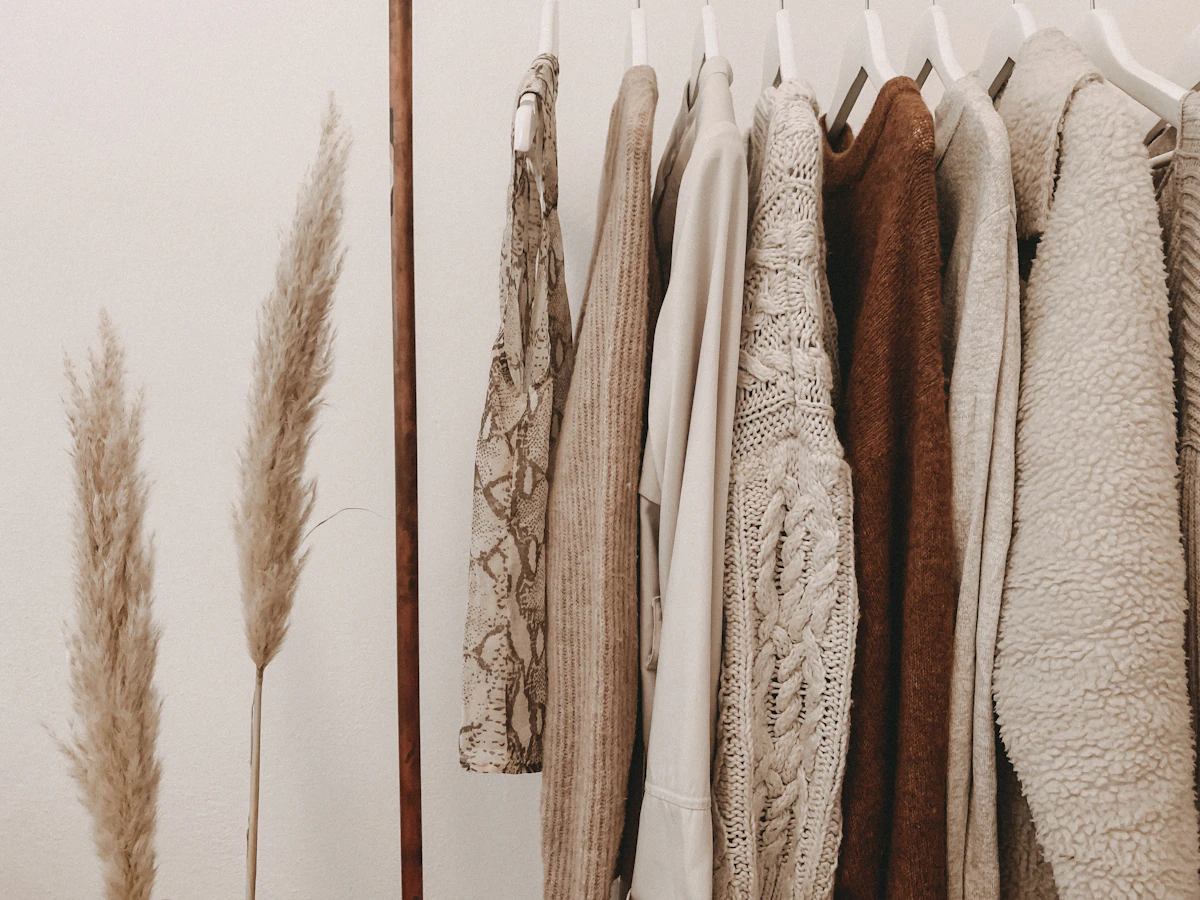
Walk down any high street or browse any major e-commerce storefront today, and you will be greeted by a sea of kraft-paper hangtags, leafy green icons, and vague promises of “conscious collections.” Yet despite the proliferation of eco-friendly marketing terminology, global textile production and post-consumer garment waste continue to climb. For the thoughtful dresser, navigating this landscape requires looking past surface-level slogans and developing a grounded, practical understanding of how clothes are made, how fibers behave over time, and how our daily maintenance habits determine a garment’s true environmental footprint.
Building a more responsible wardrobe is not about achieving ascetic perfection or throwing out every synthetic item you currently own in order to buy an expensive new “eco” wardrobe from scratch—in fact, doing so would defeat the purpose entirely. At The Fashion Edit, we view sustainability through the lens of longevity, material integrity, and stewardship. When you buy fewer, better-constructed garments, launder them gently, repair them when threads loosen, and wear them for a decade instead of a season, sustainability and extraordinary personal style become one and the same.
The Hierarchy of Conscious Dressing
Before examining fabric compositions or third-party certifications, it helps to ground your wardrobe strategy in the “Buyerarchy of Needs.” Too often, conversations around sustainable fashion focus exclusively on the point of purchase—swapping one brand for another—while ignoring the vast potential sitting inside our existing closets.
1. Wear and Restyle What You Already Own
Extending the active wearing life of a garment from one year to just two years reduces its combined carbon, water, and waste footprint by nearly a quarter. Before assuming your wardrobe feels stale because you lack new clothes, spend an afternoon experimenting with unfamiliar combinations. Pair tailored pieces with casual rugged layers, swap the buttons on an old cardigan to horn or mother-of-pearl, or take an ill-fitting pair of trousers to a local tailor to adjust the hem and waist. Often, a minor alteration transforms an ignored hanger-dweller into a weekly staple, a principle we explore further in our guide to creating a minimalist wardrobe.
2. Secondhand, Vintage, and Archival Sourcing
When a genuine wardrobe gap emerges—say, a heavyweight wool overcoat for winter or a crisp 100% silk blouse—the secondary market should be your first stop. Heritage menswear and womenswear produced decades ago frequently feature denser fabric weaves, generous seam allowances made for alterations, and sturdy Bemberg cupro linings that are rare at contemporary mid-market price points. Learning your exact flat garment measurements makes shopping for fashion online across vintage and resale platforms remarkably reliable.
Fiber Literacy: Reading the Interior Care Tag
When you do purchase new garments, the interior composition label tells a far more honest story than the marketing copy on the hangtag. Understanding how different fibers are grown, processed, and recycled empowers you to choose textiles that age gracefully rather than pilling or losing their shape after three washes.
| Fiber Category | Top Responsible Choices | What to Look For on the Label | Care & Longevity Notes |
|---|---|---|---|
| Cellulosic (Plant) | Linen (Flax), Hemp, Organic Cotton | GOTS Certified, European Flax, long-staple or combed cotton | Softens with every wash; line-dry out of direct harsh sun to preserve tensile strength |
| Protein (Animal) | Merino Wool, Recycled Wool, Peace Silk | RWS (Responsible Wool Standard), ZQ Merino, mono-material 100% wool | Naturally odor-resistant; air out between wears on wide cedar hangers instead of frequent washing |
| Regenerated Cellulose | Tencel Lyocell, Modal, Cupro | Lenzing Tencel (closed-loop solvent spinning), FSC-certified wood pulp | Silky drape and breathable; wash in cold water inside a mesh bag to prevent wet abrasion |
| Synthetics | Recycled Nylon (Econyl), Recycled Polyester | GRS (Global Recycled Standard); restrict to technical outerwear and swimwear | Wash cold with a microfiber-catching laundry bag or filter to minimize microplastic shedding |
Avoiding the Blended-Fiber Trap
One of the biggest obstacles to textile circularity is the intimate blending of natural and synthetic fibers—for example, a sweater composed of 45% acrylic, 30% polyamide, 15% wool, and 10% alpaca. Not only do high-synthetic knitwear blends pill rapidly due to short fibers migrating and tangling on the surface, but they are also nearly impossible to mechanically recycle at the end of their life. Whenever possible, prioritize mono-material garments (such as 100% wool, 100% linen, or 100% organic cotton). Only seek out small percentages of elastane (1% to 2%) in garments where stretch recovery is structurally necessary, such as sock cuffs or slim-fit denim.
Low-Impact Garment Care: Where Sustainability Lives Day-to-Day
Life-cycle assessments consistently reveal that a massive portion of a garment’s total energy and water impact occurs after you bring it home, driven by overly frequent hot-water washing and high-heat tumble drying. Worse still, aggressive laundering is the primary culprit behind faded dyes, shrunk knitwear, and warped collars.
Adopt the “Air, Brush, and Spot-Clean” Routine
- Steam and air out natural fibers: Wool, cashmere, and raw denim do not need to be submerged in detergent after every single wear. Hang wool trousers and blazers in a well-ventilated room overnight; the natural crimp and lanolin content of wool fibers release odors and light creases on their own.
- Invest in a clothing brush: A soft boar-bristle garment brush sweeps away surface dust, pollen, and lint trapped between wool weaves before they can settle into the yarn and attract clothes moths.
- Wash at 30°C (Cold) and skip the dryer: Modern plant-based liquid detergents clean effectively in cold water. Air-drying garments flat on a mesh rack or hung on contoured wooden hangers prevents the thermal shock and mechanical tumbling that break cotton and linen fibers down prematurely—saving both electricity and your wardrobe budget, a dual benefit we highlight in how to shop smart without overspending.
The Art of Preventive Maintenance and Mending
Keep a compact repair kit in your wardrobe drawer containing a fabric shaver (or sweater stone), a needle and thread in neutral shades, spare shirt buttons, and cedar blocks. Catching a loose button thread before the button falls off on a crowded train takes ninety seconds. Reinforcement stitching along pocket corners, darning a thin spot on the heel of a merino sock, or having a cobbler apply a protective rubber Topy sole to leather dress shoes before their first winter wear adds years to your investments.
Conclusion: Progress Over Perfection
Shifting toward a more responsible relationship with fashion is a gradual evolution of habits within Fashion Lifestyle. Every time you walk away from a poorly sewn impulse buy, mend a split seam, air-dry a linen shirt, or choose a timeless silhouette from our capsule wardrobe blueprint, you cast a vote for craft, durability, and quiet confidence. Wear your clothes hard, care for them well, and let them tell the story of a life thoughtfully lived.
Tanisha
Tanisha is the Senior Fashion & Beauty Editor at The Fashion Edit. With over eight years of experience in fashion journalism, runway critique, and textile curation, she specializes in translating directional couture concepts into wearable everyday silhouettes. Her coverage spans women’s wardrobe architecture, modern Indian and global ethnic craftsmanship, dermatology-informed skincare routines, and fine jewellery styling.
Related Fashion Stories
How to Create a Minimalist Wardrobe
Why true minimalism is never boring: combining tonal depth, contrasting surface textures, and architectural proportions to dress effortlessly with fewer pieces.

How to Develop Your Own Personal Fashion Style
Step off the trend treadmill by defining your three style words, analyzing your lifestyle time-split, and identifying the silhouettes you reach for instinctively.

How Fashion Influencers Are Changing Personal Style
Examining the shift from fast-moving micro-aesthetics to archival curation, transparent wardrobe cost-per-wear diaries, and subcultural digital style communities.