How Fashion Influencers Are Changing Personal Style
Examining the shift from fast-moving micro-aesthetics to archival curation, transparent wardrobe cost-per-wear diaries, and subcultural digital style communities.


For well over a decade, the term “fashion influencer” conjured a very specific image: a creator posing against a neoclassical façade during fashion week, wearing a head-to-toe look gifted that morning and tagged for immediate purchase. While that commercial ecosystem still exists, the cultural gravity of digital style has shifted dramatically. Today, the most resonant voices in online fashion are no longer human mannequins broadcasting transient micro-trends. Instead, they are archival historians, tailoring enthusiasts, wardrobe data trackers, and subcultural curators who treat getting dressed as an ongoing creative practice rather than a weekly haul.
At The Fashion Edit, we have watched this evolution reshape how readers approach their own closets. Rather than encouraging audiences to replace their entire aesthetic every ninety days, the new vanguard of digital style creators is teaching people how to look at clothes—how to evaluate shoulder construction, how to style the same pair of pleated wool trousers five ways across three seasons, and how to develop a visual vocabulary that outlasts algorithmic hype.
From Micro-Aesthetics to Archival Depth
Between 2020 and 2024, social feeds were dominated by hyper-specific “-core” aesthetics that flared up and burned out in weeks. That rapid-fire cycle left many dressers with disjointed wardrobes full of novelty pieces that felt dated after two wears. In response, a counter-movement took hold across long-form newsletters, video essays, and community forums: a return to garment literacy and archival context.
The Rise of the Digital Fashion Historian
A growing cohort of creators now dedicates their platforms to unpacking the lineage of contemporary silhouettes. When a major luxury house sends a dropped-waist coat or a raw-edge boiled wool blazer down the runway, archival commentators trace its DNA back to 1980s Japanese avant-garde tailoring, 1990s Antwerp deconstruction, or mid-century British military surplus.
This educational lens changes how everyday shoppers consume fashion. When you understand why a saddle shoulder drapes differently than a set-in sleeve, or how a 1950s balmacaan coat was engineered to layer over heavy tweed, you stop buying clothes simply because an algorithm surfaced them. You start collecting silhouettes that serve a functional and aesthetic purpose in your daily rotation—a core pillar of developing your own personal fashion style.
De-Influencing and the Transparency of Repeat Wear
Alongside historical analysis, the “wardrobe diary” format has replaced the traditional unboxing haul as the gold standard of style credibility. Creators now document 30-day outfit logs, quarterly cost-per-wear spreadsheets, and annual wardrobe audits. Seeing an admired stylist wear the exact same pair of broken-in cordovan loafers, faded straight-leg denim, and charcoal cashmere crewneck eighteen times in a single autumn normalizes outfit repeating. It proves that personal style is forged through friction and familiarity—the way a leather belt molds to your waist or a heavy linen shirt softens after twenty washes—rather than perpetual novelty.
How the Influencer Ecosystem Has Evolved
To understand how digital creators impact your wardrobe decisions today, it helps to distinguish between the old broadcast model and the emerging curation model within Fashion Lifestyle.
| Dimension | Legacy Haul Culture | Modern Style Curation |
|---|---|---|
| Primary Format | Unboxing hauls, affiliate link roundups, single-wear outfit photos | 7-days-7-ways logs, fabric breakdowns, tailoring reviews, substack essays |
| Relationship to Trends | Rapid adoption of fleeting micro-aesthetics | Selective integration of runway ideas into an existing uniform |
| Garment Lifespan | Worn once or twice for content, then cycled out | Tracked over years; focus on patina, alterations, and seasonal restyling |
| Value to the Viewer | Immediate product discovery and discount codes | Styling mechanics, proportion theory, and long-term wardrobe strategy |
| Core Metric of Taste | Access to new-season releases and gifted showroom pulls | Ability to mix vintage, high-street basics, and investment tailoring |
Three Ways to Use Digital Style Inspiration Without Losing Your Identity
Consuming fashion media can either sharpen your sartorial instincts or overwhelm you with visual noise. The difference lies in how you filter what you see on screen before it ever reaches your shopping cart.
1. Study the Styling Mechanics, Not Just the SKU
When you save an outfit photograph that stops you mid-scroll, resist the urge to immediately search for the exact brand of the jacket. Instead, dissect the formula of the outfit:
- Proportion balance: Is a cropped, boxy outerwear piece paired with a high-waisted, wide-leg trouser to elongate the lower half?
- Textural friction: Does the look work because a rough, hairy Shetland knit is juxtaposed against smooth, crisp cotton poplin and polished calfskin?
- Color temperature: Are the neutrals anchored in warm earth tones (espresso, camel, ecru) or cool urban tones (charcoal, slate, icy grey)?
- Finishing details: Notice how the sleeves are cuffed, whether the shirt is full-tucked or French-tucked, and how sock color bridges the gap between trouser hem and shoe.
Nine times out of ten, you can recreate the exact visual tension of an inspiring street-style photograph using garments that are already hanging in your closet—a foundational habit for anyone exploring how to create a minimalist wardrobe.
2. Follow Creators With Divergent Body Types and Climates—For Different Reasons
One of the most common pitfalls of digital style discovery is buying a garment that looked effortless on a creator living in a mild Mediterranean climate, only to realize it is completely impractical for a rainy, wind-swept commute or a humid summer. Divide the people you follow into two distinct mental categories:
- Aesthetic north stars: Creators whose color palettes, cultural references, and mood-boarding inspire your creative eye, regardless of whether you share their climate or daily routine.
- Practical mirrors: Stylists who share your approximate height, body proportions, and weather realities. Turn to these voices when evaluating how a specific trouser rise sits on the hip or how a heavy overcoat performs in winter slush.
3. Build a Private Visual Reference Library
Rather than letting saved posts pile up in an unsorted social media folder, curate a dedicated seasonal album on your phone or desktop. Before each change of season, review the thirty or forty images you saved over the past three months. Look for recurring patterns. If twelve of those saved looks feature a dark brown suede belt, a relaxed chambray shirt, or a mid-calf A-line skirt, your subconscious has already identified the missing bridge piece in your wardrobe. You can then apply our framework on how to shop smart without overspending to source that single item with precision.
The Rise of Niche Subcultural Communities
Perhaps the most refreshing development in modern style media is the decentralization of taste. We no longer live in a monoculture where three magazine mastheads dictate a single hemline for the entire globe. In pockets of the internet dedicated to heritage workwear, Japanese Ivy League (“Ametora”), minimalist architectural dressing, and artisanal slow fashion, enthusiasts trade deep-dive knowledge on ring-spun denim weights, Goodyear-welt resole cobblers, and regional wool mills.
These micro-communities foster a healthier, more sustainable relationship with clothing—one that aligns closely with building a more responsible sustainable wardrobe. When clothes are appreciated as objects of craft, design history, and personal utility, the pressure to perform for an invisible audience fades away.
Conclusion: Curating Your Feed Like You Curate Your Closet
Ultimately, digital fashion creators are at their best when they act as sparring partners for your own taste rather than dictators of it. Audit your media diet with the same rigor you apply to your coat rack. Unfollow accounts that trigger a sense of scarcity or urgency to buy, and seek out voices that make you excited to open your wardrobe doors tomorrow morning and experiment with what you already own. True personal style is never downloaded whole from a screen—it is edited, worn in, and lived out in the real world.
Shivam
Shivam is the Menswear, Footwear & Style Contributor at The Fashion Edit. Blending a sharp eye for classic sartorial tailoring with deep roots in global sneaker and streetwear culture, he writes practical, no-nonsense guides on building resilient wardrobes, evaluating garment construction, and navigating online and archival fashion retail without overspending.
Related Fashion Stories

Fashion Travel Essentials for Your Next Trip
The 5-4-3-2-1 carry-on packing matrix: choosing high-twist wools, breathable linens, and versatile footwear that transition from long-haul flights to dinner reservations.
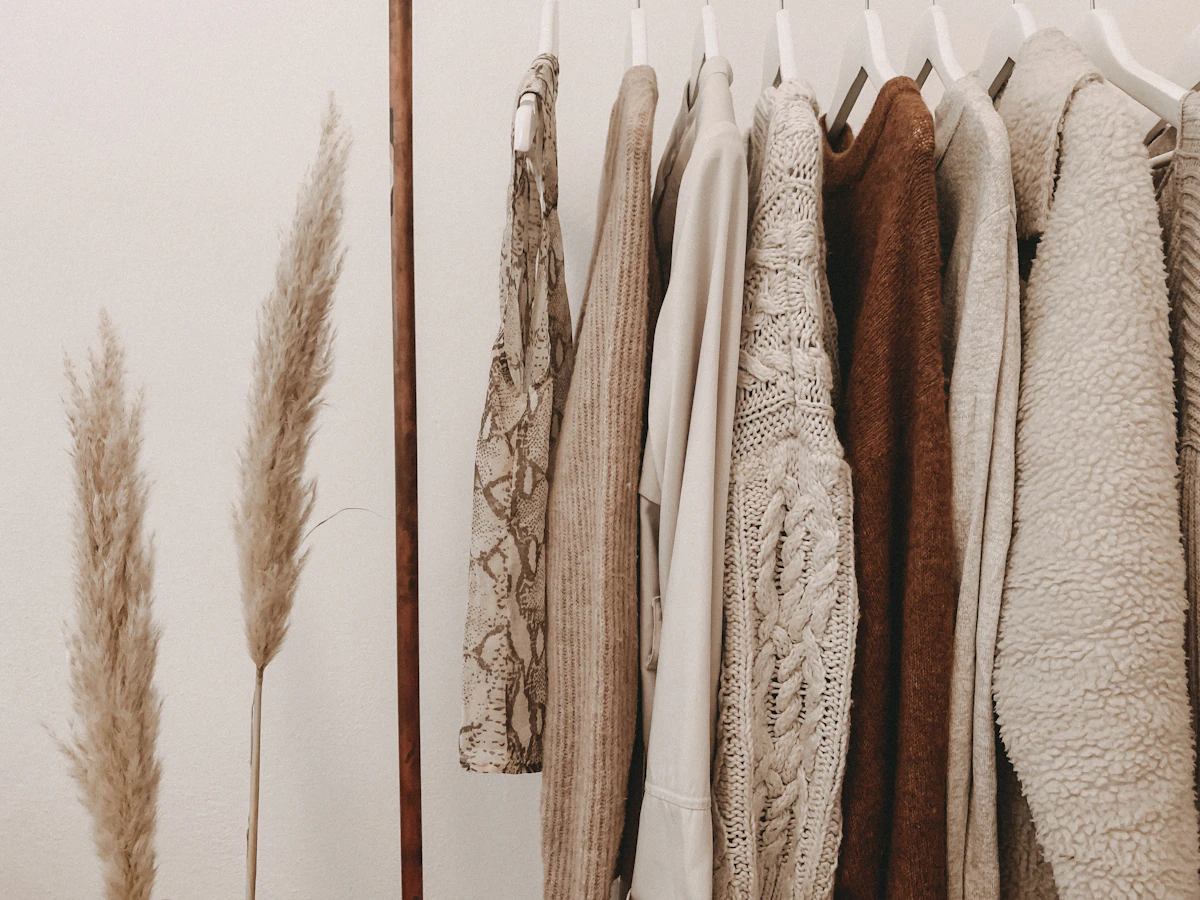
Sustainable Fashion: Building a More Responsible Wardrobe
Move beyond greenwashing with a practical framework for fiber literacy, low-impact laundering, visible mending, and extending the active lifecycle of every garment.
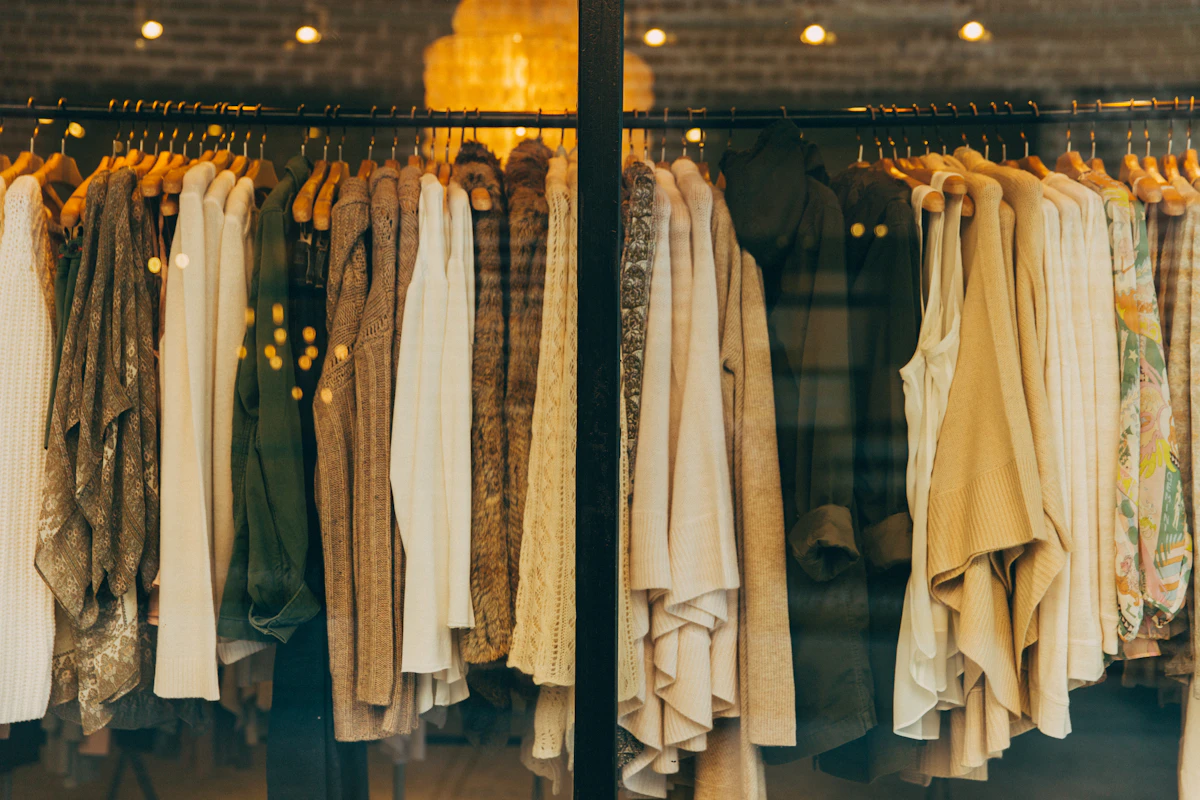
How to Create a Minimalist Wardrobe
Why true minimalism is never boring: combining tonal depth, contrasting surface textures, and architectural proportions to dress effortlessly with fewer pieces.