How to Develop Your Own Personal Fashion Style
Step off the trend treadmill by defining your three style words, analyzing your lifestyle time-split, and identifying the silhouettes you reach for instinctively.


We have all experienced the paradox of the overstuffed closet: standing before a rail packed so tightly that the hangers barely slide, yet feeling with absolute certainty that you have “nothing to wear.” That frustration rarely stems from a shortage of clothing. Almost always, it is a symptom of a fragmented style identity—a closet accumulated piece by piece from disparate store mannequins, seasonal sales racks, and fleeting social media impulses, with no central thread holding them together.
Developing your own personal fashion style is not about locking yourself into a rigid cartoon uniform for the rest of your life, nor does it require an unlimited luxury budget. At The Fashion Edit, we define personal style as the intersection of who you are, how you actually spend your days, and what proportions make you stand taller the moment you put them on. When you clarify those three elements, getting dressed transforms from a daily negotiation into a quiet, instinctive ritual.
Step 1: Audit Your “Repeat Offenders” (Not Your Fantasy Closet)
Most wardrobe advice begins by telling you to purge what you dislike. A far more revealing exercise is to pull out the ten garments you have worn most frequently over the past six months—excluding gym clothes and house loungewear—and lay them across your bed.
These ten pieces are your truthful baseline. Regardless of what you think your style should be, these items contain the concrete data of what you actually enjoy wearing when the alarm goes off on a Tuesday morning. Examine them closely for shared traits:
- Fabric weight and hand-feel: Do you gravitate toward crisp, structured fabrics that hold their own shape (denim, gabardine, poplin), or soft, draping textiles that move with the body (cashmere, washed linen, silk jersey)?
- Necklines and waistlines: Are nearly all of your favorite tops crewnecks and mock-necks, or open V-necks and collared button-downs? Are your go-to trousers exclusively high-rise, or mid-rise with a relaxed hip?
- Visual volume: Do you feel most confident when your silhouette is streamlined and close to the body, or when there is architectural volume and movement around your frame?
Understanding the physical geometry of your favorite clothes sets the stage for mastering how to choose clothes that suit your personal style.
Step 2: Define Your “Three Style Words” With Creative Tension
Popularized by editorial stylists and refined in modern wardrobe consulting, the Three-Word Method gives you a compass for both getting dressed in the morning and editing items out in the fitting room. The secret to choosing three effective words is ensuring they contain productive tension—rather than picking three synonyms like casual, relaxed, comfortable.
The Formula: Practical + Aspirational + Emotional
| Word Role | What It Governs | Examples of Effective Words |
|---|---|---|
| 1. The Realistic Anchor | Derived directly from your 10 most-worn garments and practical daily needs | Tailored, Relaxed, Utilitarian, Classic, Minimalist, Sporty |
| 2. The Aspirational Aesthetic | The visual direction or cultural mood you are drawn to in photography, film, and art | Architectural,70s-Editorial, Heritage, Parisian, Avant-Garde, Coastal |
| 3. The Emotional / Texture Note | How you want to feel in your clothes and the sensory edge that finishes the look | Polished, Effortless, Undone, Sharp, Tactile, Playful |
Look at how this plays out in practice. Suppose your three words are Relaxed, Tailored, Tactile. If you start putting on an outfit of wide-leg pleated wool trousers (Relaxed + Tailored) and a crisp cotton shirt (Tailored), the outfit matches two of your words but feels slightly too corporate. To bring in your third word (Tactile), you swap a smooth calfskin belt for woven suede, unbutton the top two collar buttons, cuff the sleeves above the wrist, and add a chunky brushed-silver ring. Suddenly, the outfit has signature tension.
Step 3: Align Your Closet With Your Lifestyle Time-Split
One of the most common reasons a wardrobe fails in practice is a mismatch between how we allocate our budget and how we spend our 168 hours each week. Many people spend 40% of their clothing budget on occasionwear, cocktail dresses, or ultra-formal tailoring that accounts for less than 5% of their actual calendar, while neglecting the smart-casual or work-from-studio categories they live in five days a week.
Sketch a simple pie chart of a typical month:
- Work / Professional environment (e.g., 50%): Does your office require sharp suiting, creative smart-casual, or camera-ready tops paired with comfortable trousers?
- Off-duty / Weekend errands & city walks (e.g., 35%): This is where elevated knitwear, great outerwear, and versatile footwear earn the lowest cost per wear.
- Evening dinners, cultural events & social occasions (e.g., 10%): Focus on high-impact layers, silk separates, or statement accessories that elevate your daytime anchors.
- Active / Travel / Rest (e.g., 5%): Dedicated technical or travel pieces—see our guide to fashion travel essentials for your next trip.
Step 4: Establish Your Signature Finishing Cues
Think of the style icons you admire most—whether historic figures, film directors, or modern editors we discussed in how fashion influencers are changing personal style. Almost all of them possess one or two unmistakable “calling cards.” A signature detail does not need to be flamboyant; in fact, subtle signatures are often the most memorable:
- Eyewear geometry: Thick tortoiseshell acetate frames or vintage gold-wire aviators worn daily.
- Sleeve and collar habits: Always popping the back collar of a trench coat, pushing blazer sleeves to the mid-forearm, or layering a crisp white crew tee visibly beneath every crewneck sweater.
- Hardware and leather harmony: Consistently pairing warm brushed brass buckles with dark espresso suede, or cool sterling silver with black box leather.
- Scent and grooming: Treating a woody vetiver fragrance, a bold matte red lip, or neatly manicured bare nails as the invisible final layer of every outfit.
Conclusion: Let Your Style Evolve With You
Developing personal style within Fashion Lifestyle is not a destination you arrive at once and lock behind glass; it is an ongoing conversation with yourself. Take photographs of the outfits in which you felt most at ease this month, notice why they worked, and use our minimalist wardrobe principles to clear away everything that distracts from your voice. When your clothes reflect your true proportions, values, and rhythm of life, you never have to chase a trend again.
Tanisha
Tanisha is the Senior Fashion & Beauty Editor at The Fashion Edit. With over eight years of experience in fashion journalism, runway critique, and textile curation, she specializes in translating directional couture concepts into wearable everyday silhouettes. Her coverage spans women’s wardrobe architecture, modern Indian and global ethnic craftsmanship, dermatology-informed skincare routines, and fine jewellery styling.
Related Fashion Stories
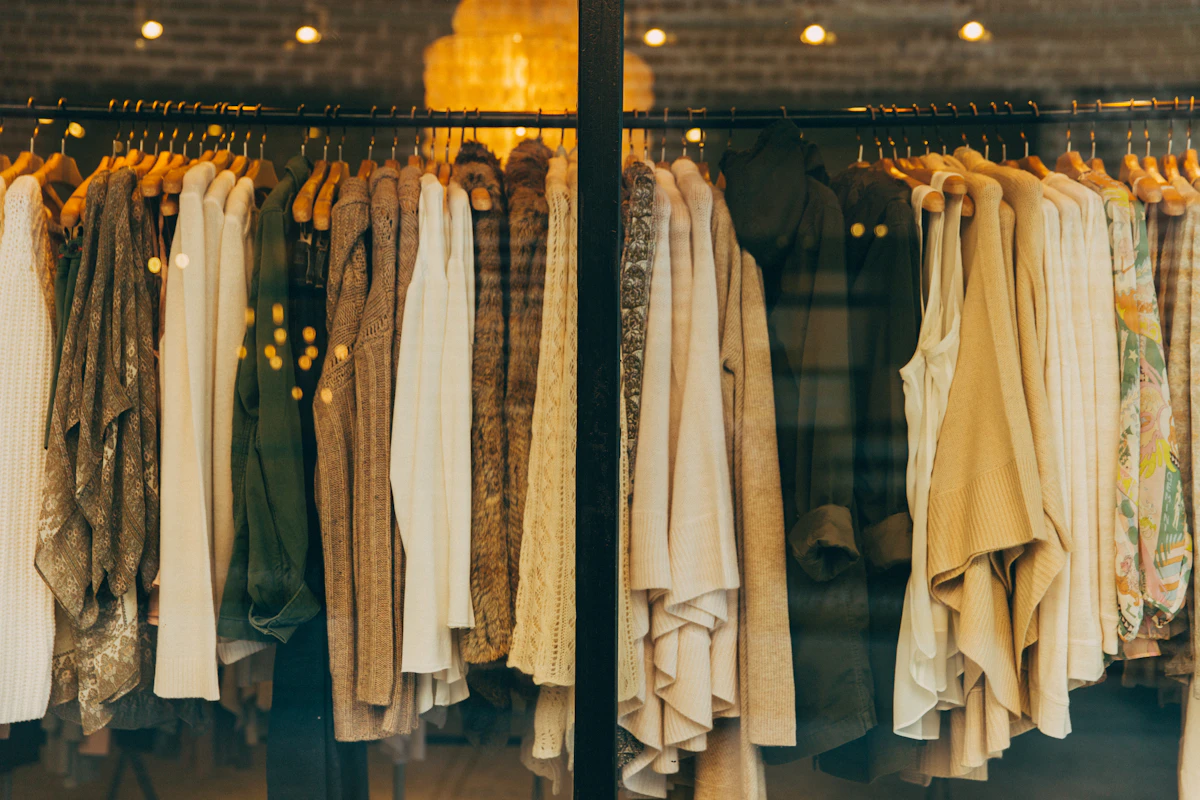
How to Create a Minimalist Wardrobe
Why true minimalism is never boring: combining tonal depth, contrasting surface textures, and architectural proportions to dress effortlessly with fewer pieces.
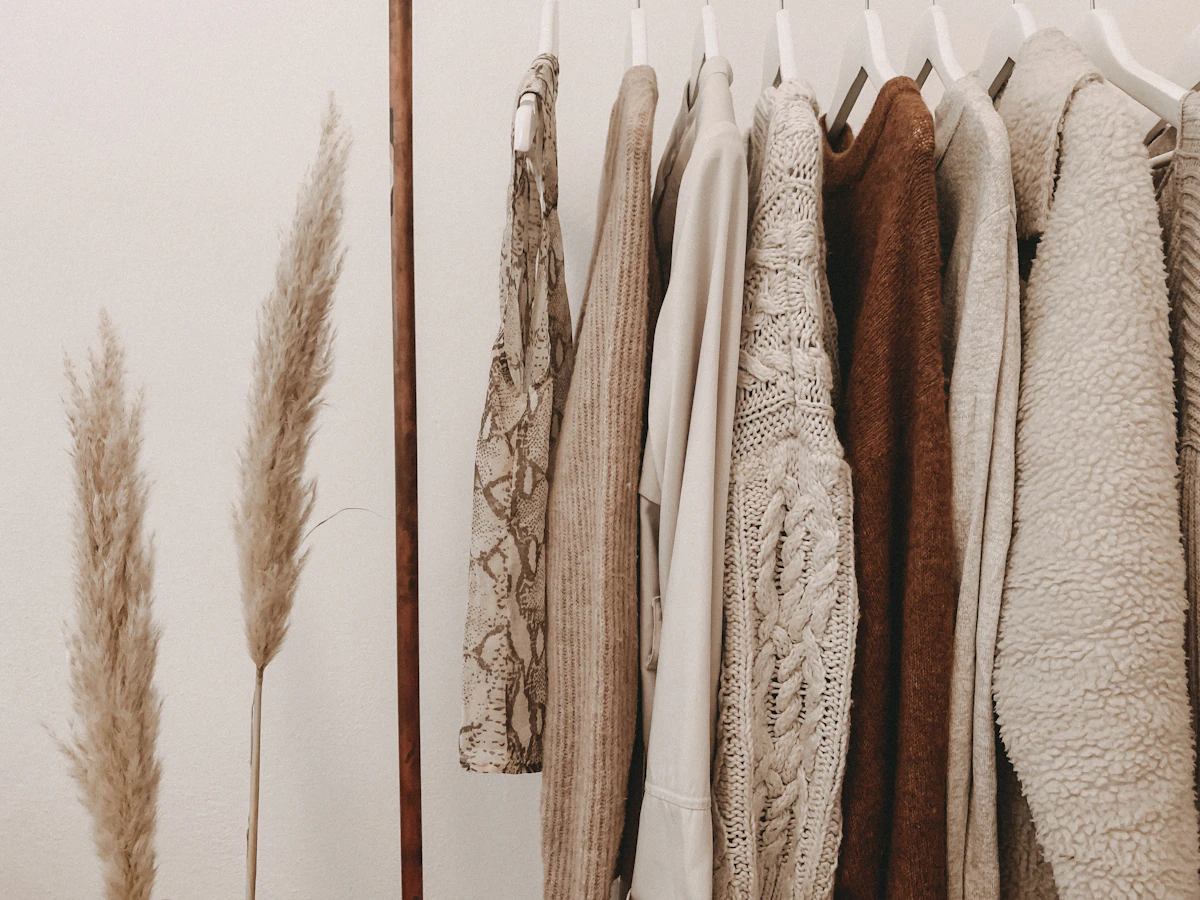
Sustainable Fashion: Building a More Responsible Wardrobe
Move beyond greenwashing with a practical framework for fiber literacy, low-impact laundering, visible mending, and extending the active lifecycle of every garment.

How Fashion Influencers Are Changing Personal Style
Examining the shift from fast-moving micro-aesthetics to archival curation, transparent wardrobe cost-per-wear diaries, and subcultural digital style communities.