A Practical Guide to Men's Formal Dressing
Everything you need to know about suit canvas construction, lapel geometry, collar spreads, trouser breaks, and formal dress codes from business suiting to black tie.


Even in an era where daily office dress codes have relaxed considerably, formal tailoring remains the ultimate benchmark of men’s fashion. Whether you are attending a milestone wedding, delivering a keynote address, or navigating a black-tie gala, a well-fitted suit projects composure and respect for the occasion. Yet because many men now wear suits less frequently, buying and styling formal wear can feel intimidating.
The secret to looking natural in tailoring lies in understanding anatomy and construction rather than price tags alone. A moderately priced off-the-rack suit in 100% worsted wool that has been adjusted by a competent alterations tailor will always outperform a luxury designer suit with buckling lapels and puddling trouser hems.
Suit Construction: Canvas, Fabrics, and Lapels
What happens inside a suit jacket determines how it drapes over your chest and how well it survives trips to the dry cleaner.
Fused vs. Half-Canvas vs. Full-Canvas
- Fused Construction: The outer wool cloth is glued to a synthetic fusible interlining using heat and pressure. Over time, humidity and dry cleaning can cause the glue to delaminate, creating tiny surface bubbles across the chest and lapels.
- Half-Canvas Construction: A layer of woven horsehair and camelhair canvas is stitched into the chest piece and lapels, while the lower half of the jacket is lightly fused. This offers the best balance of price, breathability, and a natural three-dimensional lapel roll.
- Full-Canvas Construction: Floating horsehair canvas runs the entire length of the jacket front. As you wear the suit, body heat shapes the canvas to your exact torso contour.
Selecting Worsted Wool Weights and Weaves
Avoid suits advertised purely by sky-high “Super” numbers (such as Super 160s or 180s) for your primary wardrobe. While ultra-fine fibers feel silky, they wrinkle easily and wear through faster at the elbows and seat. Instead, choose a Super 110s or Super 120s two-ply worsted wool weighing between 260g and 310g per meter (9 to 11 oz) in a twill, sharkskin, or birdseye weave. Navy and charcoal grey remain the two non-negotiable foundations before branching into pinstripes or seasonal linen.
The Five Non-Negotiable Checkpoints of Fit
When trying on a jacket in front of a three-way mirror, focus first on the structural elements that an alterations tailor cannot easily rebuild:
- The Collar Gap: The jacket collar must rest flush against the back of your shirt collar without gaping away when you move your arms forward.
- Shoulder Seam Placement: The seam where the sleeve meets the shoulder should end precisely where your natural shoulder bone curves downward—no divots below the pad and no overhang.
- Button Stance and Waist Suppression: On a two-button jacket, the top (working) button should sit roughly half an inch to an inch above your navel. When fastened, the fabric should skim your ribs without pulling into an “X” crease.
- Jacket Length: With your arms hanging relaxed at your sides, the bottom hem of the jacket should fall right around your knuckles, fully covering the curve of your seat.
- Sleeve and Shirt Cuff Exposure: Alter the jacket sleeves so that 0.25 to 0.5 inches of your dress shirt cuff remains visible when standing upright.
Decoding Formal Dress Codes
Misinterpreting a dress code on an invitation is one of the easiest ways to feel out of place. Use this reference table to match your attire to the occasion:
| Dress Code | Suit / Jacket Requirement | Shirt & Neckwear | Footwear | Acceptable Variations |
|---|---|---|---|---|
| Black Tie | Black or midnight blue dinner jacket with silk grosgrain or satin peak/shawl lapels; matching trousers with side braid | White marcella bib or pleated dress shirt with French cuffs; black silk self-tie bow tie | Black patent leather Opera pumps or highly polished black calf Oxfords | Ivory dinner jacket in tropical climates |
| Black Tie Optional / Formal | Dark charcoal or midnight navy worsted suit (or full tuxedo) | Crisp white poplin shirt; conservative dark silk woven tie (grenadine or jacquard) | Black cap-toe calfskin Oxfords | Subtle white linen pocket square |
| Cocktail Attire | Navy, mid-grey, or subtle patterned two-piece suit | White or pale blue dress shirt; textured silk tie or open collar with pocket square | Black or dark espresso Oxfords, brogues, or monk straps | Tonal knitwear in winter evening venues |
| Business Formal | Navy or charcoal worsted wool two-piece suit | White or light blue twill/poplin shirt; silk tie | Black or dark brown cap-toe Oxfords | Conservative stripe or check shirting |
Shirt Collars, Neckties, and Proportion Harmony
A harmonious formal look requires matching the geometry of your shirt collar and necktie to your jacket lapels. Standard notch lapels measuring 3.25 to 3.5 inches wide flatter most builds. Consequently, your necktie should match that exact width at its widest blade—skinny 2-inch ties paired with classic lapels throw the chest proportions out of balance.
Choosing the Right Dress Shirt Collar
A semi-spread or cutaway collar is the most reliable all-rounder for formal suiting. Unlike a narrow point collar whose tips can curl outward, a semi-spread collar tucks its points neatly beneath the jacket lapels, keeping the collar frame crisp all day. Tie a four-in-hand knot for slight asymmetry and a natural dimple beneath the knot, or a half-Windsor if you are wearing a wider cutaway collar.
Dress Shoes and Final Preparation
Never pair square-toed or heavy rubber-lug casual shoes with formal suiting. A sleek, round-lasted black cap-toe Oxford with closed lacing is the single most versatile formal shoe in existence, seamlessly serving boardrooms, weddings, and even Black Tie Optional evenings.
If an invitation calls for a slightly more relaxed approach than a full matching suit, consult our guide on how to build a smart casual outfit to learn how to break up tailoring separates gracefully. And before stepping out the door, snip the temporary basting thread (“X” stitch) holding the jacket vents closed, remove any brand tacking labels from the left sleeve cuff, and review our men’s grooming and styling tips for a polished look so your hair, collar, and shoes look as sharp as your suit.
Shivam
Shivam is the Menswear, Footwear & Style Contributor at The Fashion Edit. Blending a sharp eye for classic sartorial tailoring with deep roots in global sneaker and streetwear culture, he writes practical, no-nonsense guides on building resilient wardrobes, evaluating garment construction, and navigating online and archival fashion retail without overspending.
Related Fashion Stories
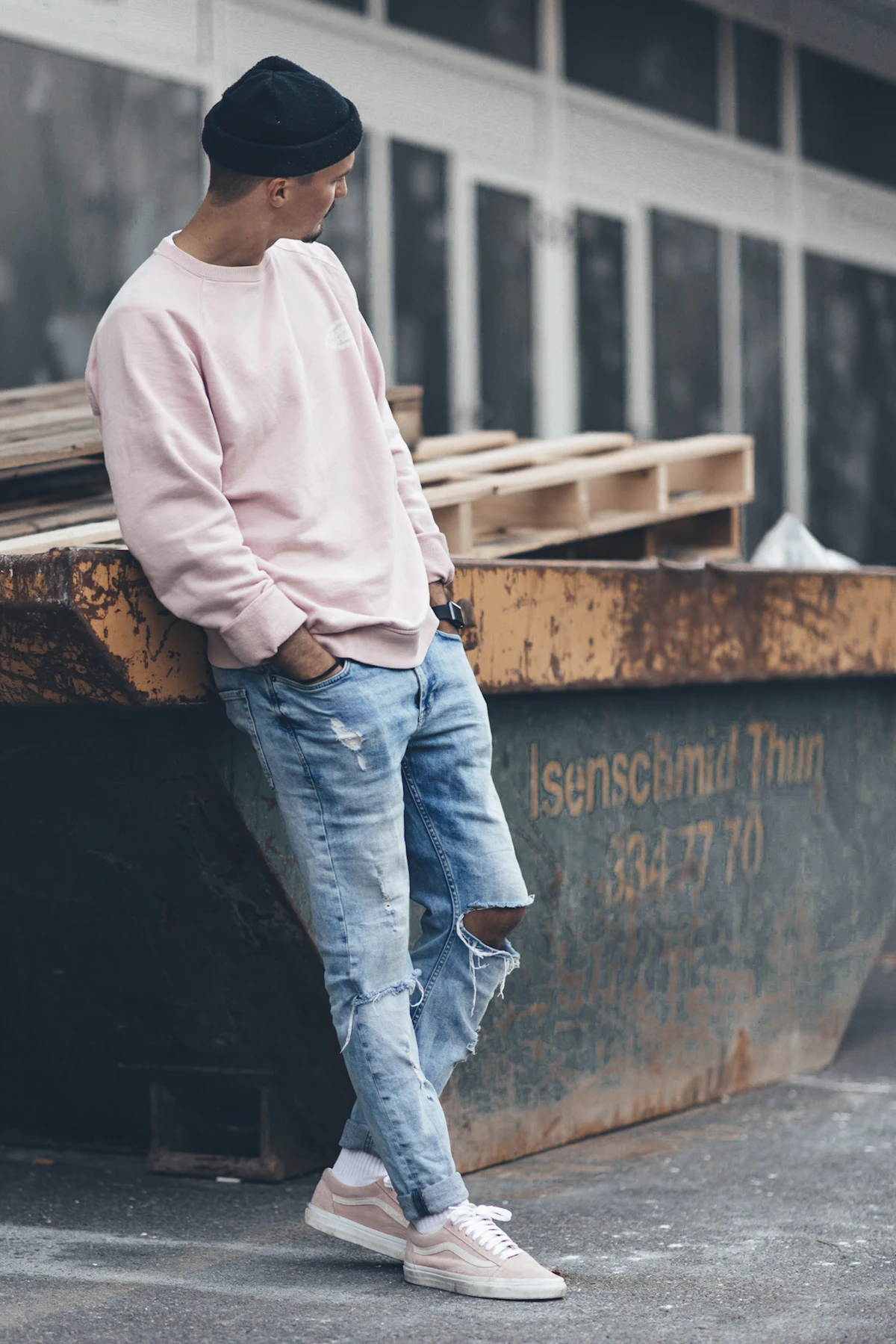
Essential Men's Wardrobe Basics for Every Season
A foundational guide to heavyweight cotton tees, Oxford cloth button-downs, selvedge denim, and weather-ready outerwear that anchor a year-round menswear closet.
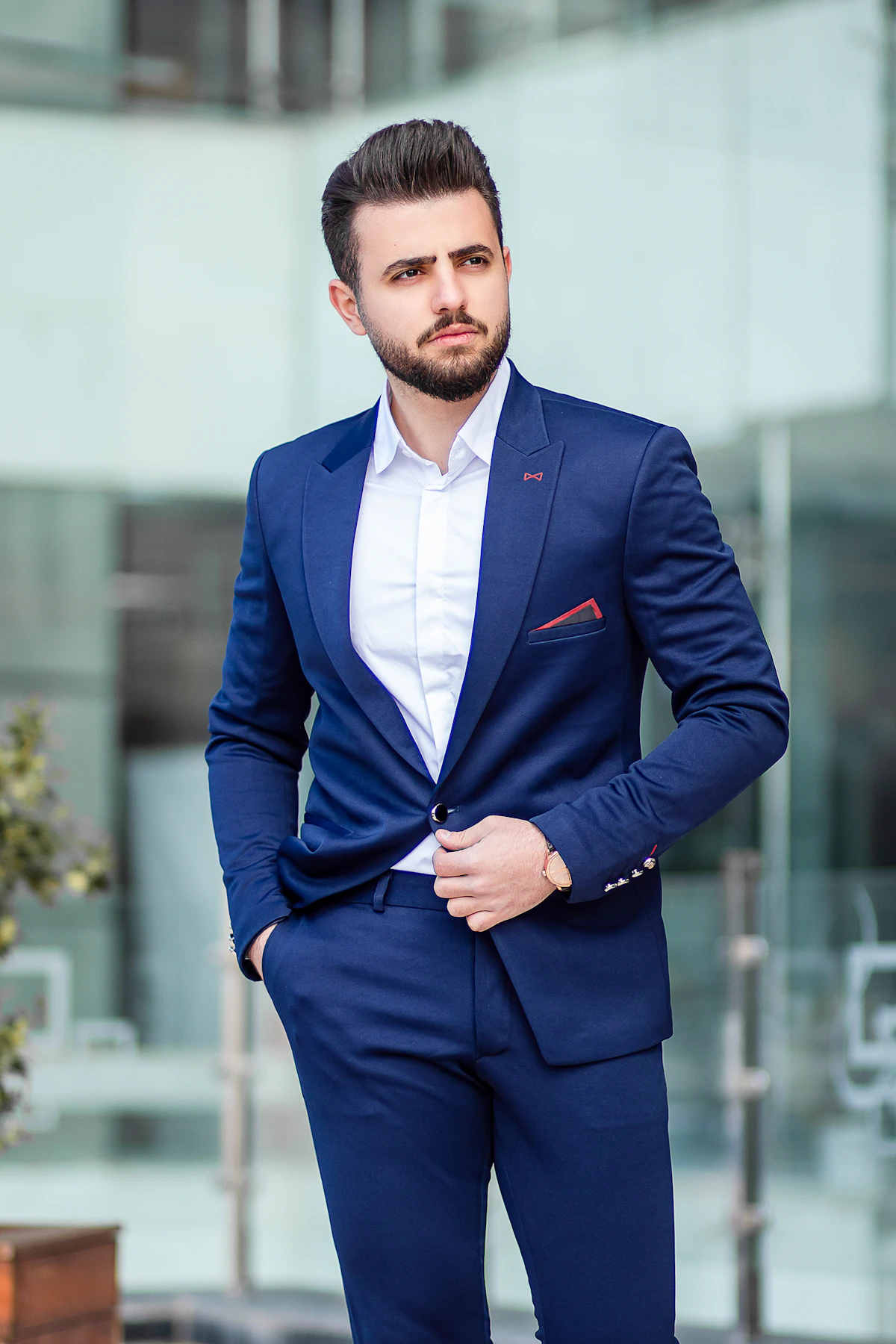
How to Build a Smart Casual Outfit
Decode the most misunderstood dress code in menswear with unstructured blazers, fine-gauge merino knitwear, pleated trousers, and leather loafers.
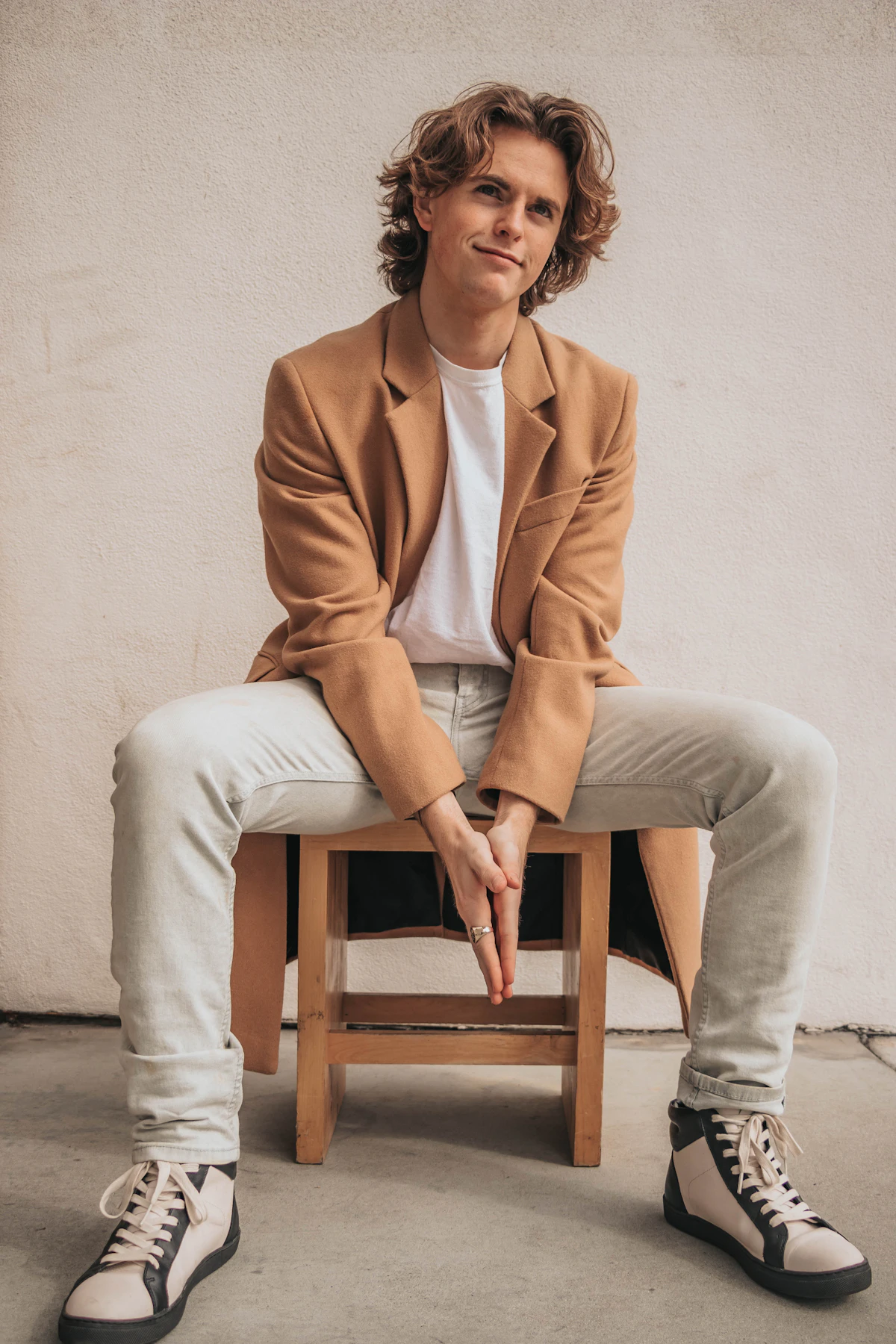
Modern Streetwear Trends for Men
How contemporary menswear blends utilitarian workwear, relaxed wide-leg proportions, technical outerwear, and archival sneaker culture into a mature silhouette.