How to Build a Smart Casual Outfit
Decode the most misunderstood dress code in menswear with unstructured blazers, fine-gauge merino knitwear, pleated trousers, and leather loafers.

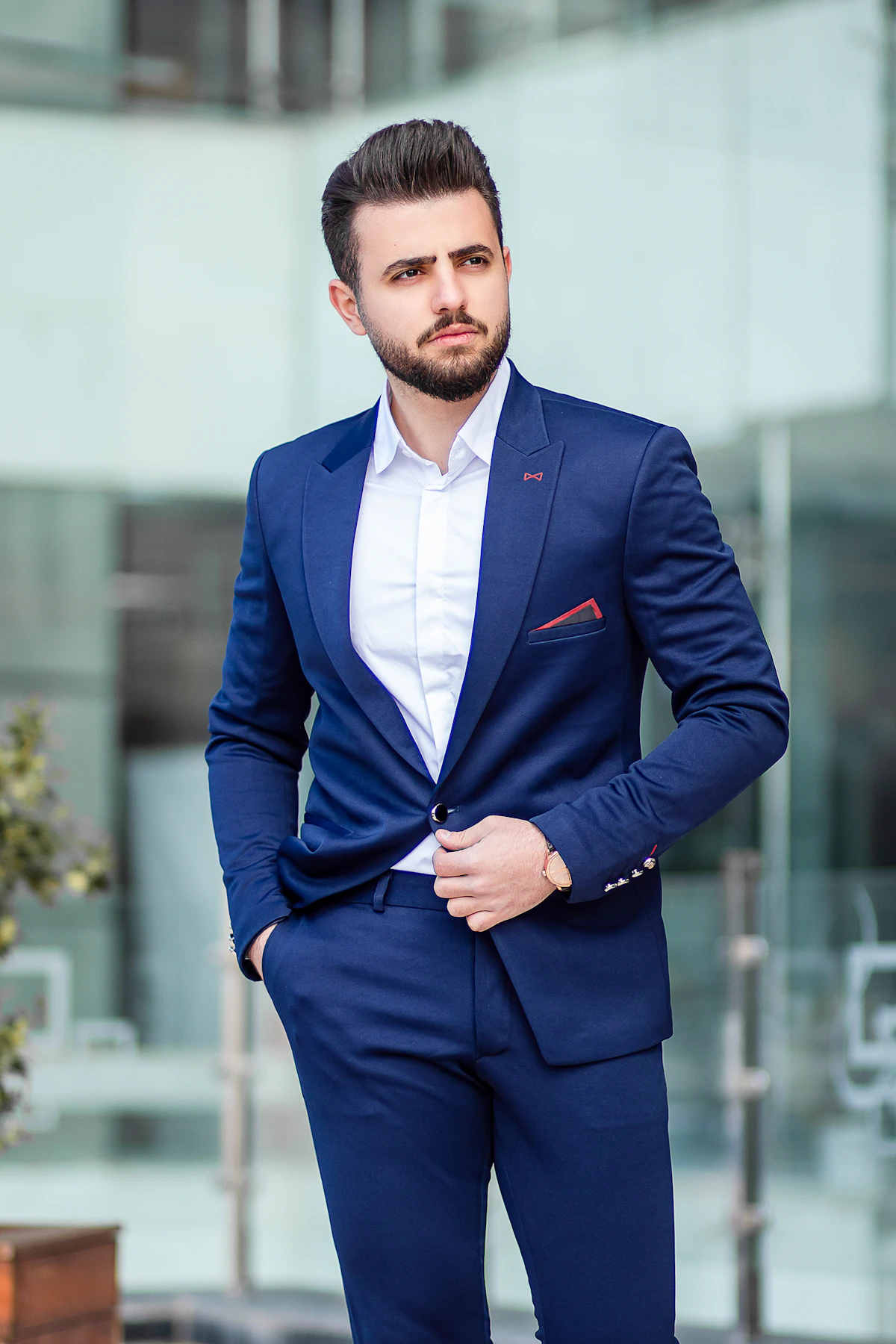
Few phrases on an invitation spark more hesitation than “smart casual.” Too formal, and you arrive looking like you walked straight out of a corporate boardroom; too relaxed, and you feel underdressed beside guests in tailored jackets. The confusion persists because smart casual is not a rigid uniform—it is a spectrum defined by texture, structure, and context.
At its core, mastering smart casual within men’s fashion means trading the stiff formality of worsted wool suits and silk ties for soft tailoring, tactile knitwear, and elevated trousers. When you understand how to swap one formal element for one relaxed counterpart while keeping your silhouette sharp, the dress code transforms from a source of anxiety into the most enjoyable way to dress.
The High-Low Principle: Balancing Formality Through Texture
The golden rule of smart casual dressing is textural equilibrium. Shiny, ultra-smooth fabrics—such as high-twist Super 130s suiting wool, broadcloth dress shirts, and patent leather—signal strict formality. Conversely, matte, slubby, or brushed surfaces—like hopsack wool, cotton twill, suede, and knitted merino—project relaxed sophistication.
Whenever you combine a tailored garment with a casual piece, bridge the gap by matching their visual weight:
- Pairing Tailored Jackets with Denim: A sleek, padded-shoulder pinstripe suit jacket looks orphaned over blue jeans. Instead, choose an unlined navy hopsack blazer with patch pockets, which shares the rugged basketweave character of selvedge denim.
- Swapping Dress Shirts for Knitwear: If you are wearing tailored wool trousers, replace the crisp poplin shirt with a fine-gauge knitted polo or a mock-neck sweater to soften the look without sacrificing clean lines.
- Grounding Casual Outfits with Leather Footwear: If your upper half consists of an overshirt and a heavyweight tee—staples covered in our guide to essential men’s wardrobe basics for every season—anchor the outfit with dark brown suede loafers rather than athletic running shoes.
Four Pillar Garments of the Smart Casual Wardrobe
Rather than buying single-purpose “going out” clothes, invest in modular garments that flex upward or downward depending on what you pair them with.
1. The Unstructured Sport Coat
Unlike a traditional suit jacket built with heavy horsehair canvas and thick shoulder pads, an unstructured sport coat uses minimal internal lining and a soft “spalla camicia” (shirt-like) shoulder construction. Look for fabrics with three-dimensional surface interest: wool-linen-silk blends for spring and summer, and brushed herringbone, Donegal tweed, or cotton corduroy for autumn and winter. Patch pockets at the hips—rather than jetted or flap pockets—immediately signal that the jacket is meant to be worn as a separate.
2. The Fine-Gauge Knitted Polo and Rollneck
Collared knitwear is the ultimate smart casual cheat code. A long-sleeve or short-sleeve polo knitted from extra-fine merino wool or Sea Island cotton frames the face like a button-down shirt while offering the comfort of a sweater. Under a blazer, the collar points sit neatly inside the lapels without bunching. In colder months, a mid-weight rollneck in charcoal, camel, or espresso creates an elongated, cinematic line that requires zero collar maintenance.
3. Tailored Chinos and Pleated Separates
While dark, unwashed denim works in many smart casual settings, a pair of tailored trousers with a center crease instantly elevates any jacket or knit. Consider mid-grey wool flannel in winter or olive high-twist tropical wool in warmer weather. A single forward or reverse pleat adds subtle visual interest at the waistline and provides comfortable room through the upper thigh when seated.
4. Suede Loafers and Chelsea Boots
Black cap-toe Oxfords belong solely with formal suits, as we detail in a practical guide to men’s formal dressing. For smart casual occasions, pivot to brown, oxblood, or snuff suede. Penny loafers, tassel loafers, and sleek round-toe Chelsea boots slip cleanly beneath trouser hems without bulky laces interrupting the break.
Smart Casual Formulas by Occasion
Context determines where on the smart casual dial you should land. Use the reference matrix below to calibrate your outfit to the environment:
| Venue / Occasion | Jacket Layer | Shirt / Knit Layer | Trousers | Footwear |
|---|---|---|---|---|
| Creative Office / Client Lunch | Navy hopsack unstructured blazer | Light blue Oxford cloth button-down | Stone or olive tailored twill chinos | Dark brown calf or suede penny loafers |
| Evening Dinner / Cocktail Bar | Charcoal or chocolate soft-shoulder jacket | Black or espresso merino knitted polo | Mid-grey pleated wool trousers | Oxblood leather loafers or sleek Chelsea boots |
| Weekend Gallery / Daytime Event | Textured cotton or wool chore jacket | Heavyweight white crewneck tee | Dark indigo straight-leg selvedge denim | Snuff suede desert boots or minimalist leather trainers |
| Summer Garden or Rooftop Gathering | Tobacco or sand linen-blend sport coat | Open-collar washed linen shirt | Cream or navy lightweight drawstring trousers | Unlined suede Belgian or penny loafers |
Proportion, Fit, and the Art of Effortlessness
Smart casual outfits fail most often when garments are cut too tight. Skin-tight chinos paired with a shrunken blazer create tension lines across the back and thighs, making the wearer look uncomfortable. Aim for a silhouette that skims the body rather than clinging to it.
Mastering the Trouser Break and Hem Width
Your trouser hem should match the volume of your footwear. A leg opening between 7.5 and 8.25 inches allows the fabric to kiss the top of a loafer with a “no-break” or “slight quarter-break” drape. If you prefer the wider silhouettes popular in modern streetwear trends for men, counterbalance the fuller trouser leg with a slightly cropped jacket or a tucked-in knit so your torso doesn’t appear shortened.
Color Palettes That Always Work
When mixing separates, avoid pairing a jacket and trousers that are almost—but not quite—the same shade of navy or grey, as it looks like a mismatched suit. Maintain deliberate contrast between your upper and lower halves:
- Navy Above, Earth Tones Below: A classic navy blazer over olive, khaki, or stone trousers.
- Earth Tones Above, Grey or Indigo Below: An olive, camel, or rust jacket paired with mid-grey wool trousers or raw indigo jeans.
- Tonal Monochromes: Layering charcoal, slate, and dove grey together with varied textures (flannel trousers, merino knit, tweed jacket) for depth.
Finishing Touches That Elevate the Look
Because smart casual omits the focal point of a silk necktie, small details carry extra visual weight. Tuck a cream linen or muted printed wool-silk pocket square casually into your breast pocket with a relaxed puff fold—never a rigid presidential square fold. Wear a braided leather or suede belt that echoes the tone of your shoes, and ensure your collars are pressed and lint-free by applying our men’s grooming and styling tips for a polished look. With these principles in place, smart casual stops feeling like a compromise and becomes a signature expression of personal style.
Shivam
Shivam is the Menswear, Footwear & Style Contributor at The Fashion Edit. Blending a sharp eye for classic sartorial tailoring with deep roots in global sneaker and streetwear culture, he writes practical, no-nonsense guides on building resilient wardrobes, evaluating garment construction, and navigating online and archival fashion retail without overspending.
Related Fashion Stories
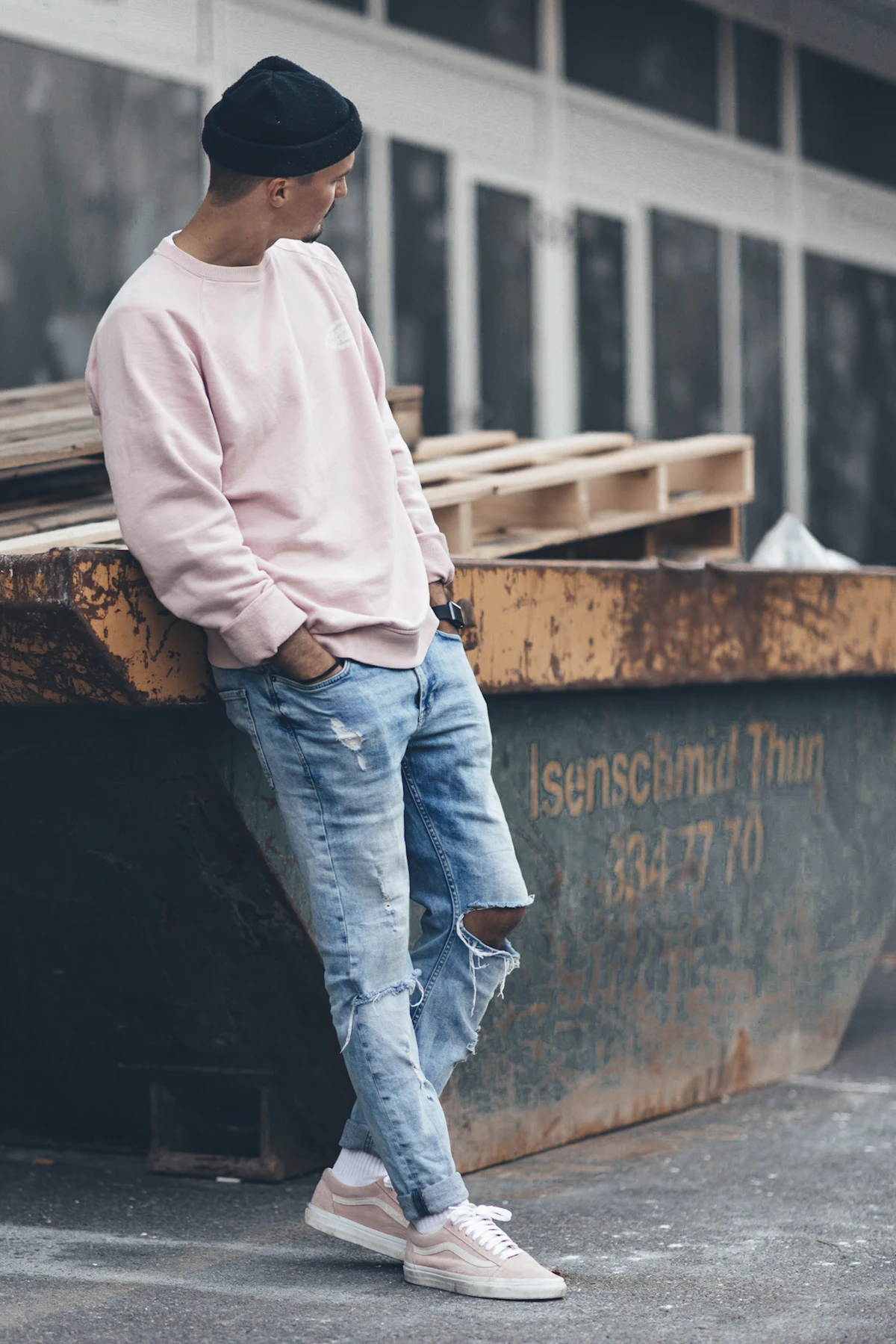
Essential Men's Wardrobe Basics for Every Season
A foundational guide to heavyweight cotton tees, Oxford cloth button-downs, selvedge denim, and weather-ready outerwear that anchor a year-round menswear closet.
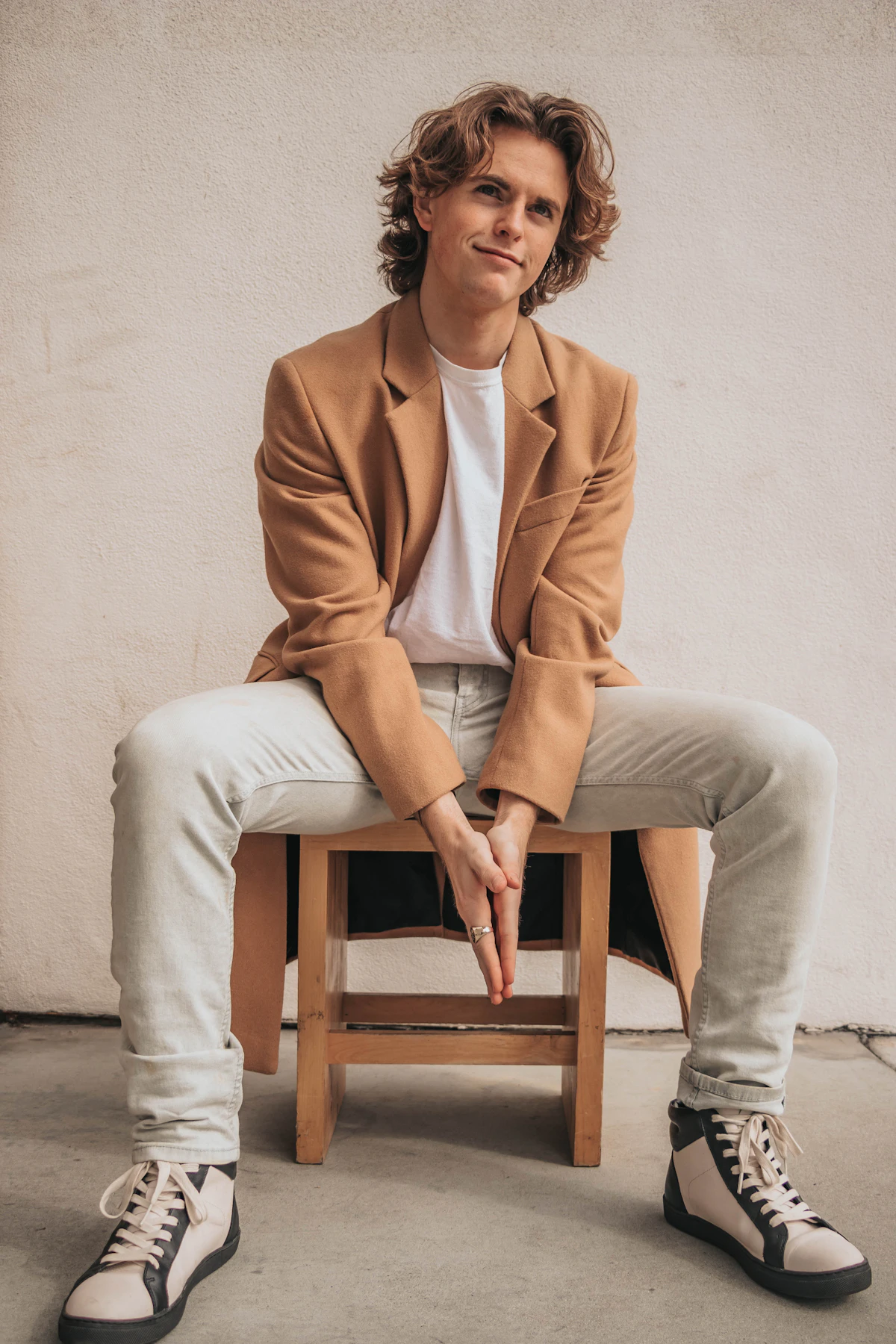
Modern Streetwear Trends for Men
How contemporary menswear blends utilitarian workwear, relaxed wide-leg proportions, technical outerwear, and archival sneaker culture into a mature silhouette.
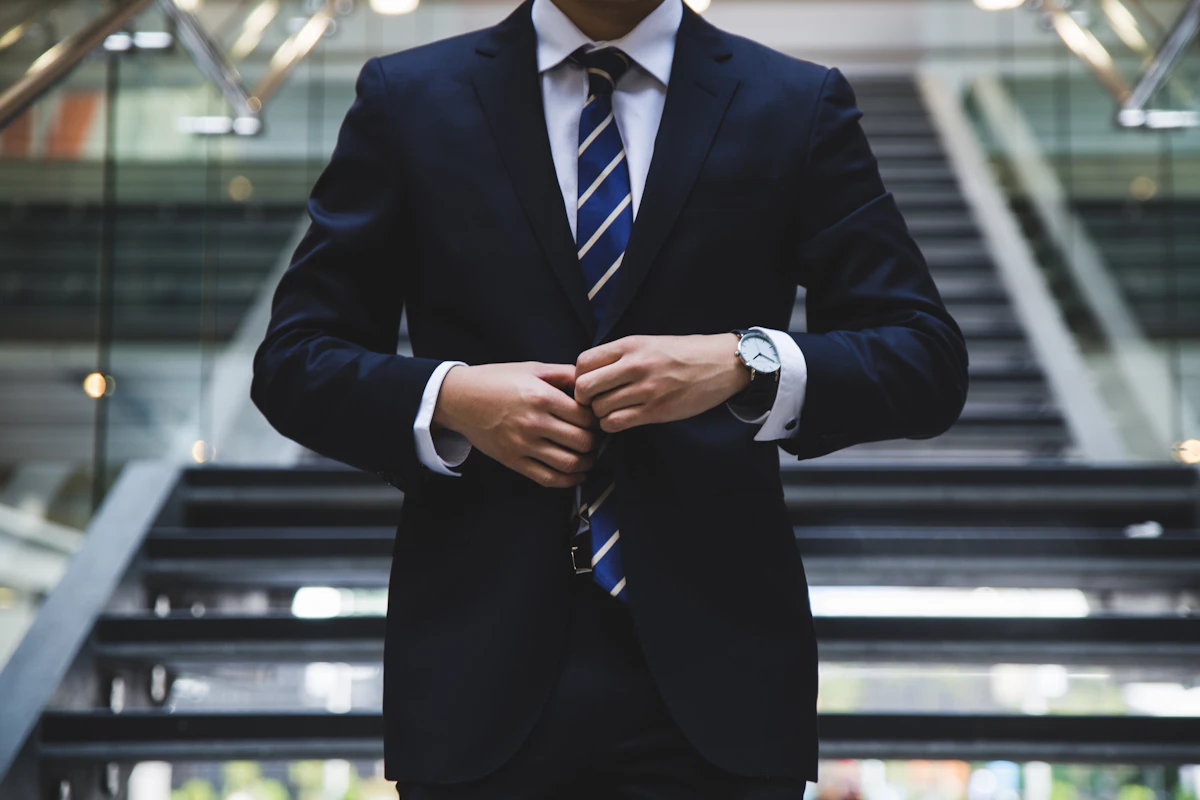
A Practical Guide to Men's Formal Dressing
Everything you need to know about suit canvas construction, lapel geometry, collar spreads, trouser breaks, and formal dress codes from business suiting to black tie.