Jewellery Styling Tips for Everyday Outfits
How to layer necklaces by chain weight, balance hoop proportions with collarlines, stack rings without clutter, and mix gold and silver tones intentionally.

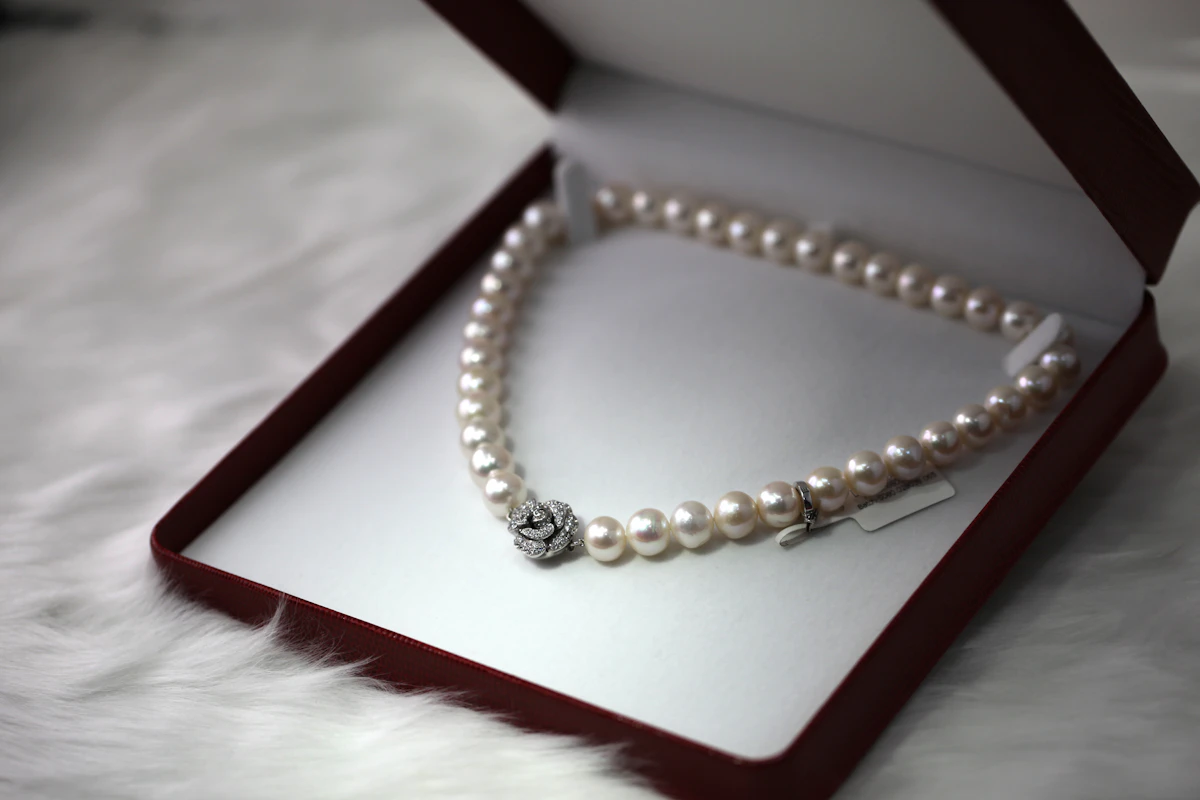
Everyday jewellery is the punctuation of a wardrobe. While clothing establishes the broad blocks of color and silhouette, fine chains, sculptural cuffs, and signet rings introduce points of light right where the eye naturally lingers: the collarbones, the frame of the jaw, and the hands. Yet the line between an effortlessly curated jewellery stack and visual clutter is razor-thin. Too many competing textures of equal weight cancel each other out, while a single delicate pendant can disappear completely against a heavy winter knit.
Mastering everyday jewellery styling does not require a vault of high-carat gemstones. Instead, it relies on three foundational principles: cascading scale, textural contrast, and neckline geometry. When you understand how different chain links interact and how to anchor mixed metals, your daily pieces work seamlessly across everything from a relaxed weekend t-shirt to sharp office tailoring.
The Architecture of Necklace Layering
The most frequent challenge in daily jewellery styling is tangling—followed closely by necklaces bunching together into a single indistinct line at the base of the throat. Both issues stem from pairing chains of identical gauge, texture, and length.
1. The Two-Inch Spacing Rule
To give each piece breathing room against the skin or fabric, stagger your chain lengths by at least 5 cm (2 inches):
- The Base Layer (38 cm – 40 cm / 15”–16”): Sits high on the base of the neck, resting just above the collarbones. Ideal for flat herringbone chains, chokers, or fine box chains.
- The Mid Layer (45 cm / 18”): Falls directly across the center of the collarbones. Best suited for medium-gauge link chains—such as figaro, mariner, or paperclip links—that bring open negative space.
- The Anchor Layer (50 cm – 55 cm / 20”–22”): Drops below the collarbone toward the upper sternum. Anchor this longest tier with a weighted pendant, medallion, or locket, which pulls the chain into a crisp V-shape rather than a rounded U-curve.
2. Contrast Your Chain Links
Friction causes chains of the same link style to twist around one another as you move. Always combine different link architectures: pair a liquid-smooth snake or herringbone chain at the top with an articulated cable or curb chain in the middle, finished with a beaded or rope chain carrying a pendant at the bottom. Not only does weight variation keep the chains separated physically, it also creates an interplay of continuous shine versus broken, rhythmic reflections.
Coordinating Jewellery with Necklines
Your neckline serves as the canvas for your upper-body jewellery. Treating the fabric edge as a frame ensures your pieces look integrated rather than accidental.
| Garment Neckline | Ideal Necklace Strategy | Recommended Earring Balance |
|---|---|---|
| Crew Neck Tee or Sweater | 16” chunky curb or herringbone chain sitting just inside or directly over the ribbed collar edge | Small huggie hoops or minimalist geometric studs |
| Crisp Button-Down Shirt (Open Collar) | Two staggered chains (16” fine link + 18” small pendant) framed within the open V of the placket | Medium sculptural hoops or pearl drops |
| V-Neck Knit or Wrap Dress | Angular pendant on an 18”–20” chain that mirrors the V-angle without crossing below the fabric point | Studs or ear cuffs that keep focus on the collarbone |
| High-Neck Turtleneck / Rollneck | Skip short chokers; wear a single 22”–24” weighty chain or sculptural pendant over the knit, or leave the neck bare | Bold statement drops, wide dome hoops, or architectural cuffs |
| Asymmetric or Boat Neckline | Omit necklaces entirely to preserve the clean horizontal sweep of the shoulders | Elongated linear drops or bold organic metal studs |
The Art of Intentional Metal Mixing
For decades, traditional etiquette insisted on choosing either yellow gold or sterling silver and never crossing the divide. Modern styling treats mixed metals not only as acceptable, but as one of the sharpest ways to modernize classic outfits. The key is making the combination look deliberate rather than absent-minded.
- Use a “Bridge Piece”: Introduce at least one two-tone item into your ensemble. A two-tone watch bracelet (which you can explore further in our guide on how to style watches with different outfits), an interlocked silver-and-gold ring, or a vintage pendant suspended from a contrasting chain acts as a visual translator that unifies every other metal on your body.
- Maintain an 80/20 or 70/30 Ratio: Rather than splitting gold and silver right down the middle, let one metal dominate as the primary warmth or coolness, and use the second metal as a sharp graphic accent.
- Group Mixed Metals Together: If you wear gold exclusively on your ears and silver exclusively on your hands, the separation looks accidental. Instead, stack a slim sterling silver band directly alongside a yellow gold dome ring on the same hand, or layer a silver snake chain right next to a gold curb link at the neck. This strategy also allows you to carry any handbag regardless of hardware color—a major advantage when deciding how to choose the right handbag for every occasion.
Ring Stacking and Wrist Proportions
Hands are constantly in motion—holding coffee cups, typing, gesturing during conversation—making ring and bracelet styling high-impact details.
Building a Balanced Ring Stack
Avoid putting a ring on every finger at the same vertical height, which creates a rigid, brass-knuckle line across the hand. Instead, think in diagonal triangles:
- Place a substantial anchor ring (such as an oval signet, a sculptural dome ring, or a bezel-set gemstone) on the index or middle finger.
- Leave an adjacent finger completely bare to preserve negative skin space.
- Stack two ultra-thin bands (perhaps mixing a smooth band with a twisted rope or pavé band) on the ring finger, or add a miniature signet to the pinky finger, supplemented by a delicate midi ring sitting above the knuckle.
Balancing Cuffs, Bangles, and Sleeves
When styling bracelets, consider sleeve volume first. If you are wearing a heavy wool blazer or a long-sleeved knit, push the sleeves up slightly to expose the narrowest part of the forearm and anchor the wrist with a solid, rigid cuff or a tight stack of varying-width bangles. When pairing bracelets with a wristwatch, keep only soft or lightweight chains on the watch wrist to prevent scratching the polished steel or gold case flank, reserving rigid sculptural cuffs for the opposite arm.
Caring for Everyday Metals
Daily wear exposes jewellery to skin oils, perfume alcohols, hand lotions, and urban humidity. Follow a simple maintenance discipline so your everyday pieces retain their mirror polish:
- Last On, First Off: Apply skincare, sunscreen, hairspray, and fragrance at least ten minutes before putting on jewellery, Especially porous organic gems like pearls, opals, and turquoise absorb chemicals that permanently dull their nacre.
- Understand Plating vs. Solid Metal: Gold vermeil (at least 2.5 microns of gold over sterling silver) and 14k gold-filled pieces withstand daily wear far better than standard flash-plated brass, though they should still be removed before showering or swimming in chlorinated water. Solid 14k or 18k gold and 925 sterling silver can be washed gently in warm water with a drop of mild dish soap and buffed dry with a lint-free microfiber cloth.
Conclusion
When styled with attention to proportion, negative space, and texture, everyday jewellery elevates even the simplest uniform of denim and cotton. For more ways to refine your daily finishing touches, browse our complete Accessories & Jewellery collection or discover the five accessories that can transform a simple outfit.
Tanisha
Tanisha is the Senior Fashion & Beauty Editor at The Fashion Edit. With over eight years of experience in fashion journalism, runway critique, and textile curation, she specializes in translating directional couture concepts into wearable everyday silhouettes. Her coverage spans women’s wardrobe architecture, modern Indian and global ethnic craftsmanship, dermatology-informed skincare routines, and fine jewellery styling.
Related Fashion Stories
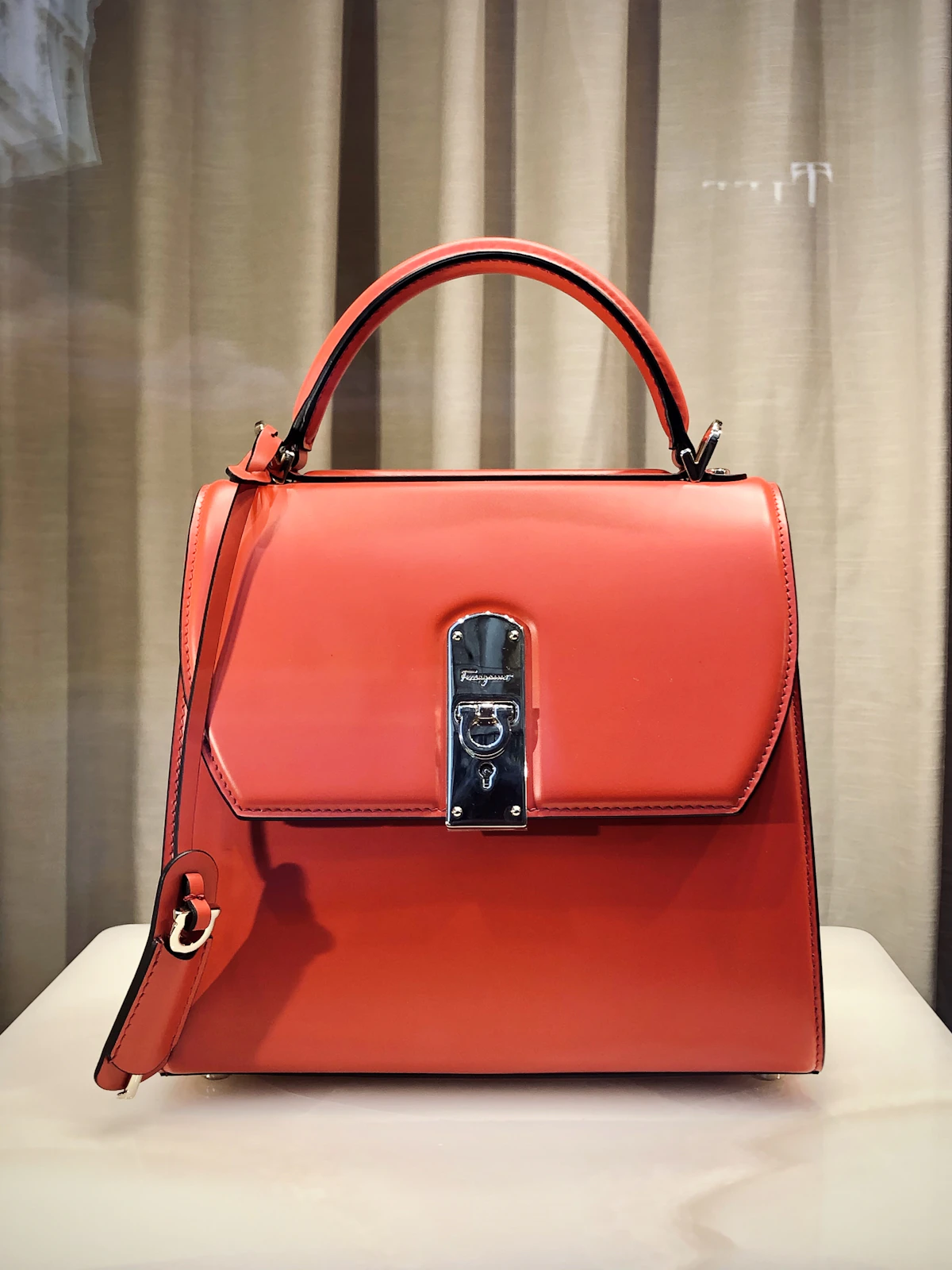
How to Choose the Right Handbag for Every Occasion
An architectural guide to leather grains, strap drop lengths, hardware finishes, and silhouettes—from work totes and saddle crossbodies to sculptural evening clutches.
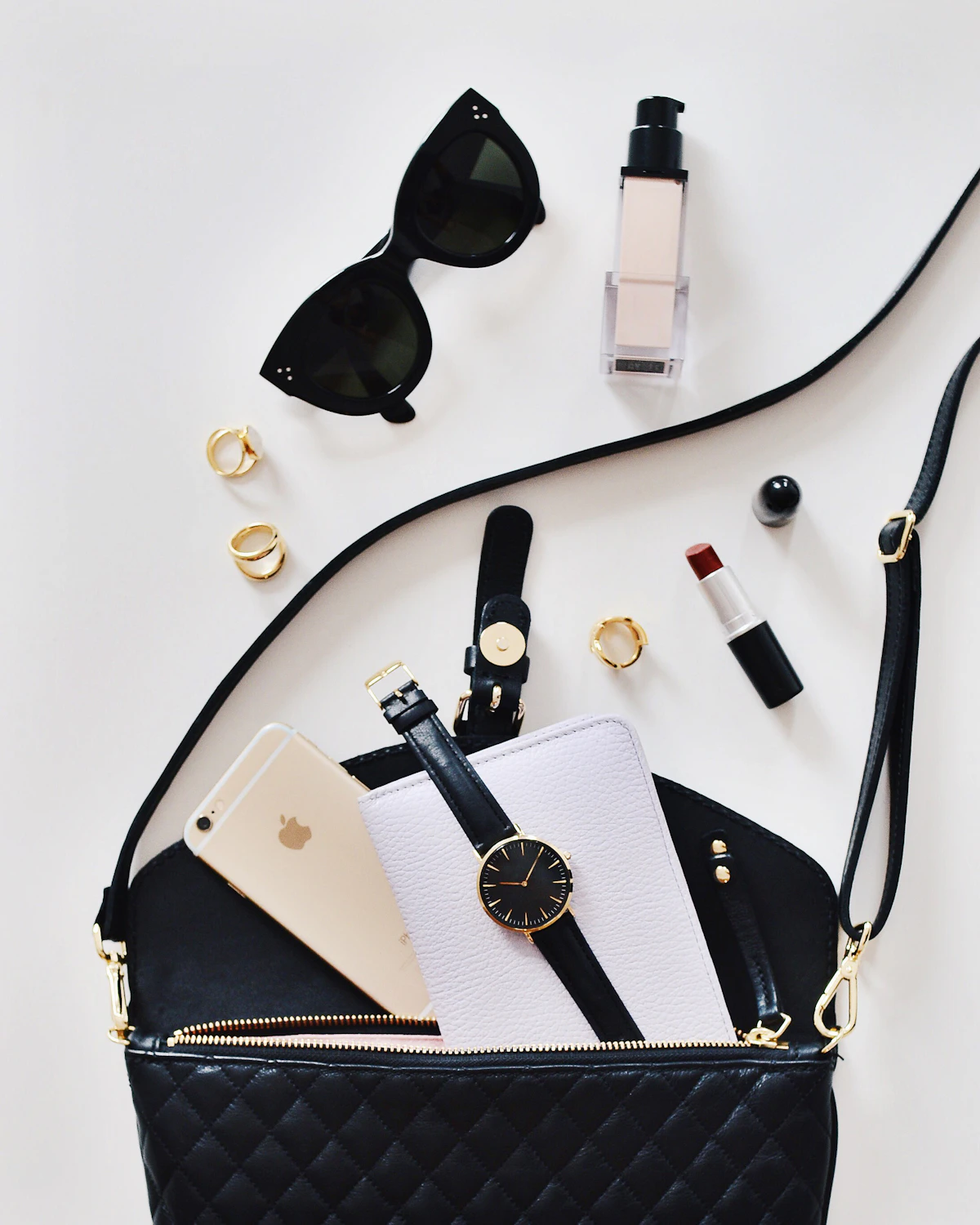
Accessories That Can Transform a Simple Outfit
How full-grain leather belts, printed silk twill scarves, structured wool hats, and statement hardware elevate a plain white tee and trousers into an editorial look.
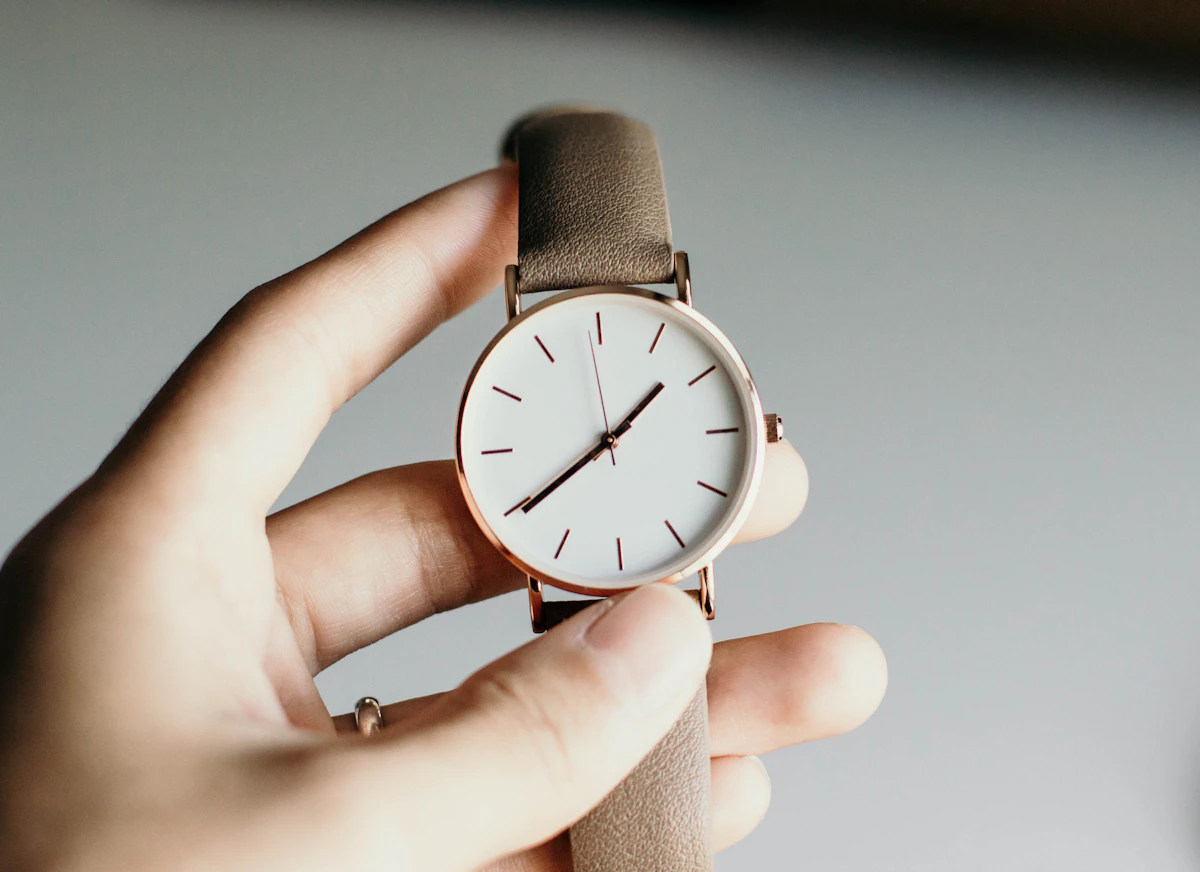
How to Style Watches With Different Outfits
Understanding case diameter, lug-to-lug proportions, leather straps versus steel bracelets, and how to pair dress, field, and dive watches with your wardrobe.