How to Choose Footwear That Complements Your Outfit
The visual weight principle explained: matching shoe sole thickness, vamp height, and color contrast to wide-leg trousers, tapered hems, and midi silhouettes.

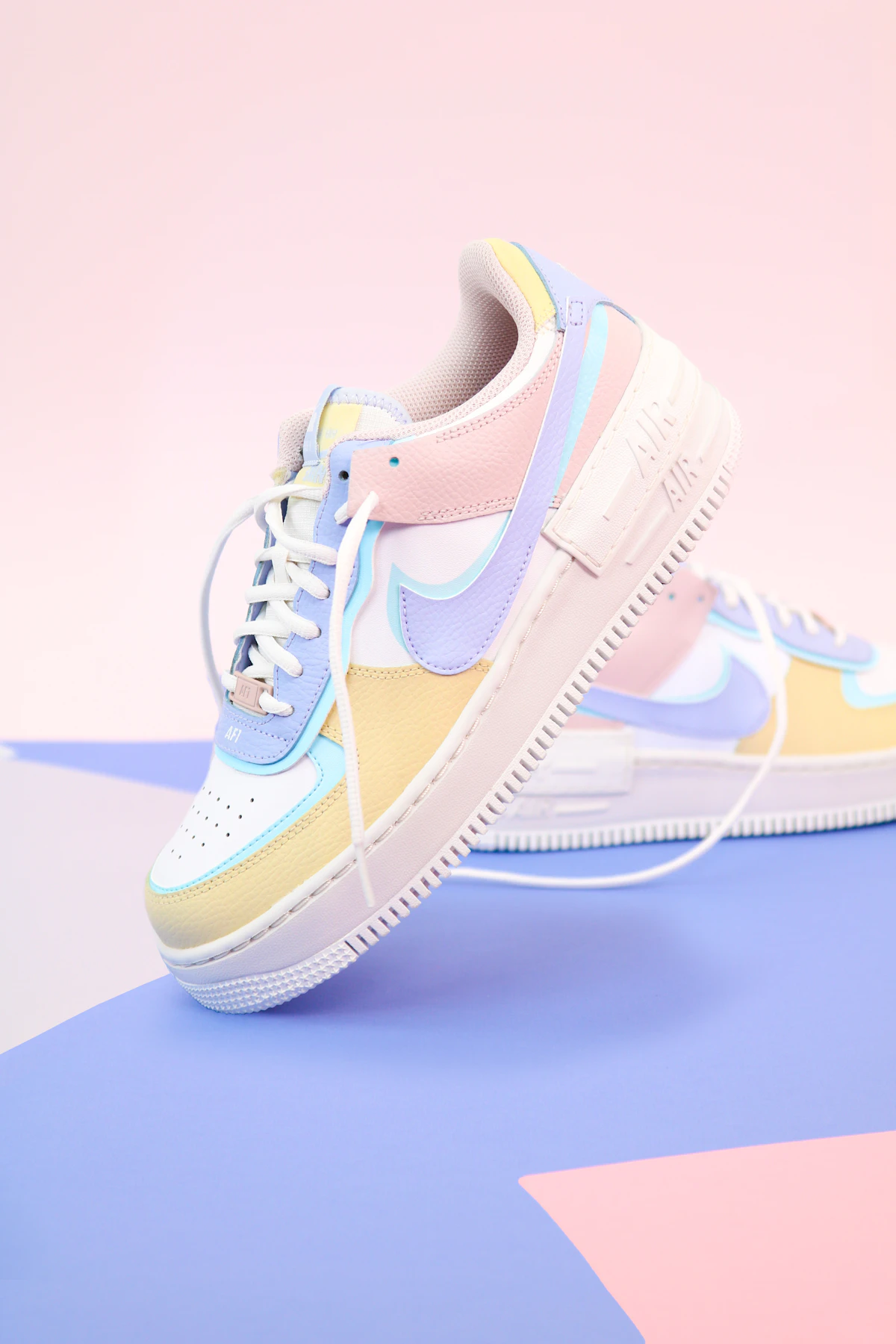
Have you ever put on a well-tailored pair of trousers and a sharp jacket, looked down in the mirror, and felt that the entire outfit looked slightly “off”—only to see the silhouette snap into focus the moment you swapped your shoes? That instant transformation happens because footwear serves as the structural foundation of human proportion. Just as an architectural column requires a base calibrated to the weight of the entablature above it, an outfit requires footwear whose visual mass, toe geometry, and color value balance the volume and length of the garments above.
When you replace trial-and-error shoe swapping with a clear understanding of visual weight, hemline break geometry, and tonal continuity, choosing footwear that complements your outfit becomes automatic.
The Principle of Visual Weight
In styling, visual weight refers to how heavy or light a garment or accessory appears to the eye based on four factors: physical bulk (sole thickness and welt extension), material texture (chunky lug rubber and grained leather vs. sheer satin and thin straps), coverage (high-shaft boot vs. low-vamp mule), and color darkness.
1. Equalizing Heavy Garment Volume
When your outfit carries substantial visual mass—such as a floor-grazing double-breasted wool coat, heavy wide-leg puddle trousers, or chunky cable-knit layering—your shoes must provide an equally sturdy base. If you pair voluminous wide-leg wool trousers with paper-thin, round-toe ballet flats, the fabric swallows the foot completely, making you look unstable. Instead, ground wide or heavy garments with:
- A loafer or derby featuring an extended storm welt and a 25 mm lug or stacked leather sole (explored in the ultimate guide to comfortable everyday shoes).
- An elongated pointed-toe boot or heel that extends horizontally beyond the wide hem so the foot’s presence remains visible.
- A sculpted retro runner or cupsole sneaker from our guide to sneakers every fashion enthusiast should know about.
2. Balancing Delicate or Cropped Silhouettes
Conversely, if you are wearing a lightweight silk slip dress, a linen summer shorts suit, or slim cigarette trousers cropped above the ankle bone, a massive commando-sole boot can look like an anchor tied to the leg (unless you are intentionally aiming for high-contrast grunge). Pair lighter, narrower hems with sleek low-vamp flats, slim leather sandals, or the refined slingbacks detailed in how to style heels for different occasions.
The Master Hemline-to-Footwear Pairing Matrix
Use this reference matrix whenever matching trouser cuts and skirt lengths to your shoe rack. You can browse additional silhouette guides across our Footwear archive.
| Garment Silhouette & Hemline | Ideal Shoe Profile & Toe Shape | Recommended Break / Ankle Gap | Footwear to Avoid |
|---|---|---|---|
| Full-Length Wide-Leg / Palazzo Trousers | Pointed-toe slingbacks, square-toe boots, or chunky gum-sole trainers | Full break (back hem hovers 1 cm above the ground, covering 75% of the heel) | Short, stubby round-toe flats that disappear entirely beneath the cuff |
| Straight-Leg Denim / Tailored Chinos | Penny loafers, Chelsea boots, low-profile court sneakers, suede chukkas | No break to slight quarter break (hem lightly kisses the top of the shoe vamp) | Ultra-wide basketball high-tops that force the straight leg to bunch at the shin |
| Cropped Cigarette / Tapered Trousers | Low-vamp pointed flats, Mary Janes, almond-toe kitten heels, sleek loafers | 3 cm – 6 cm of exposed ankle (bare skin or fine ribbed hosiery) | Chunky mid-calf boots that collide directly with the cropped hem edge |
| Midi Skirt or Bias-Cut Dress | Open-heel slingbacks, low-vamp mules, or knee-high boots tucked under the hem | Either continuous skin exposure at the instep OR zero gap (hem overlaps boot top) | High-ankle booties that terminate 5 cm below the midi hem, chopping the calf in three |
| Mini Skirt or Tailored Shorts | Knee-high riding boots, flat loafers with crew socks, or low-profile sandals | Keep heel height moderate (0–50 mm) to balance the high leg exposure | Towering platform stilettos that throw off daytime proportional balance |
Color Theory at the Hemline: Tonal Extension vs. Accent Punctuation
Once the physical shape of the shoe matches your garment volume, evaluate the color transition between your lower body and your feet.
The Tonal Extension Strategy (Maximum Leg Length)
Whenever the eye encounters a sharp horizontal contrast—such as black trousers meeting stark white shoes, or bare legs meeting black ankle boots—it stops and measures the segment up to that break. To maximize vertical height and create a streamlined silhouette:
- Match dark trousers (navy, charcoal, espresso, black) with shoes in a similar dark value, bridged by matching socks.
- When wearing skirts or cropped trousers with bare legs, choose shoes in tan, camel, cognac, taupe, or blush leather that stays close to your natural skin tone value, allowing the eye to travel uninterrupted from hip to toe.
The Intentional Accent Strategy (Editorial Focal Point)
When your outfit is intentionally monochrome or neutral—such as all-black tailoring, head-to-toe ecru denim, or a grey sweater with blue jeans—your shoes can act as the single deliberate punctuation mark. A pair of deep oxblood burgundy loafers, silver metallic flats, leopard calf-hair mules, or crisp white court sneakers enlivens a minimal outfit immediately. To make a statement shoe feel integrated rather than disconnected, echo its tone or texture once in your upper body using our guide on how to choose the right handbag for every occasion or our accessories that can transform a simple outfit.
Matching Shoe Texture to Seasonal Fabric Weight
Finally, pay attention to tactile harmony between your clothing weave and your footwear finish:
- Smooth & Lustrous Finishes (Patent, Satin, Box Calfskin): Reflect light cleanly and elevate matte wool crepe, silk, cashmere, and crisp evening suiting.
- Matte & Brushed Finishes (Suede, Nubuck, Pebbled Grain): Absorb light and soften the look of structured denim, tweed, linen, corduroy, and casual knitwear—a principle we apply across seasons in our boots styling ideas for different seasons.
Conclusion
Choosing footwear that complements your outfit requires just three quick checks in the mirror: verify that the sole and welt match the visual weight of your garment volume, ensure the trouser or skirt hem breaks cleanly without bunching against the shoe shaft, and decide whether the shoe color should extend your leg line tonally or punctuate the look as an accent. Master those three rules, and every pair of shoes in your wardrobe will work harder for you.
Tanisha
Tanisha is the Senior Fashion & Beauty Editor at The Fashion Edit. With over eight years of experience in fashion journalism, runway critique, and textile curation, she specializes in translating directional couture concepts into wearable everyday silhouettes. Her coverage spans women’s wardrobe architecture, modern Indian and global ethnic craftsmanship, dermatology-informed skincare routines, and fine jewellery styling.
Related Fashion Stories
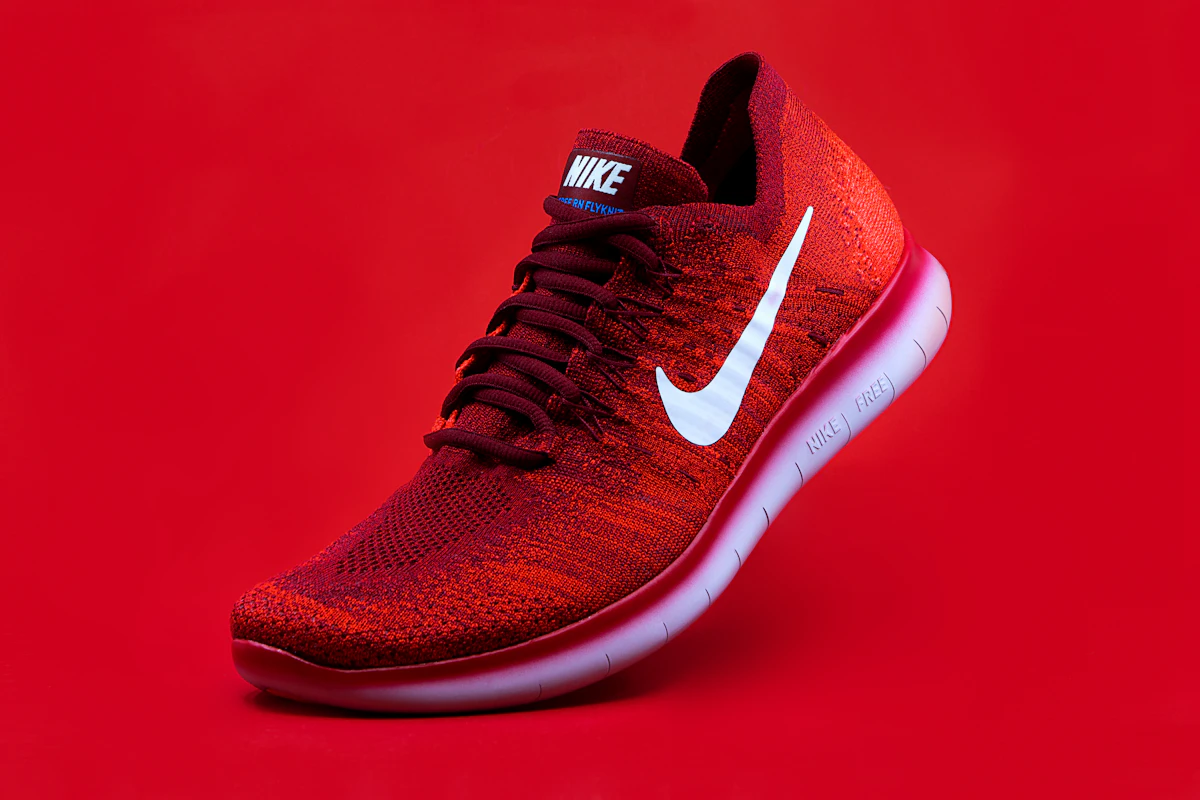
Sneakers Every Fashion Enthusiast Should Know About
From low-profile leather court trainers and 1970s suede runners to vulcanized canvas classics, explore the enduring sneaker archetypes and how to style them with tailoring.
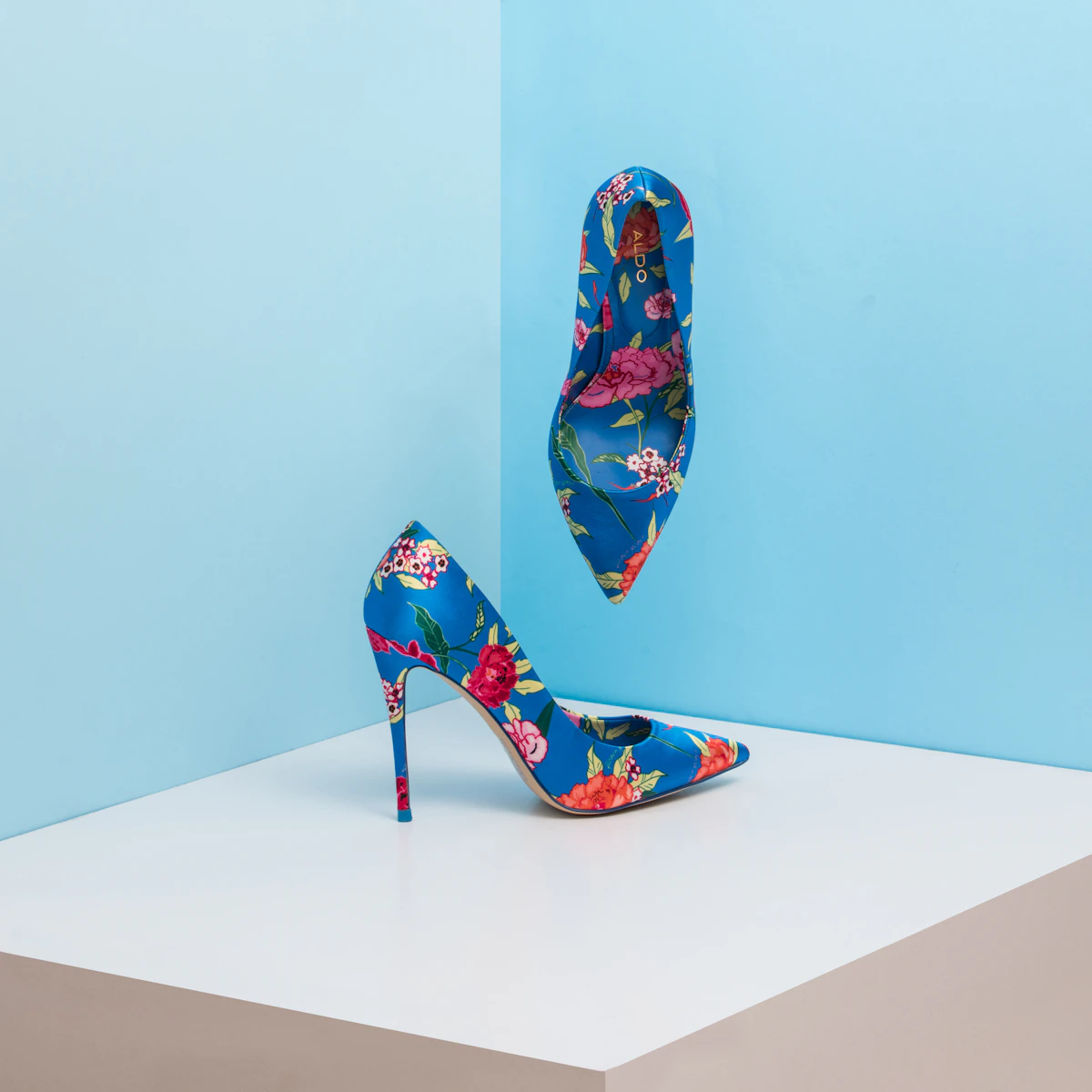
How to Style Heels for Different Occasions
Balancing heel geometry—from sculptural kitten heels and architectural block heels to pointed slingbacks—across tailored trousers, midi skirts, and evening gowns.
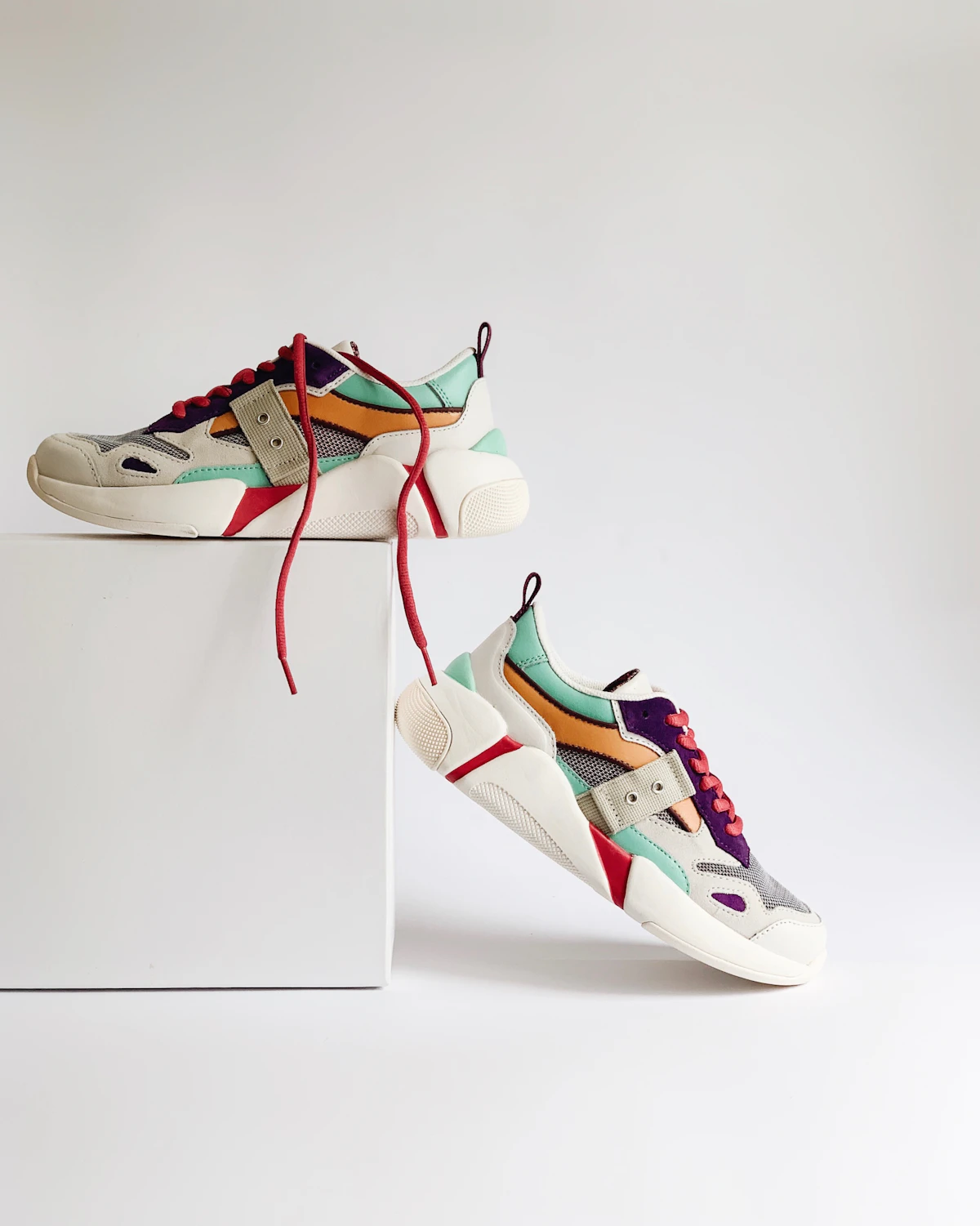
The Ultimate Guide to Comfortable Everyday Shoes
Why anatomical toe boxes, Goodyear-welted cork footbeds, penny loafers, glove-leather flats, and leather sandals are the secret to high-mileage city dressing.