Boots Styling Ideas for Different Seasons
How to transition suede desert chukkas, sleek Chelsea boots, knee-high riding silhouettes, and lug-sole lace-up boots from crisp autumn days through spring showers.

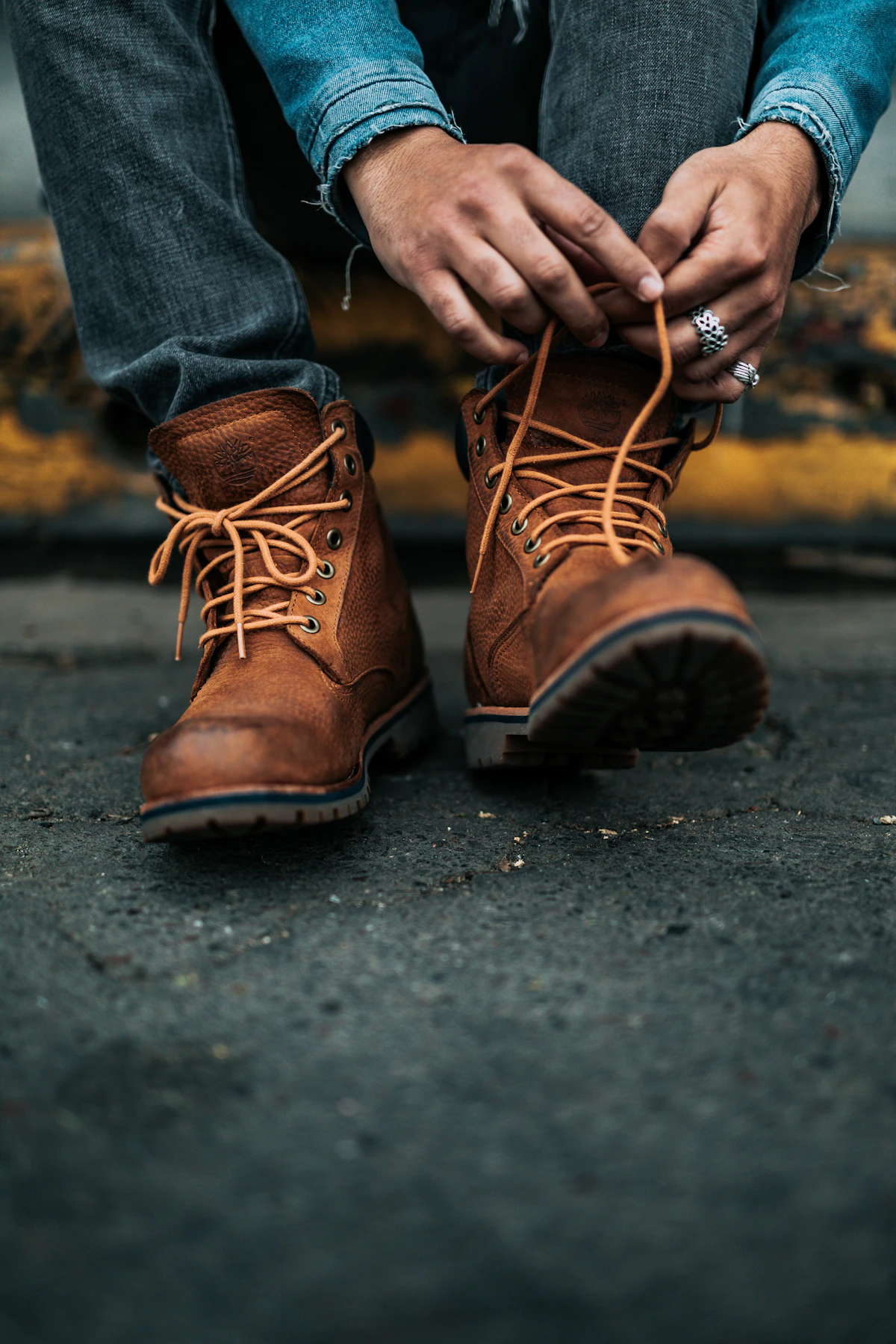
Few categories of footwear carry the architectural authority and rugged utility of a well-made pair of boots. Extending above the ankle joint, a boot fundamentally changes how trousers fall, how skirts transition across the leg, and how grounded an overcoat appears against the pavement. Yet many dressers relegate their boots strictly to the deepest weeks of mid-winter, missing out on the lightweight suede chukkas and sleek calfskin Chelsea boots that excel during mild spring showers and crisp autumn evenings.
Styling boots across different seasons comes down to matching three physical characteristics to the weather and fabric weight of your clothes: shaft height and circumference (how closely the boot hugs the ankle or calf), welt and outsole profile (sleek Blake-stitched leather vs. storm-welted commando lug rubber), and hide texture (breathable unlined suede vs. waxed full-grain leather).
The Four Essential Boot Silhouettes
A comprehensive boot wardrobe relies on four distinct silhouettes that span smart tailoring, off-duty denim, and inclement weather. Explore more cold- and warm-weather shoes in our Footwear section.
1. The Sleek Chelsea Boot
Originating in Victorian riding culture and immortalized on 1960s London streets, the Chelsea boot is defined by its laceless vamp, elasticated side gussets, and ankle-skimming shaft pulled on via canvas heel tabs. Because it has no laces or eyelets to catch on trouser hems, a wholecut calfskin or fine suede Chelsea boot slips beneath tailored suits just as naturally as it pairs with slim or straight-leg jeans.
2. The Suede Chukka / Desert Boot
Featuring an ankle-high shaft with just two or three pairs of open eyelets and either a plantation crepe rubber sole or a thin Dainite studded rubber sole, the suede chukka is the ultimate transitional shoe. In sand, tobacco, snuff brown, or loden green suede, it bridges the gap between summer loafers and heavy winter footwear.
3. The Lace-Up Service / Combat / Brogue Boot
Built on a sturdier last with seven to nine eyelets (often topped with speed hooks), a storm welt that blocks water intrusion, and a Vibram lug or commando sole, the lace-up service or country brogue boot brings rich textural heft. It anchors heavy winter fabrics like Donegal tweed, 14 oz raw denim, corduroy, and heavyweight wool overcoats.
4. The Knee-High Riding or Block-Heel Boot
Rising to just below the patella with a structured leather shaft, the knee-high boot acts as a continuous column of leather. In modern styling, it thrives tucked seamlessly beneath midi skirts and knitted dresses, creating an unbroken, weatherproof silhouette from waist to pavement.
Seasonal Boot Pairing Reference
| Season | Ideal Boot Archetype | Recommended Upper & Sole | Best Garment Fabrics | Signature Outfit Formula |
|---|---|---|---|---|
| Spring (Transitional & Showers) | Unlined Suede Chukka or Light Chelsea | Water-repellent snuff suede; natural crepe or thin rubber sole | Gabardine trench cloth, mid-wash denim, cotton twill chinos | Trench coat + Breton stripe knit + ecru straight jeans + snuff suede chukkas |
| Early Autumn (Dry & Crisp) | Wholecut Calfskin or Suede Chelsea Boot | Espresso box calfskin or tobacco suede; single leather or Dainite sole | Merino wool, flannel trousers, suede jackets, fine-wale corduroy | Unstructured blazer + merino rollneck + charcoal flannel trousers + Chelsea boots |
| Deep Winter (Cold & Wet) | Lace-Up Service Boot or Lug-Sole Brogue | Waxed Horween Chromexcel or pebble grain leather; commando lug sole | Heavyweight melton wool, Donegal tweed, raw selvedge denim, shearling | Double-breasted wool overcoat + chunky Fisherman knit + raw denim + lug-sole boots |
| Autumn / Winter Dress & Midi | Knee-High Block-Heel or Equipage Boot | Smooth black or burgundy calfskin; stacked leather-and-rubber heel | Fluid silk satin, cashmere knit dresses, pleated wool midi skirts | Oversized wool blazer + bias-cut midi skirt + knee-high leather boots |
Mastering the Boot-to-Hemline Rules
The single most common mistake in boot styling is forcing a narrow trouser leg over a wide boot shaft, resulting in an unsightly outline of the boot rim pressing through the fabric at mid-calf. Follow these proportion rules—which complement our broader guide on how to choose footwear that complements your outfit:
- Check the Leg Opening Width: To drape cleanly over an ankle boot without bunching on the pull tabs, your trousers need a flat hem opening of at least 19 cm to 21 cm (7.5” to 8.25”). Straight-leg and relaxed-taper cuts glide effortlessly over both Chelsea and lace-up service boots.
- When to Cuff vs. Let Fall: With raw selvedge denim and lace-up heritage boots, a crisp single or double 3 cm turn-up cuff ending right at the top two speed hooks showcases the craftsmanship of the boot’s lacing and leather patina. With Chelsea boots and tailored wool trousers, avoid thick cuffs; let the hem fall to a clean quarter break over the smooth leather vamp.
- The Midi-Over-Boot Rule (Eliminating the Skin Gap): When styling knee-high boots with skirts or dresses in autumn and winter, allow the hem of the midi skirt to overlap the top of the boot shaft by at least 3 cm to 5 cm. Eliminating the horizontal band of bare leg between skirt hem and boot top lengthens the silhouette dramatically and exudes effortless editorial polish. For evening occasions that call for an open instep instead, consult our guide on how to style heels for different occasions.
Weatherproofing and Seasonal Storage
Goodyear-welted and Blake-stitched leather boots can easily last a decade or more with routine seasonal care:
- Wipe Road Salt Immediately: Winter de-icing salt draws moisture out of leather tannins, leaving permanent white chemical blisters. Wipe damp boots down after snow exposure using a cloth dipped in equal parts water and white vinegar, let dry away from radiators, and replenish oils with cream polish or mink oil.
- Use Boot Shaft Shapers and Cedar Trees: Before storing winter boots away for summer—when you transition into the lighter styles in the ultimate guide to comfortable everyday shoes—insert cedar foot trees into the vamps and upright shaft shapers into knee-high boots so the ankles never crease or collapse.
Conclusion
When chosen with attention to sole profile, leather texture, and shaft proportion, boots offer unmatched versatility across three-quarters of the calendar year. By matching light suede chukkas to spring gabardines, sleek Chelsea boots to autumn tailoring, and storm-welted lace-ups or knee-high boots to winter woolens, your footwear anchors every seasonal transition with authority.
Shivam
Shivam is the Menswear, Footwear & Style Contributor at The Fashion Edit. Blending a sharp eye for classic sartorial tailoring with deep roots in global sneaker and streetwear culture, he writes practical, no-nonsense guides on building resilient wardrobes, evaluating garment construction, and navigating online and archival fashion retail without overspending.
Related Fashion Stories
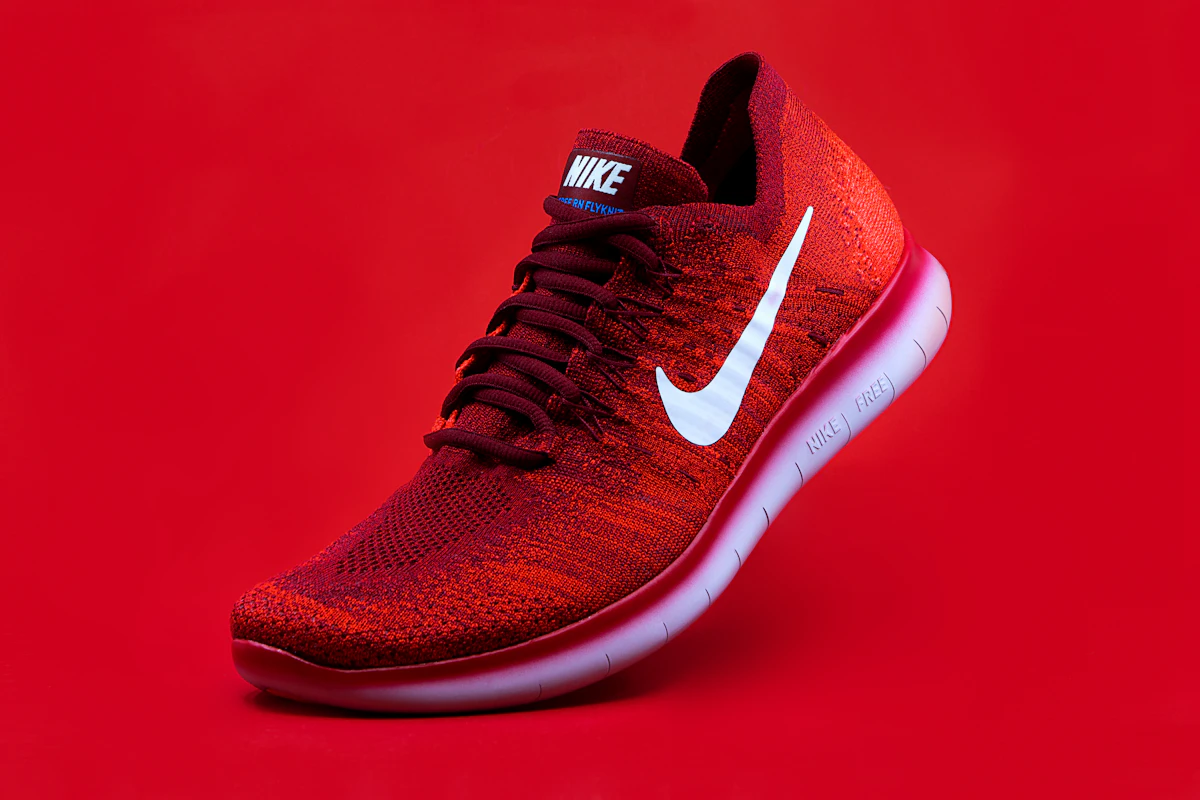
Sneakers Every Fashion Enthusiast Should Know About
From low-profile leather court trainers and 1970s suede runners to vulcanized canvas classics, explore the enduring sneaker archetypes and how to style them with tailoring.
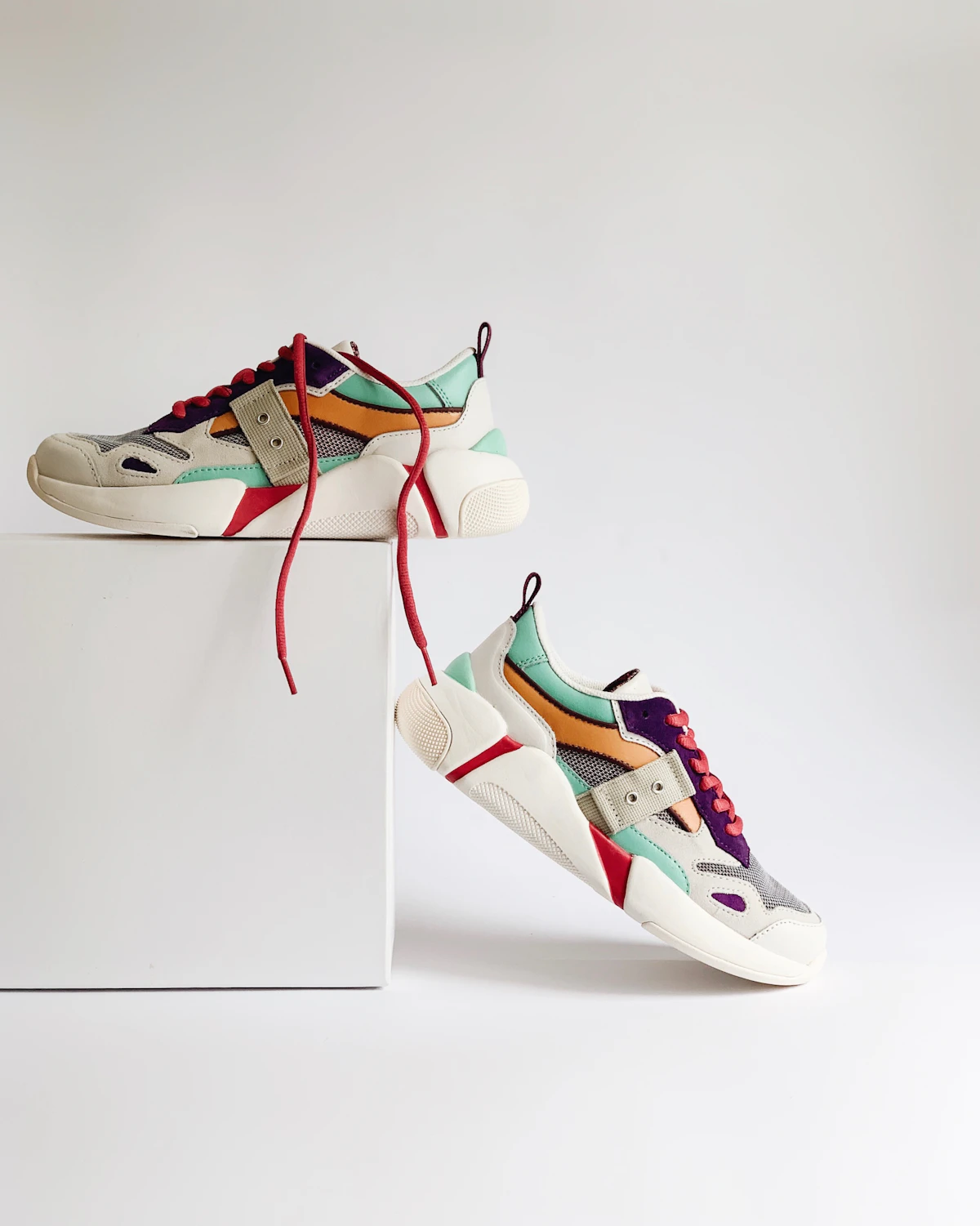
The Ultimate Guide to Comfortable Everyday Shoes
Why anatomical toe boxes, Goodyear-welted cork footbeds, penny loafers, glove-leather flats, and leather sandals are the secret to high-mileage city dressing.
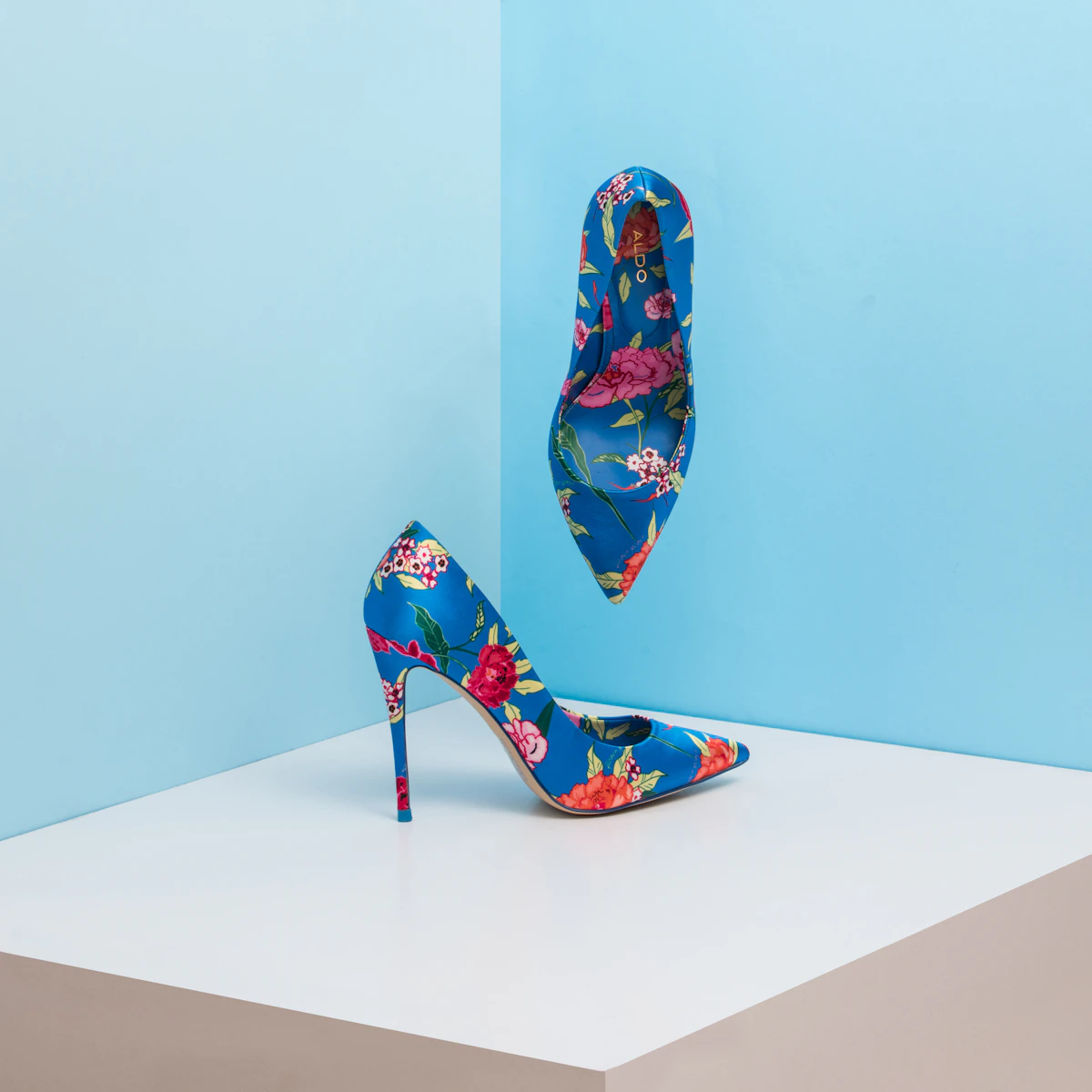
How to Style Heels for Different Occasions
Balancing heel geometry—from sculptural kitten heels and architectural block heels to pointed slingbacks—across tailored trousers, midi skirts, and evening gowns.