Budget-Friendly Fashion Finds Worth Considering
Which garment categories deliver exceptional quality at accessible price points—and how small tailoring tweaks make affordable pieces look bespoke.

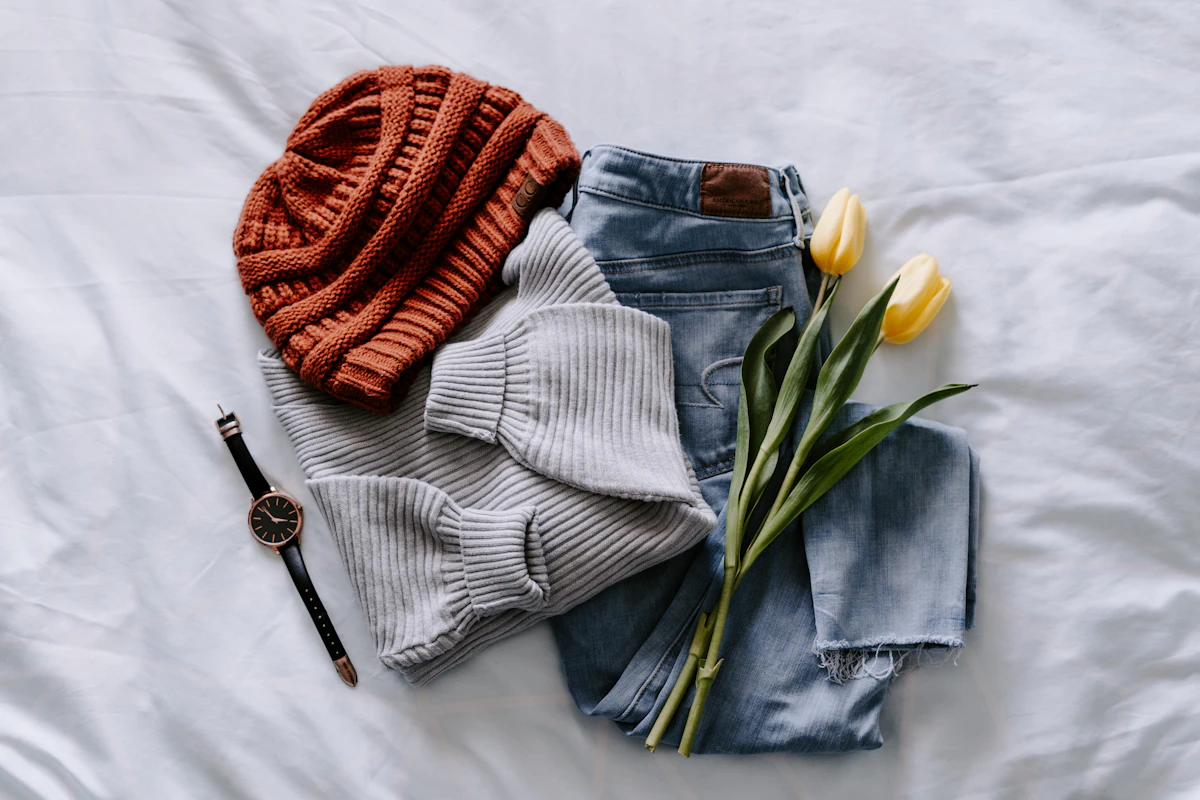
Walk into any gathering of seasoned fashion editors, stylists, and creative directors, and you will rarely see anyone wearing a single luxury designer label from head to toe. In fact, the hallmark of genuine sartorial confidence is mastery of the high-low mix: pairing an investment heritage overcoat or vintage leather loafer with a $35 heavyweight organic cotton T-shirt, a classic pair of accessible selvedge jeans, or a high-street poplin shirt that has had its buttons swapped and cuffs tailored.
Knowing how to build an elevated wardrobe on a realistic budget comes down to understanding industrial textile manufacturing. Certain garment categories—such as complex canvas-front blazers or Goodyear-welted boots—require dozens of hours of skilled handwork and expensive raw hides, making ultra-cheap versions look stiff and wear out quickly. Other categories, however, rely on straightforward flat-pattern cutting and machine knitting where accessible brands can rival luxury labels at a tenth of the price. Here is how to identify the best budget-friendly fashion finds and elevate them to look bespoke.
The High-Low Matrix: Where to Save vs. Where to Invest
To maximize every dollar in your clothing budget, allocate your spending according to structural complexity and fabric scarcity. Use this reference table from our Shopping & Style Guides team before planning your seasonal purchases:
| Garment Category | Verdict: Save or Invest? | Why Accessible Options Excel (or Fail) | What to Look For on a Budget |
|---|---|---|---|
| Heavyweight T-Shirts & Tanks | Save | Simple tubular or side-seam jersey construction; no complex tailoring required | 100% combed or organic cotton, 220–280 GSM weight, thick 1-inch ribbed collar |
| 100% Cotton Poplin & Oxford Shirts | Save | Major accessible retailers buy cotton shirting in massive volume from top mills | 100% long-staple cotton, crisp hand-feel, gusseted side hems, classic collar roll |
| Raw / Rigid 100% Cotton Denim | Save / Mid-Tier | Workwear heritage brands produce 13–14 oz rope-dyed denim at fair prices | 100% cotton (or 99% cotton / 1% elastane), copper rivets, chain-stitched hem |
| Extra-Fine Merino Knitwear | Save / Mid-Tier | Automated whole-garment knitting machines allow seamless merino knits under $90 | 100% wool (zero acrylic or nylon blends), tight knit gauge that springs back |
| Tailored Outerwear & Blazers | Invest (or Buy Vintage) | Cheap coats use glued fusible interlinings and high-polyester blends that pill fast | Look for secondhand 100% wool coats rather than buying new synthetic fast-fashion coats |
| Leather Footwear & Bags | Invest (or Resoleable) | Corrected-grain plastic-coated leather cracks along the toe crease within months | Full-grain calfskin or suede with stitched (Blake or Goodyear welt) soles |
Five Accessible Garment Categories That Punch Above Their Price Tag
When browsing accessible retailers, workwear outfitters, or minimalist basics specialists, focus your search on these five workhorse categories:
1. The 240+ GSM Heavyweight Cotton Tee
Nothing betrays a cheap T-shirt faster than paper-thin, semi-sheer jersey fabric and a narrow neckband that warps into “bacon collar” after two washes. Skip flimsy multi-pack undershirts and look for unisex or menswear-inspired heavyweight tees rated between 220 and 280 grams per square meter (GSM) in 100% ring-spun cotton. Because the fabric has substantial weight, it drapes cleanly away from the torso rather than clinging, creating an architectural silhouette that looks effortlessly expensive under a blazer.
2. Crisp Oversized Cotton Poplin and Oxford Shirts
Because cotton shirting is woven on high-speed industrial looms at immense scale, you do not need to spend $400 to get a crisp, breathable button-down. Look for 100% cotton oxford cloth or dense poplin in classic white, pale blue, or Bengal stripe. A clever styling trick used by editors is to buy an accessible shirt one size up (or from the menswear department) for that relaxed, borrowed-from-the-atelier drape, then roll the cuffs twice to expose the wrist.
3. Unwashed Dark Indigo Denim
Distressed, acid-washed, or artificially whiskered budget jeans almost always look synthetic because the laser-fading templates repeat unnaturally along the thigh. Conversely, an affordable pair of dark, unwashed (rinse or raw) 100% cotton straight-leg jeans looks virtually indistinguishable from a $350 designer pair. Over six months of wear, the indigo dye will fade naturally along your own movement lines.
4. Uniqlo-Style Seamless Merino and Silk-Blend Basics
When global basics specialists contract directly with Australian wool growers, they can offer 100% extra-fine merino wool crewnecks and cardigans at remarkably accessible price points. Stick strictly to solid dark neutrals (black, navy, espresso, charcoal) and gentle cold hand-washing—as detailed in our sustainable wardrobe care guide—and these knits will serve as reliable layering anchors for years.
5. Military Surplus and Heritage Workwear Chinos
Authentic fatigue trousers, cotton ripstop overshirts, and heavy twill chinos from heritage workwear suppliers cost a fraction of fashion brands while offering vastly superior durability. Pair a $50 olive cotton sateen fatigue trouser with a fine cashmere knit and leather loafers for an instant study in high-low contrast.
Three $20 Tailoring Tweaks That Make Budget Clothes Look Bespoke
The single biggest difference between a $70 trouser and a $700 trouser is rarely the cloth itself—it is how the garment sits on your specific frame. Budget an extra $15 to $30 for your local alterations tailor whenever you buy an affordable staple:
- Swap Plastic Buttons for Horn, Corozo, or Mother-of-Pearl: Buying a set of genuine dark horn or smoked mother-of-pearl buttons from a haberdashery costs less than $12. Replacing the shiny plastic buttons on an affordable trench coat, cardigan, or blazer elevates its visual pedigree immediately.
- Perfect the Trouser Break and Waist Gap: Have your tailor nip in the back waistband of off-the-rack trousers so they sit flush without a belt, and hem the bottoms to a deliberate “slight break” or clean ankle length—a foundational rule in how to choose clothes that suit your personal style.
- Remove Exterior Branding and Belt Loops: Snipping off faux-leather brand patches, decorative metal logo tabs, or flimsy thread belt loops on dresses and skirts gives affordable pieces a clean, minimalist finish.
Conclusion: Smart Curation Beats Big Spending
Building a remarkable wardrobe has never been a contest of who can spend the most money. When you combine these accessible staples with our smart shopping inspection checklist and organize them inside a 30-piece capsule wardrobe, you prove that discerning taste, fabric literacy, and a great local tailor will always outshine a luxury price tag.
Shivam
Shivam is the Menswear, Footwear & Style Contributor at The Fashion Edit. Blending a sharp eye for classic sartorial tailoring with deep roots in global sneaker and streetwear culture, he writes practical, no-nonsense guides on building resilient wardrobes, evaluating garment construction, and navigating online and archival fashion retail without overspending.
Related Fashion Stories
How to Shop Smart Without Overspending
Master the cost-per-wear equation, seam-and-fabric inspection checklists, and wishlist cooling periods to build a luxury-grade wardrobe on a realistic budget.
How to Choose Clothes That Suit Your Personal Style
Using the Rule of Thirds, shoulder-seam alignment, fabric drape, and undertone harmony to select garments that feel natural and flattering from day one.
A Practical Guide to Shopping for Fashion Online
Eliminate return headaches by measuring your best-fitting garments flat, decoding textile mill compositions, and reading studio model styling cues accurately.