A Simple Skincare Routine for Healthy-Looking Skin
Cut through ingredient fatigue with a barrier-respecting four-step morning and evening skincare framework focused on gentle cleansing, hydration, and photoprotection.

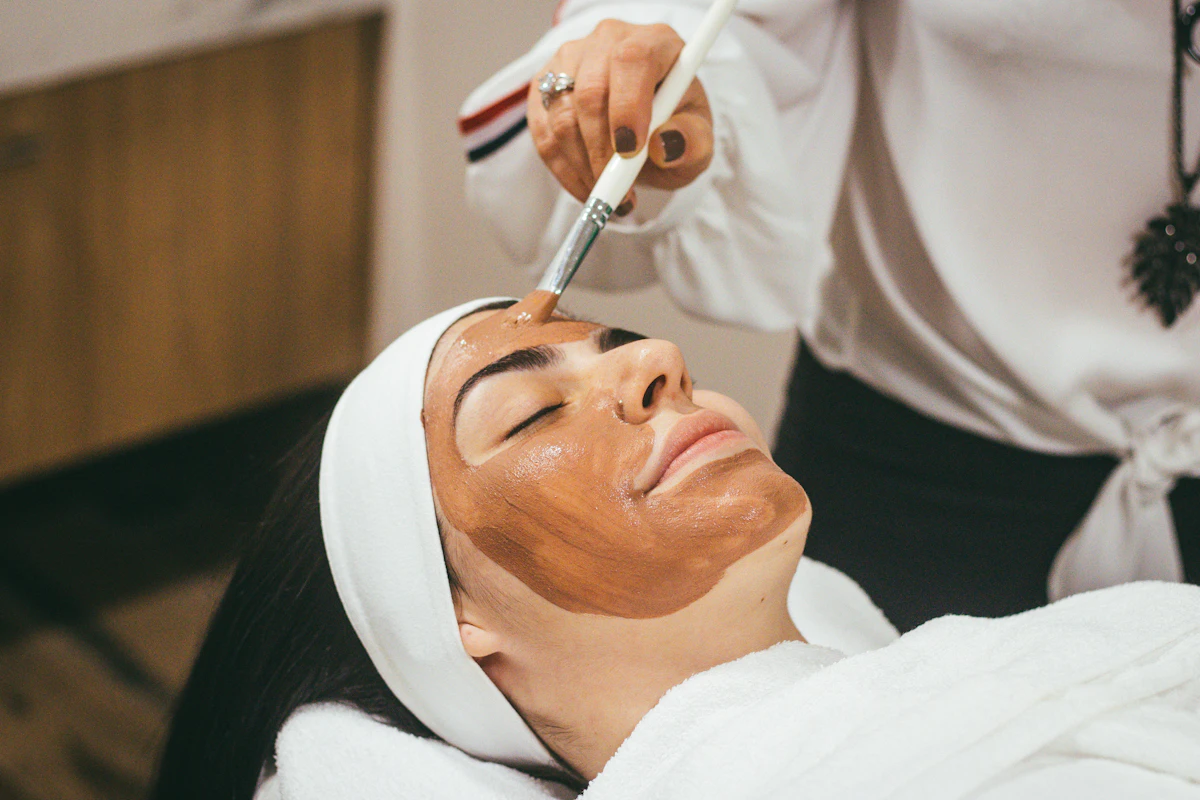
Modern beauty shelves are crowded with ten-step regimens, high-percentage exfoliating acids, and overlapping botanical serums that promise overnight glass skin. In practice, layering too many active compounds at once is the leading cause of sensitized, reactive complexions. When the stratum corneum—your skin’s outermost protective barrier—is stripped by harsh surfactants and daily chemical peels, the result is chronic redness, dehydration lines, and unpredictable breakouts.
Within our beauty and makeup coverage at The Fashion Edit, we champion skin minimalism: doing fewer things with greater consistency. A resilient, luminous complexion relies on three non-negotiable pillars—gentle cleansing, barrier-replenishing hydration, and daily broad-spectrum photoprotection—supplemented by a single targeted treatment only when your skin truly needs it.
Understanding Your Skin Barrier Before Buying Products
Think of your skin barrier as a brick-and-mortar wall. The “bricks” are corneocytes (dead skin cells that shield underlying tissue), and the “mortar” is a lipid matrix composed of ceramides, cholesterol, and free fatty acids. When that lipid mortar is intact, water stays locked inside the skin while irritants and bacteria stay out.
Before choosing textures, observe how your bare face behaves thirty minutes after washing with lukewarm water:
- Dry or Lipid-Depleted Skin: Feels tight, shows flaky patches around the nostrils or eyebrows, and absorbs rich creams immediately.
- Oily or Sebum-Rich Skin: Develops a visible sheen across the forehead, nose, and chin (the T-zone) and features more prominent pores.
- Combination Skin: Exhibits oiliness along the central T-zone while remaining normal or slightly dry across the cheeks and jawline.
- Dehydrated Skin (A Temporary Condition): Can occur in both dry and oily skin types when water content is low; skin looks dull and shows fine crinkling lines when gently pinched, yet may still produce excess surface oil to compensate.
The Morning Routine: Protect and Hydrate
Your daytime regimen has one primary objective: defending the skin against ultraviolet radiation, free-radical pollution, and transepidermal water loss throughout the day.
Step 1: A Lukewarm Rinse or Low-pH Gel Cleanse
If your skin leans dry or sensitive, a splash of lukewarm water in the morning is sufficient to refresh the face without disturbing overnight lipid repair. If you wake up with noticeable T-zone oil or use heavy occlusive balms at night, wash for thirty seconds with a sulfate-free, pH-balanced (pH 4.5 to 5.5) gel or milk cleanser.
Step 2: Antioxidant or Humectant Serum
While skin is still slightly damp, press in a hydrating serum rich in humectants—molecules like glycerin, multi-weight hyaluronic acid, panthenol (vitamin B5), or beta-glucan that draw moisture into the upper epidermis. For enhanced environmental defense, a gentle L-ascorbic acid (vitamin C) or niacinamide serum brightens tone and supports collagen integrity under sunscreen.
Step 3: Barrier Moisturizer and Broad-Spectrum SPF 30–50
Lock in your humectant layer with a ceramide lotion tailored to your skin’s oil production, then finish with two full finger-lengths of broad-spectrum sunscreen (protecting against both aging UVA rays and burning UVB rays). Smoothly hydrated, sun-protected skin also creates the ultimate canvas for everyday makeup looks that never go out of style.
The Evening Routine: Remove, Treat, and Repair
At night, skin shifts from defense mode into cellular regeneration and micro-repair. Removing sunscreen film, urban grime, and cosmetics thoroughly is essential before applying nighttime hydration.
Double Cleansing Without Stripping
If you wear water-resistant sunscreen or complexion products from our guide to makeup essentials every beginner should know, begin by massaging an emulsifying cleansing oil, balm, or micellar water over dry skin for forty-five seconds. Rinse with lukewarm water, then follow with your gentle water-based cleanser so pores are completely clear without that squeaky, tight sensation.
Matching Core Ingredients to Your Skin Goal
Rather than buying five separate bottles, select one targeted evening active and pair it with a supportive moisturizer using this reference chart:
| Skin Profile / Goal | Ideal Cleanser Texture | Morning Hydrator / Support | Targeted Evening Active (2–4x Weekly) | Ideal Moisturizer Weight |
|---|---|---|---|---|
| Dry & Tight | Cream or milky non-foaming lotion | Glycerin, hyaluronic acid, and squalane | Lactic acid (5%) or gentle encapsulated retinol | Rich ceramide and shea lipid cream |
| Oily & Congested | Low-pH amino-acid foaming gel | Niacinamide (4%–5%) and zinc PCA | Salicylic acid (BHA 2%) or adapalene/retinoid | Oil-free water-gel or lightweight lotion |
| Sensitized / Redness-Prone | Fragrance-free micellar milk | Centella asiatica (Cica), panthenol, beta-glucan | Azelaic acid (10%) or barrier peptides only | Soothing balm-cream with colloidal oatmeal |
| Dull / Uneven Tone | Gentle hydrating gel cleanser | Vitamin C derivative or alpha-arbutin | Glycolic/mandelic AHA blend or retinoid | Mid-weight peptide and ceramide emulsion |
Golden Rules for Introducing Active Ingredients
When adding retinoids or exfoliating acids to a simple routine, patience prevents irritation:
- Never Start Two Actives Simultaneously: Wait at least three weeks after introducing a new product before adding another so you can accurately identify how your skin responds.
- Use the Retinoid Sandwich Method: If you are new to retinol, apply a thin layer of plain moisturizer first, let it absorb for five minutes, apply a pea-sized amount of retinol across the entire face, and seal with a second layer of moisturizer.
- Avoid Mixing Exfoliating Acids and Retinoids on the Same Night: Alternate nights (“skin cycling”)—using an exfoliant on Night 1, a retinoid on Night 2, and pure hydration recovery on Nights 3 and 4.
Lifestyle Habits That Amplify Your Routine
Topical skincare works best when supported by small daily habits. Change your pillowcase every three to four days (switching to silk or smooth long-staple cotton benefits both your skin and our recommended haircare habits for better hair maintenance), sanitize your smartphone screen regularly, and resist washing your face in steaming hot shower water. As we explore in beauty trends worth knowing about, the movement toward calm, barrier-first skincare is not a passing fad—it is the foundation of healthy skin at every age.
Tanisha
Tanisha is the Senior Fashion & Beauty Editor at The Fashion Edit. With over eight years of experience in fashion journalism, runway critique, and textile curation, she specializes in translating directional couture concepts into wearable everyday silhouettes. Her coverage spans women’s wardrobe architecture, modern Indian and global ethnic craftsmanship, dermatology-informed skincare routines, and fine jewellery styling.
Related Fashion Stories
Everyday Makeup Looks That Never Go Out of Style
Five enduring makeup signatures—from luminous skin and brushed-up brows to soft terracotta monochromes and classic satin lips—that flatter across decades.

Haircare Habits for Better Hair Maintenance
Protect hair tensile strength and natural shine through scalp exfoliation, porosity-matched conditioning, microfiber drying, and heat-free styling habits.

Makeup Essentials Every Beginner Should Know
How to assemble a streamlined, high-performing beginner makeup kit with undertone-matched complexion staples, multi-use cream sticks, and three core brushes.